
USS Arkansas CGN-41
The USS Arkansas (CGN-41) was a nuclear-powered guided missile cruiser, built by Newport News Shipbuilding in Virginia. Construction kicked off in 1977 and wrapped up in 1980. Named after the state of Arkansas, this ship carried the spirit of a state with a rich naval tradition.
What set the USS Arkansas apart was its nuclear power plant. This powerhouse let the ship sail for ages without needing to refuel, giving it a huge edge in endurance and capability. Armed with advanced weapons like surface-to-air missiles, anti-ship missiles, and anti-submarine torpedoes, it was a force to be reckoned with.
The Arkansas left a lasting mark on the Navy, serving as a vital part of the surface fleet for nearly two decades. It took part in countless operations and exercises, proving its versatility and effectiveness time and again. The crew was top-notch, known for their skill and dedication to naval excellence.
As a member of the Virginia-class nuclear-powered cruisers, the Arkansas was designed for long-range strike and air defense, especially for carrier battle groups. Its main job was to shield the fleet from air and missile threats, while also supporting amphibious operations and other missions. It could handle anti-submarine and surface warfare too.
Commissioned on October 18, 1980, with Captain John W. Kime at the helm, the Arkansas joined the Atlantic Fleet. It mainly operated in the Mediterranean and North Atlantic. Over its service life, the ship earned numerous awards for its outstanding performance and professionalism. After nearly 18 years of service, the USS Arkansas was decommissioned on July 7, 1998.

USS Arkansas CGN-41: Structure, Technology, Armament, and Weaponry
The USS Arkansas (CGN-41) was a nuclear-powered guided missile cruiser, commissioned in 1980. She stretched 585 feet long and had a beam of 63 feet, displacing over 11,000 tons. Her hull was crafted from steel, ensuring strength and durability for her missions.
Back then, the technology on the Arkansas was cutting-edge. She boasted advanced radar and sonar systems to spot and track enemy vessels. Her electronic warfare suite was top-notch, designed to jam enemy communications and radar. With two nuclear reactors, she had an almost limitless range and could stay at sea for extended periods.
When it came to firepower, the Arkansas was well-equipped. She had two Mk 26 missile launchers for Standard SM-2 surface-to-air missiles and Harpoon anti-ship missiles. For surface warfare and close-in defense, she carried two 5-inch naval guns.
The Arkansas also featured the Phalanx Close-In Weapon System (CIWS), a rapid-fire gun for point defense against incoming threats. This system could engage multiple targets at once, adding an extra layer of protection for the ship and her crew. During the Cold War, the USS Arkansas was a formidable presence in the US Navy, thanks to her advanced tech and powerful armament.

Crew Accounts of Time Aboard
The USS Arkansas (CGN-41) guestbook posts provide a rich tapestry of memories from its former crew members, spanning from its commissioning in 1979 to its decommissioning in 1998. These recollections paint a vivid picture of life aboard the nuclear-powered guided missile cruiser, highlighting the camaraderie, adventures, and challenges faced by the sailors.
**Early Years and Commissioning:** Several crew members, such as Barry Allen (MS2 E-5, 1979) and David Brown (BM3, 1980), recall the pride and excitement of being part of the pre-commissioning crew, or "plankowners." They remember the ship's commissioning by Bill Clinton and the rigorous shock tests that followed. The early years were marked by significant events, including the ship's first Mediterranean cruise and the challenges of navigating through the Suez Canal.
**Memorable Deployments and Adventures:** The Arkansas saw numerous deployments, each filled with unique experiences. For instance, Bert Adkins (HT2, 1983) reminisces about being dropped off in Monte Carlo, France, and missing out on Australia. The ship's world cruise, which included transits through both the Suez and Panama Canals, is a recurring theme in many posts. Crew members like Peter T Erb (OS2, 1984) and Joe Ferrier (Radioman Second Class, 1986) fondly recall the excitement of becoming "shellbacks" after crossing the equator and the various port calls that offered a break from the rigors of sea life.
**Challenges and Hardships:** Life aboard the Arkansas was not without its difficulties. Incidents such as collisions, running aground, and the constant threat of conflict in regions like the Gulf of Aden and the Mediterranean are mentioned by several sailors, including John Fleming (FTG 1, 1982) and Dennis Foster (MMC/MMCS(SW), 1989). The ship's involvement in operations like Desert Storm and the aftermath of the Mount Pinatubo eruption in the Philippines added to the crew's resilience and adaptability.
**Camaraderie and Friendships:** A recurring theme in the guestbook posts is the strong sense of camaraderie among the crew. Many sailors, such as Bob Abdill (OS2, 1982) and Gary Armstrong (YN1(SW), 1995), express gratitude for the friendships formed and the support they received from their shipmates. The bonds forged during their time on the Arkansas have endured, with many crew members staying in touch and reminiscing about their shared experiences.
**Career Reflections and Post-Navy Life:** The Arkansas played a significant role in shaping the careers and lives of its crew members. Some, like Charles Ake (MM1, 1992) and Jon Akers (EM3, 1994), transitioned to successful civilian careers, leveraging the skills and experiences gained during their service. Others, such as Bob Drury (MS2, 1979) and Robert Chasse (OS1/OSC, 1980), continued to serve in various capacities within the Navy or related fields.
**Legacy and Nostalgia:** The decommissioning of the Arkansas in 1998 marked the end of an era for many of its crew members. Posts from sailors like Bob Harris (SN/FC3, 1986) and Darryl Hatchett (FC1, 1996) reflect a sense of nostalgia and pride in having served on such a distinguished vessel. The memories of the ship's adventures, the challenges overcome, and the lifelong friendships formed continue to resonate with those who served aboard the Arkansas.
In summary, the guestbook posts from the USS Arkansas (CGN-41) crew members offer a heartfelt and detailed account of their time on the ship. From the excitement of its commissioning to the bittersweet moments of its decommissioning, these memories capture the essence of life aboard a Navy cruiser and the enduring bonds formed among its crew.

USS Arkansas CGN-41: Upgrades, Mission Capabilities, and Contribution to the Fleet
The USS Arkansas (CGN-41) was a Virginia-class nuclear-powered guided-missile cruiser, a true powerhouse of the U.S. Navy. Throughout its service, it underwent several upgrades to boost its capabilities and extend its life. One of the key enhancements was the installation of advanced missile systems, including the Standard Missile (SM-2) and Tomahawk cruise missiles. These upgrades expanded its offensive and defensive reach, making it a formidable force on the seas.
The Arkansas was designed for versatility. Its primary mission was air defense, protecting carrier battle groups and other high-value assets from aerial and missile threats. Thanks to its nuclear propulsion, it could operate at high speeds for long periods, ready to respond at a moment's notice. The ship was also equipped with advanced anti-submarine warfare systems, like the AN/SQQ-89 sonar suite and ASROC launchers, to detect and engage underwater threats. It wasn't just about defense, though. The Arkansas could also take on surface warfare with its Harpoon anti-ship missiles and naval guns.
During its time in service, the USS Arkansas made significant contributions to the fleet. It participated in numerous exercises and deployments, showcasing its capabilities and enhancing the Navy's overall readiness. One of its standout moments was during Operation Desert Storm, where it provided crucial air defense and missile strike support. The ship's presence in the Persian Gulf demonstrated its ability to operate in high-threat environments and support coalition forces. It also played a vital role in various NATO exercises, strengthening alliances and improving interoperability with allied navies.
The USS Arkansas (CGN-41) was a formidable asset to the U.S. Navy, thanks to its advanced technology and versatile mission capabilities. Its legacy is a testament to the importance of continuous modernization and the strategic value of nuclear-powered cruisers in maintaining maritime superiority. As the Navy continues to evolve, the lessons learned from the Arkansas's service will undoubtedly inform future ship designs and operational strategies.

USS Arkansas CGN-41: Deployments, Role in Major Conflicts, Awards, and Commendations
USS Arkansas (CGN-41) was a remarkable ship with a storied service record. Commissioned in 1980, this nuclear-powered guided-missile cruiser was a key player in the U.S. Navy during the late Cold War and beyond. Her first big mission took her to the Mediterranean Sea with the Sixth Fleet. There, she joined NATO exercises and operations, standing strong against Soviet naval forces. Throughout the '80s, Arkansas was a familiar sight in the Mediterranean, showing off American naval strength and building ties with allied navies.
In the Gulf War of 1991, USS Arkansas was vital to Operation Desert Storm. As part of a Carrier Battle Group, she provided essential air defense and surface warfare support. Her Aegis Combat System was a game-changer, tracking and engaging multiple targets at once, keeping allied forces safe from aerial and missile threats. Arkansas also launched Tomahawk missiles at strategic Iraqi targets, helping secure a swift victory for the coalition. Her performance in the conflict highlighted her adaptability and prowess in modern naval warfare.
Beyond combat, USS Arkansas was active in peacetime operations and humanitarian missions. She joined multinational exercises like RIMPAC and UNITAS, boosting teamwork with allied navies and showing the U.S. commitment to global maritime security. Arkansas also made goodwill port visits, strengthening diplomatic ties and showcasing American naval capabilities. These missions sharpened the crew's skills and underscored the importance of naval presence in keeping peace and stability worldwide.
Throughout her service, USS Arkansas earned numerous awards and commendations, a testament to her outstanding performance and the dedication of her crew. She received honors like the Navy Unit Commendation, the Meritorious Unit Commendation, and multiple Battle Efficiency (Battle "E") awards, celebrating her operational excellence and combat readiness. Her role in key operations and her consistent professionalism earned her a respected place in naval history. Decommissioned in 1998, USS Arkansas left a legacy of service and achievement, embodying the spirit and strength of the U.S. Navy.
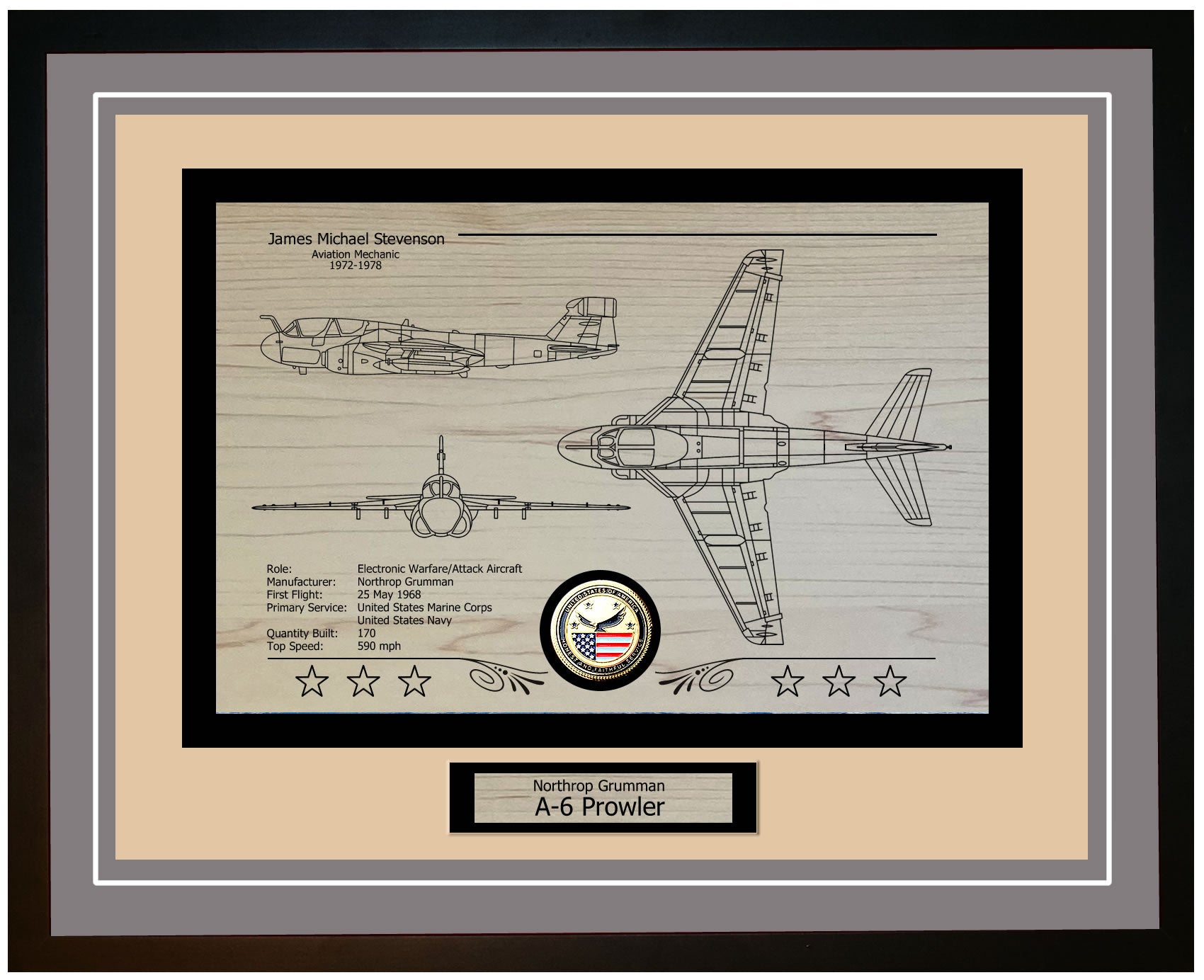
USS Arkansas CGN-41 Ship Specifications
| Specification | Details |
|---|---|
| Class | Virginia Class Guided Missile Cruiser (Nuclear) |
| Commissioned | October 18, 1980 |
| Displacement | 11,000 tons |
| Length | 585 feet |
| Beam | 63 feet |
| Draft | 31 feet |
| Speed | 30+ knots |
| Complement | 500 |