
USS Barry DDG-52
The USS Barry (DDG-52) is an Arleigh Burke-class guided missile destroyer in the United States Navy. Her journey began with the laying of her keel on February 26, 1990, at the Ingalls Shipbuilding shipyard in Pascagoula, Mississippi. She was launched on May 10, 1991, and officially commissioned on December 12, 1992. Built with cutting-edge materials and technology, the USS Barry is a state-of-the-art warship, ready for a variety of missions. Her design includes stealth features, advanced radar systems, and a robust weapons suite, making her a versatile and powerful asset in the Navy's fleet.
The USS Barry is named in honor of Commodore John Barry, a distinguished officer in the Continental Navy during the American Revolutionary War, often called the "Father of the American Navy." Barry's legacy is one of bravery and leadership, and the ship bearing his name continues to uphold these values. He commanded several ships, captured numerous enemy vessels, and played a crucial role in developing naval tactics and strategy. The ship's name is a constant reminder of the rich history and traditions of the United States Navy.
One of the standout features of the USS Barry is her Aegis Combat System, an advanced integrated naval weapons system. It uses powerful computers and radars to track and guide weapons to destroy enemy targets. The Aegis system allows the ship to engage multiple targets simultaneously, providing a significant tactical advantage. Additionally, she's equipped with the Vertical Launching System (VLS), capable of firing a variety of missiles, including Tomahawk cruise missiles, Standard surface-to-air missiles, and anti-submarine rockets. This versatility enables the USS Barry to perform a wide range of missions, from air defense and surface warfare to anti-submarine and strike operations.
The legacy of the USS Barry within the US Navy is marked by her numerous deployments and contributions to various operations worldwide. Since her commissioning, she's participated in multiple exercises and missions, showcasing her capabilities and readiness. The USS Barry has been involved in operations such as enforcing no-fly zones, conducting maritime security patrols, and providing humanitarian assistance. Her presence in key regions underscores the Navy's commitment to maintaining stability and security in international waters. Her performance and reliability have earned her a reputation as a dependable and effective asset in the Navy's arsenal.
The USS Barry belongs to the Arleigh Burke class of destroyers, among the most advanced and capable warships in the world. These destroyers are designed for multi-mission offensive and defensive capabilities, with an emphasis on versatility and survivability. They're equipped with advanced radar and sonar systems, electronic warfare capabilities, and a wide array of weapons. The primary purpose of the Arleigh Burke-class destroyers is to conduct a variety of operations, including air defense, surface warfare, anti-submarine warfare, and strike missions. The USS Barry, as a member of this class, embodies the cutting-edge technology and strategic flexibility that define these vessels.
The commissioning of the USS Barry on December 12, 1992, marked the beginning of her service life and integration into the US Navy's fleet. The commissioning ceremony is a significant event, symbolizing the ship's readiness for active duty and her role in the Navy's mission. During the ceremony, the ship's crew is formally assigned, and the ship is brought to life as a functioning warship. Since her commissioning, the USS Barry has continued to serve with distinction, participating in numerous operations and exercises, and contributing to the Navy's efforts to protect national interests and maintain global security. Her commissioning was a pivotal moment, setting the stage for her ongoing legacy of service and excellence.

USS Barry DDG-52: Structure, Technology, Armament, and Weaponry
The USS Barry (DDG-52) is an Arleigh Burke-class guided missile destroyer, a class known for its tough build and cutting-edge tech. The ship's hull is made from high-strength steel, ready to handle both peace and combat situations. Unlike some other ships, its superstructure is also steel, which adds to its durability. The Barry stretches 505 feet long and 66 feet wide, offering a solid base for its many systems. Its design includes stealth features like angled surfaces to help it stay hidden from enemy radar.
Tech-wise, the USS Barry is packed with the Aegis Combat System. This is a top-notch naval weapons system that uses powerful computers and radars to track and guide weapons to take down enemy targets. At the core of the Aegis system is the AN/SPY-1D radar, which can track hundreds of targets in the air and on the surface at the same time. The ship also has the Cooperative Engagement Capability (CEC), letting it share sensor data with other ships and aircraft. This creates a big, connected battle network, boosting the ship's awareness and combat power. It's a real powerhouse in the Navy's lineup.
When it comes to weapons, the USS Barry is loaded for all sorts of missions, from anti-aircraft and anti-submarine warfare to surface warfare and strike operations. It has a 5-inch/54 caliber Mark 45 gun for hitting surface targets and providing naval gunfire support. For defense against aircraft and missiles, it features a Vertical Launch System (VLS) that can hold a mix of Standard Missiles (SM-2, SM-3, and SM-6), Tomahawk cruise missiles, and Evolved Sea Sparrow Missiles (ESSM). The VLS allows for quick and flexible responses to threats, boosting the ship's defensive and offensive power.
The USS Barry's arsenal also includes advanced anti-submarine warfare (ASW) systems. It has two triple torpedo tubes for launching Mk 46 or Mk 54 torpedoes to take out underwater threats. Plus, it carries the AN/SQQ-89(V) sonar suite, which includes both hull-mounted and towed array sonar systems for spotting and tracking submarines. The ship's ASW capabilities get a further boost from its ability to operate MH-60R Seahawk helicopters, which can deploy sonobuoys, torpedoes, and other ASW sensors. This wide range of weapons and systems ensures the USS Barry is ready to tackle a variety of maritime threats, keeping it a versatile and powerful part of the U.S. Navy's fleet.

Crew Accounts of Time Aboard
The USS Barry (DDG-52) has left an indelible mark on the lives of its crew members, as evidenced by the numerous heartfelt guestbook entries. These memories span from the ship's commissioning days to more recent years, reflecting a wide range of experiences and emotions.
Early Years and Commissioning: Several crew members from the ship's early days, such as Steve Amaral (FCC(SW) Retired, 1991) and Shawn Anderson (RM3, 1991), fondly recall the camaraderie and the sense of being part of something historic. Amaral praised the pre-commissioning crew as the "best workcenter guys possible," while Anderson dubbed the ship the "Baddest dog in the fleet." The commissioning period was a time of great pride and hard work, with many crew members like Jerry Dederich (LT, 1989) and Jim Yee (LT, 1991) expressing their honor in being plankowners and part of the ship's initial crew.
Memorable Deployments and Experiences: The ship's deployments and daily operations provided a mix of challenges and rewarding experiences. Brian Altland (GM2 (SW), 1997) humorously noted that he managed almost seven years onboard without harming anyone, completing three deployments. Similarly, Dave Cook (MR2 (SW), 1998) described his tour as the most challenging yet rewarding of his career. The ship's ability to foster strong bonds among its crew is a recurring theme, with many expressing gratitude for the friendships formed and the lessons learned.
Leadership and Crew Dynamics: Leadership played a significant role in shaping the experiences of the crew. Russ Busby (CMDCM, 1998) praised the crew as the best the Navy had ever assembled, while Adam Belay (E5/QM, 2004) had a less favorable view of the upper chain of command but still appreciated his fellow enlisted crew members. Danielle Allred (ET3, 2005) echoed this sentiment, noting that while the enlisted crew got along well, issues arose when the upper chain of command was involved.
Personal Growth and Reflections: Many crew members reflected on their personal growth and the impact of their time on the USS Barry. Daniel Edwards (OS3, 1996) expressed a sense of nostalgia and a wish that he had stayed in the Navy. Aimee Dickson (SN, 1999) shared her mixed feelings about her short time on the ship, which ended due to injury, but she still misses it "like crazy." Others, like Beatrice Johnson (RM2, 1995), took pride in being part of the first crew of females to serve aboard an Arleigh Burke-class destroyer.
Post-Navy Life and Continued Connections: Life after the Navy has taken many former crew members in diverse directions, yet the memories of their time on the USS Barry remain vivid. For instance, Liz Lewetzki (FC2(SW), 2001) is now married and out of the Navy on disability, while Matt Euler (EW2, 1997) transitioned to a career as a designer/project manager for a hospital. Many former crew members, like Scott Morey (PNSR-PN2, 1991) and Miguel Ortiz-Berrios (E-3, 1991), have stayed connected through reunions and social media, cherishing the bonds formed during their service.
Challenges and Criticisms: Not all memories are positive, as some crew members faced significant challenges and frustrations. David Addair (DCFN, 2005) described his division as becoming "a bunch of whiney, back-stabbing homos," while Greg Russell (CSSN, 2006) criticized the ship's leadership and drill schedule. Despite these issues, many still found value in their experiences and the relationships they built.
Legacy and Pride: The legacy of the USS Barry is one of pride and accomplishment. Jim Stavridis (CDR, 1993), who later became a four-star Admiral, attributed much of his success to the hard work and dedication of the Barry's crew. The ship's achievements, such as winning the Battenburg Cup and multiple Golden and Silver Anchors, are a testament to the crew's excellence and dedication.
In summary, the memories shared by the USS Barry's crew members paint a rich and varied picture of life aboard the ship. From the early days of commissioning to the challenges of deployments and the bonds formed along the way, the USS Barry has left a lasting impact on all who served aboard her.

USS Barry DDG-52: Upgrades, Mission Capabilities, and Contribution to the Fleet
The USS Barry (DDG-52) has come a long way since it first joined the fleet in 1992. It's been upgraded over the years to stay sharp and ready for anything. One of the coolest upgrades is the Aegis Combat System. This system keeps getting better, boosting the ship's air and missile defense. With the SPY-1D radar, Barry can spot and track multiple targets at once, making it a tough nut to crack for any aerial threats. Plus, with the Cooperative Engagement Capability (CEC), it can share real-time data with other ships and aircraft, making the whole fleet smarter and more coordinated.
Barry's a real jack-of-all-trades when it comes to missions. As an Arleigh Burke-class destroyer, it's built to handle a mix of offensive and defensive tasks. Whether it's taking on aircraft, submarines, or surface ships, Barry's got it covered. It's packed with advanced weapons like the Mk 41 Vertical Launch System (VLS), which can fire off Standard Missiles, Tomahawk cruise missiles, and anti-submarine rockets. The Evolved Sea Sparrow Missile (ESSM) and SM-6 missile add even more punch against modern threats. With top-notch sonar and torpedoes, it's a nightmare for submarines, and its Harpoon missiles and naval guns make it a force on the surface too.
Barry's been a real asset to the fleet, showing off its adaptability and strategic value. It's taken part in big missions and exercises, proving it's always ready and capable. In the Pacific and European theaters, Barry's been crucial for ballistic missile defense (BMD), protecting against potential missile threats. It's also stepped up for humanitarian aid and disaster relief, showing it can switch from combat to support roles to help keep the world stable and secure. By joining international naval exercises, Barry's helped strengthen alliances and improve teamwork with allied navies.
All in all, the USS Barry (DDG-52) is a shining example of the strength and flexibility of Arleigh Burke-class destroyers. Its ongoing upgrades keep it at the cutting edge, ready to tackle the challenges of modern warfare. With its wide range of mission capabilities, Barry can handle all sorts of threats, and its contributions to the fleet highlight its crucial role in maintaining maritime security and projecting power worldwide. As Barry continues to evolve, it'll stay a key player in naval operations, embodying the resilience and innovation that define the US Navy.

USS Barry DDG-52: Deployments, Role in Major Conflicts, Awards, and Commendations
USS Barry (DDG-52) has been a key player in the U.S. Navy since it was commissioned in 1992. This ship has traveled the world, proving its versatility and readiness time and again. Early on, Barry sailed to the Mediterranean Sea for Operation Sharp Guard, enforcing UN sanctions against the former Yugoslavia. This mission showed the Navy's dedication to peacekeeping and maritime security. Barry often joins forces with allied navies, boosting teamwork and strengthening international ties.
When it comes to major conflicts, Barry has been right in the thick of things. In 2003, during Operation Iraqi Freedom, Barry was in the Persian Gulf, launching Tomahawk missiles at strategic targets in Iraq. This showcased the ship's advanced combat skills and its crucial role in modern warfare. More recently, Barry has been patrolling the waters off the Horn of Africa and the Arabian Sea, fighting piracy and terrorism. These missions are vital for keeping shipping lanes safe and stopping illegal activities in these risky areas.
Barry's outstanding service hasn't gone unnoticed. The ship has earned numerous awards, like the Navy Unit Commendation and the Meritorious Unit Commendation, recognizing its top-notch performance. Barry has also won the Battle "E" (Efficiency) Award multiple times, proving the crew's commitment to excellence. These honors highlight Barry's consistent ability to carry out its missions and its significant contributions to the Navy's goals.
Beyond formal awards, Barry has gained respect and admiration from peers and the broader naval community. The ship's involvement in humanitarian missions, like disaster relief after natural disasters, has solidified its reputation as a reliable asset. Whether it's supporting conflict zones or helping in humanitarian crises, Barry embodies the values and capabilities of the U.S. Navy. Its history of deployments, involvement in major conflicts, and numerous awards underscore its vital role in safeguarding national and international security.
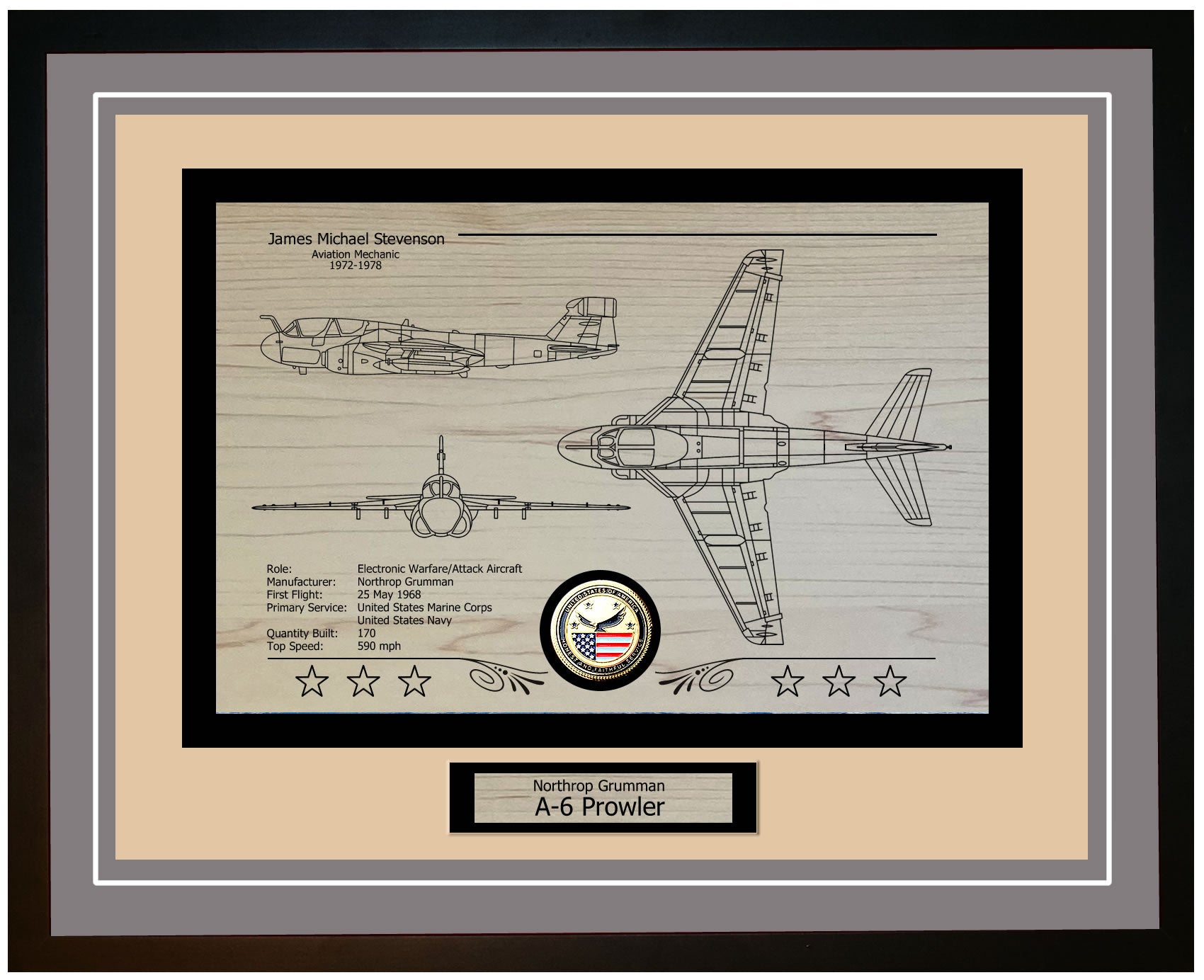
USS Barry DDG-52 Ship Specifications
| Specification | Details |
|---|---|
| Class | Arleigh Burke Class Guided Missile Destroyer |
| Commissioned | December 12, 1992 |
| Displacement | 8,373 tons |
| Length | 504.5 feet |
| Beam | 67 feet |
| Draft | 20 feet |
| Speed | 30+ knots |
| Complement | 370 |