
USS Black Hawk MHC-58
The USS Black Hawk (MHC-58) is a fascinating ship in the US Navy, built to be a minehunter. It was crafted by Intermarine USA, a company with a knack for making naval vessels. The keel was laid on June 15, 1992, and the ship launched on May 27, 1994. This ship was built with care, equipped with top-notch minehunting tech and a strong structure, making it a key player in naval missions.
The ship's name, Black Hawk, honors the famous Sauk leader from the Black Hawk War of 1832. Black Hawk, or Ma-ka-tai-me-she-kia-kiak, was a significant Native American figure, known for his leadership and fight against settlers encroaching on Native lands. Naming the ship after him is a tribute to his legacy and spirit of resilience.
One of the standout features of the USS Black Hawk is its fiberglass-sheathed wooden hull, which gives it a low magnetic signature—crucial for minehunting. It's packed with advanced sonar and mine neutralization gear, making it great at finding and dealing with underwater mines. Plus, it has a cutting-edge navigation system and communication tech for smooth mission coordination.
The USS Black Hawk has made a big impact on the US Navy with its mine countermeasure work. It's been vital in ensuring safe passage for naval and commercial ships by spotting and neutralizing mines in various waters. Its service has been key to keeping naval operations safe, especially in areas with high mine threats. The ship's success highlights the importance of minehunting in modern naval warfare.
Part of the Osprey-class of coastal minehunters, the USS Black Hawk is designed for mine countermeasure missions. These ships are known for their agility, advanced tech, and ability to work in shallow waters. The USS Black Hawk and its sister ships focus on detecting, classifying, and neutralizing mines, keeping naval and commercial vessels safe. Its design and capabilities make it a crucial part of the Navy's mine countermeasure strategy.
The USS Black Hawk was commissioned on September 11, 1999, marking its official start in active service. The commissioning ceremony was a big deal, attended by naval officials, dignitaries, and the crew. It symbolized the ship's readiness to take on minehunting missions and contribute to maritime safety and security. Since then, the USS Black Hawk has shown outstanding performance and dedication, earning its place in US Navy history.

USS Black Hawk MHC-58: Structure, Technology, Armament, and Weaponry
The USS Black Hawk (MHC-58) is a coastal minehunter with a unique design for navigating mine-laden waters. Its hull is made from non-magnetic materials, mainly fiberglass-reinforced plastic, to avoid triggering magnetic mines. This construction boosts the ship's stealth and ensures it can withstand tough maritime conditions. At about 188 feet long and 36 feet wide, it provides a stable platform for minehunting. With a shallow draft of 11 feet, the Black Hawk can operate near shorelines and in tight waters where mines are often found.
The Black Hawk is packed with advanced technology for detecting and neutralizing mines. It uses the AN/SQQ-32 Minehunting Sonar System to spot and classify underwater mines with precision. This is paired with the AN/SLQ-48 Mine Neutralization System, a remotely operated vehicle that identifies and neutralizes mines. Together, these systems make the Black Hawk highly effective at its main job: mine countermeasures. The ship also has top-notch navigation and communication systems, like GPS and secure satellite links, to coordinate smoothly with other naval forces.
When it comes to armament, the Black Hawk isn't heavily armed like some other naval ships. Its main mission is minehunting, not direct combat. However, it does have small arms and machine guns for self-defense. Typically, it carries M2 .50 caliber machine guns and M60 7.62mm machine guns, offering basic protection against small surface threats. These weapons are placed strategically to cover all angles, so the crew can handle threats from any direction. This focus on mine countermeasures over heavy weaponry highlights the Black Hawk's specialized role in naval operations.
The Black Hawk's defensive systems are designed to support its mission and keep the crew safe. Besides small arms, it has electronic warfare systems to detect and counter threats. These include radar and electronic countermeasures to disrupt enemy targeting and communications. With its advanced minehunting tech, sturdy design, and defensive armament, the Black Hawk is crucial for ensuring safe passage in mine-infested waters. Its capabilities show just how important specialized ships are in modern naval warfare, where mines remain a serious threat.

Crew Accounts of Time Aboard
The USS Black Hawk (MHC-58) holds a special place in the hearts of its former crew members, as evidenced by the numerous guestbook posts that reflect on their time aboard the ship. These memories span from the ship's commissioning to its decommissioning, capturing moments of camaraderie, challenges, and lifelong friendships.
James Adkins, who served as an ET1(SW/CC) in 1995 and was a plank owner, recalls a humorous incident involving the XO and a merchant ship. When the XO, standing as Officer of the Deck (OOD), inquired about the merchant ship's intentions concerning the Constant Bearing, Decreasing Range (CBDR) salutation, the merchant ship humorously replied that they intended to remain anchored right where they were.
Edward Bennet, an OS1/OSC in 1999, fondly remembers the good times he had on the Black Hawk and is reaching out to reconnect with former shipmates. Similarly, Todd Brown, who served as an MN2 in 1994, reminisces about the excellent crew and the fun they had during their voyage across the globe in 1997.
Joshua Byrnes, a YN2(SW) in 2000, shares his experience of being the only Yeoman onboard after his Leading Petty Officer (LPO) was discharged for drugs. Despite the challenges, he learned a lot and made lifelong friends. Jeremy Chambless, who served as an MNSA (E-2) in 2003, was discharged on hardship orders but cherishes the memories and the great people he met, including some of the Navy's finest officers and chiefs.
James German, an EM1(SW) in 1995 and part of the commissioning crew, highlights the ship's efficiency in getting the job done, despite difficulties in returning home. Carey Lester, an RM2 and plank owner in 1995, recalls the great memories from the pre-commissioning days and the lifelong friends he made. He was also able to attend the decommissioning ceremony with his family.
Jeremiah Papierowicz, a BM3 and plank owner in 1995, echoes similar sentiments about the fond memories and lasting friendships formed during his time on the Black Hawk. Michael Purvis, an OS2(SW) in 1995 and part of the commissioning crew, describes it as the best crew he ever served with and cherishes the unforgettable memories and friendships.
Cesar Rosales, who served as an SK2 in 1998, fondly remembers the good times with friends onboard and the memorable Mississippi River cruise in 2000. He proudly identifies as one of the "sandpebbles." James Schuette, an MN2(SW) in 2000, recalls the good times and invites former shipmates to reconnect and share stories.
Timothy Stangl, who served as an E3 in 1995, reflects on the great times and the wonderful people he met on the ship. James Whittemore, an IC2/1 in 1994 and a plank owner, humorously notes that he is still tired and beat down from his time on the Black Hawk but is glad to hear about the success of his former shipmates.
Finally, Shane Wilson, a QMC(SW/AW) in 1995, praises the Black Hawk's crew as the best he ever served with and fondly remembers the many good times. He also humorously mentions the need to train Bob Adkins on how to handle CBDR.
These shared memories paint a vivid picture of life aboard the USS Black Hawk (MHC-58), highlighting the strong bonds formed, the challenges faced, and the enduring sense of camaraderie among its crew members.

USS Black Hawk MHC-58: Upgrades, Mission Capabilities, and Contribution to the Fleet
The USS Black Hawk (MHC-58) has seen some impressive upgrades since it joined the fleet. These changes keep it sharp and ready for action. One big upgrade was its sonar system. This tech helps the ship find and identify underwater mines more accurately. The Black Hawk also got better navigation and communication tools. These improvements make it easier to work with other ships and command centers. Thanks to these updates, the Black Hawk stays at the cutting edge of mine warfare.
The Black Hawk is all about mine hunting and sweeping. It's got top-notch sonar and remotely operated vehicles (ROVs) to find and deal with mines in both deep and shallow waters. Its hull is made from non-magnetic materials, which helps avoid setting off magnetic mines. The ship can use different mine countermeasure systems, like mechanical, acoustic, and influence sweep systems. This flexibility makes it a key player in keeping sea lanes safe for everyone.
The Black Hawk does more than just mine countermeasures. It's been part of many joint exercises and operations with allied navies, boosting teamwork and international security. Its presence in key waterways helps keep navigation free and deters threats. The ship has also been crucial in humanitarian missions, clearing sea lanes of mines and hazards during disaster relief efforts. These varied roles show just how important the Black Hawk is to both the U.S. Navy and global maritime security.
In short, the USS Black Hawk (MHC-58) is a shining example of the U.S. Navy's mine countermeasures fleet. With ongoing upgrades and a wide range of missions, it stays relevant in a changing world. Its work in national and international security highlights the vital role of mine countermeasures ships today. As the Black Hawk continues its service, it stands as a testament to the power of innovation and teamwork in protecting our oceans.

USS Black Hawk MHC-58: Deployments, Role in Major Conflicts, Awards, and Commendations
USS Black Hawk (MHC-58) was a remarkable ship with a proud service record. Commissioned in the late 20th century, it was a key player in mine countermeasure operations. This role was crucial for keeping naval and commercial routes safe. The Black Hawk sailed to strategic spots like the Persian Gulf, the Mediterranean, and near the Korean Peninsula. It often supported larger naval missions, using its top-notch mine-hunting skills to great effect.
In major conflicts, the Black Hawk was a maritime security hero. During Operation Desert Storm in the early '90s, it cleared mines in the Persian Gulf, laid by Iraqi forces. This work was vital for protecting coalition ships and ensuring successful amphibious landings. In the early 2000s, during Operation Enduring Freedom, the Black Hawk operated in the Arabian Sea, helping secure sea routes from terrorist threats.
The ship's outstanding service didn't go unnoticed. It earned the Navy Unit Commendation for exceptional performance in high-pressure situations. The Black Hawk also received the Meritorious Unit Commendation multiple times, showcasing its consistent excellence in mine countermeasure missions. The Battle Efficiency "E" award was another feather in its cap, highlighting the crew's superior performance across naval operations.
Beyond unit awards, the crew members of the Black Hawk were recognized for their bravery and professionalism. Many received personal commendations, like the Navy and Marine Corps Achievement Medal and the Navy and Marine Corps Commendation Medal, for their exceptional contributions during deployments. These honors reflect the ship's legacy of excellence and the crew's unwavering dedication to maritime safety and security. The USS Black Hawk's history of deployments, conflict roles, and commendations highlights its vital role in the US Navy's mine countermeasure operations.
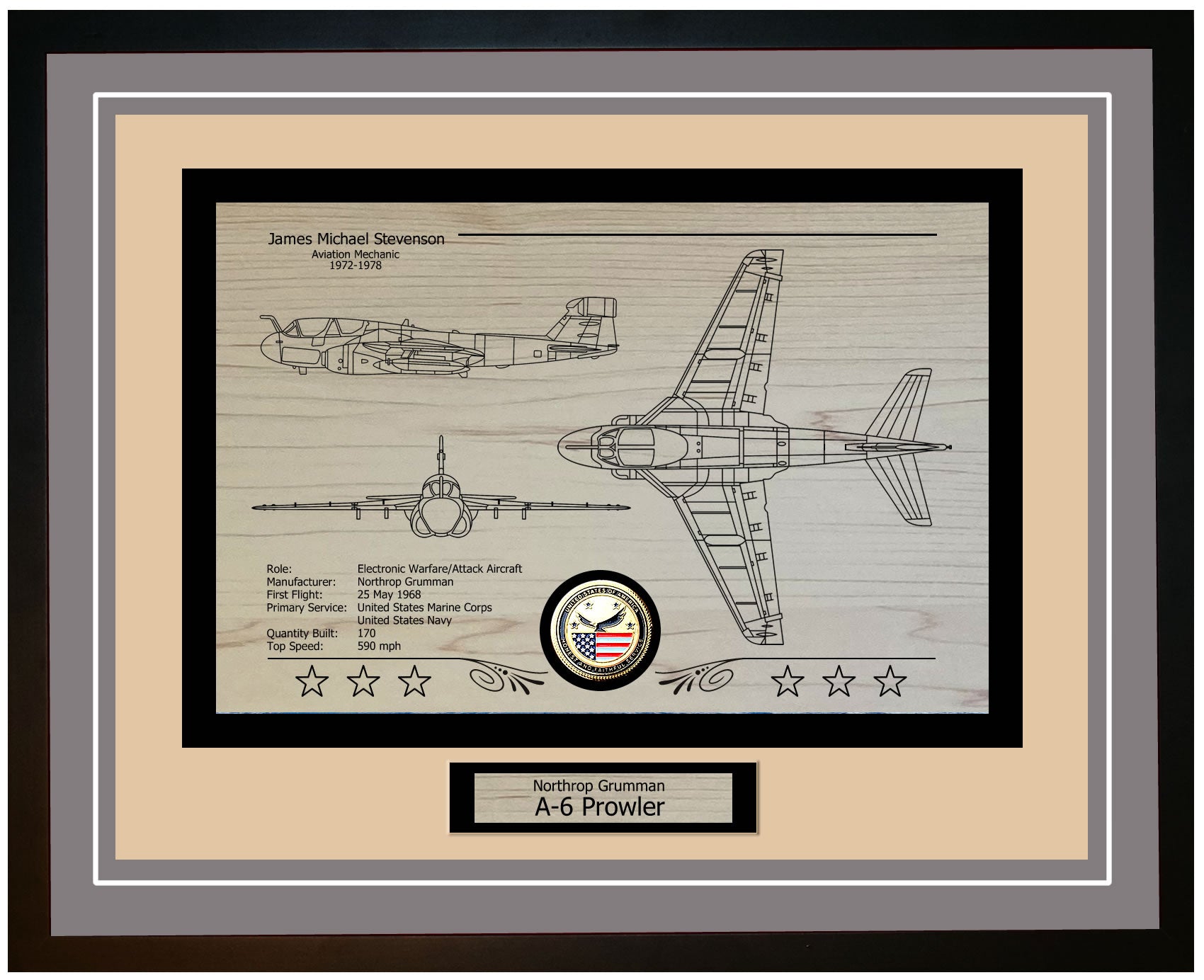
USS Black Hawk MHC-58 Ship Specifications
| Specification | Details |
|---|---|
| Class | Osprey Class Coastal Minehunter |
| Commissioned | May 11, 1996 |
| Displacement | 895 tons |
| Length | 188 feet |
| Beam | 36 feet |
| Draft | 9.4 feet |
| Speed | 12 knots |
| Complement | 53 |