
USS Bordelon DD-881
The USS Bordelon (DD-881) was a Gearing-class destroyer built for the U.S. Navy during the tail end of World War II. Her keel was laid down on July 12, 1944, at the Consolidated Steel Corporation shipyard in Orange, Texas. She was launched on December 3, 1944, and officially commissioned on June 5, 1945. These destroyers were part of a push to strengthen the fleet with versatile ships that could handle everything from anti-submarine warfare to surface combat and escort duties.
The ship was named after Staff Sergeant William James Bordelon, a U.S. Marine who received the Medal of Honor posthumously for his bravery during the Battle of Tarawa in World War II. Bordelon's courage and sacrifice were legendary, and naming the ship after him was a way to inspire the crew with his values of bravery and dedication.
The USS Bordelon was packed with impressive features for her time. She had six 5-inch/38 caliber guns, twelve 40mm anti-aircraft guns, and eleven 20mm anti-aircraft guns. She also carried ten 21-inch torpedo tubes and depth charge projectors, making her a tough adversary against both surface and underwater threats. The Gearing-class design boasted improved fuel capacity and range, allowing the Bordelon to take on long missions across the Pacific and Atlantic Oceans.
The Bordelon's legacy in the Navy is one of versatility and endurance. She took part in many operations, including the Korean War, the Cuban Missile Crisis, and the Vietnam War. She also participated in NATO exercises and goodwill visits, showcasing American naval strength and promoting international cooperation. Her ability to adapt to different combat scenarios and integrate new technologies highlighted the lasting value of the Gearing-class design.
As a Gearing-class destroyer, the USS Bordelon was part of a new wave of ships meant to replace the older Fletcher and Allen M. Sumner classes. These ships were designed to offer better anti-submarine and anti-aircraft capabilities and greater endurance for long missions. They were multi-role vessels, ready for anything from convoy escort and fleet defense to shore bombardment and search and rescue. The Bordelon lived up to these expectations throughout her distinguished career.
The commissioning of the USS Bordelon on June 5, 1945, kicked off a service life that spanned over three decades. Her initial shakedown cruise and training exercises got the crew ready for the challenges ahead. Although World War II ended before she saw combat, the Bordelon quickly became a key player in the post-war Navy, adapting to the changing geopolitical landscape and technological advances. The commissioning ceremony was a moment of pride and anticipation, setting the stage for the Bordelon's significant contributions to the U.S. Navy.

USS Bordelon DD-881: Structure, Technology, Armament, and Weaponry
The USS Bordelon (DD-881) was a Gearing-class destroyer, a class celebrated for its sturdy design and adaptability during the mid-20th century. This ship stretched 390 feet long and had a beam of 41 feet, making it a solid platform for various naval missions. Built with high-tensile steel, the hull was tough enough to handle combat's harsh demands. Its superstructure housed advanced radar and communication systems, ensuring the Bordelon could effectively coordinate with other ships and command units. Inside, multiple decks served different purposes, from crew quarters to operational command centers and storage for munitions and supplies.
Technologically, the USS Bordelon was ahead of its time. It boasted advanced radar and sonar systems, crucial for spotting enemy submarines and surface ships. The AN/SPS-6 air search radar and AN/SQS-4 sonar system were key assets that boosted the ship's situational awareness and combat readiness. Plus, it had electronic warfare capabilities, like jamming devices and decoys, to counter enemy radar and missile systems. These advancements allowed the Bordelon to operate effectively in various maritime environments, from the open ocean to coastal areas.
When it came to armament, the USS Bordelon was well-equipped for its role as a destroyer. Its primary weapons were six 5-inch/38 caliber dual-purpose guns, capable of engaging both surface and air targets. These guns were mounted in three twin turrets, offering a wide field of fire. The ship also had twelve 40mm Bofors anti-aircraft guns and eleven 20mm Oerlikon cannons, providing extra defense against aerial threats. This combination of weapons made the Bordelon a formidable opponent, ready to deliver substantial firepower against a variety of targets.
The ship's weaponry was further bolstered by its anti-submarine warfare (ASW) capabilities. The USS Bordelon was equipped with two depth charge racks and six K-gun depth charge projectors, essential for countering submarine threats. It also carried a Hedgehog anti-submarine mortar, a forward-throwing weapon that launched a pattern of explosive charges to increase the chances of hitting an enemy submarine. These ASW systems, along with the ship's sonar capabilities, made the Bordelon a critical asset in maintaining naval dominance and protecting allied fleets from underwater threats.

Crew Accounts of Time Aboard
The USS Bordelon (DD-881) guestbook posts provide a rich tapestry of memories from its crew members, spanning several decades of service. These recollections paint a vivid picture of life aboard the "Dirty B," as the ship was affectionately known, highlighting both the camaraderie and the challenges faced by its sailors.
1960s Memories: Jim Crowder, who served as a Signalman Second Class (SM2) in 1963, is eager to reconnect with shipmates from his era, including Ernest Colding, Bill Stroud, and Dean Clift. Jim DiPietro, a Yeoman Third Class (YN3) in 1969, reminisces about the "Apollo 13 rescue farce" and a memorable drag race involving Commander Dehart and an admiral. Joseph Basciani, an Operations Specialist Third Class (OS3) in 1969, transitioned to a successful career as a locomotive engineer after his naval service. Daniel Beck, an Electrician's Mate Second Class (EM2) in 1967, recalls the ship being in dry dock in Charleston, South Carolina, preparing for a trip to Southeast Asia and Vietnam.
1970s Adventures: Mark Milazzo, an Electrician's Mate Fourth Class (EM4) in 1974, fondly remembers the South American and Mediterranean cruises, including the rescue of the USS Belknap. Al Neely, who served as a Signalman Second Class (SM2) in 1971, mentions his involvement in Operation Linebacker II and UNITAS cruises, as well as working with CIA agents in South America. Robert Perry, a Boiler Technician Fireman (BTFN) in 1975, shares about a collision survivor dinner he attends with Henry Stokes. Jim Rudeseal, a Boiler Technician Second Class (BT2) in 1968, recalls voyages from the North Atlantic to Karachi, Pakistan.
Significant Events: Several crew members recount the collision with the USS John F. Kennedy (CV-67) on September 14, 1976. Jerry Goodwin, an Interior Communications Fireman (ICFN) in 1977, joined the ship in Spain during a Mediterranean cruise and was aboard during the collision. Dave Nelson, a Seaman (SN) in 1975, vividly remembers being the helmsman at the time of the collision. Ted Scott, a Storekeeper Seaman (SKSN) in 1976, describes the harrowing experience of seeing the underside of the Kennedy's flight deck. Lance Woodward, a Seaman in 1976, was seriously injured in the collision, which ended his Navy adventure.
Camaraderie and Daily Life: Many crew members reflect on the friendships and daily life aboard the USS Bordelon. Curtis Henderson, a Fire Control Technician Third Class (FTG3) in 1962, recalls the Cuban Missile Crisis and the 2:00 a.m. alarm that was "no drill." George Kelly, a Ship's Serviceman Third Class (SH3) in 1955, enjoyed his time on the ship so much that the XO had to make him put in a chit to transfer off. Richard Knowles, an E3 in 1971, is looking to reconnect with shipmates from his time on board.
Memorable Cruises and Operations: The ship's various cruises and operations are frequently mentioned. Charles Betz, an E3 in 1960, joined the ship in Naples, Italy, and participated in the Med cruise and the rocket recovery program. Steve Bowman, a Signalman Third Class (SM3) in 1971, recalls the UNITAS cruise around South America and the long transit to Subic Bay in 1972. Cal Casey, a Fireman First Class (F1C) in 1945, was part of the shakedown cruise through the Panama Canal and experienced a typhoon on the way to Yokosuka, Japan.
Career Reflections: Several crew members reflect on how their time on the USS Bordelon influenced their careers. Cuyler Heath, a Damage Controlman (DC) in 1969, began his 30-year naval career on the Bordelon. Cal Weaver, a Radioman Second Class (RM2) in 1967, fondly remembers the ship as his first in a long naval career.
Special Operations and Missions: Al Neely, who served as a Signalman Second Class (SM2) in 1971, mentions his involvement in Operation Linebacker II and UNITAS cruises, as well as working with CIA agents in South America.
Personal Connections and Reunions: Many crew members express a desire to reconnect with old shipmates. Jim Crowder is looking for fellow signalmen from 1963-1968. Terry Henson, a Seaman in 1967, is seeking to get in touch with anyone who served during his time.
These memories collectively highlight the USS Bordelon's storied history, the strong bonds formed among its crew, and the significant events that shaped their naval experiences.

USS Bordelon DD-881: Upgrades, Mission Capabilities, and Contribution to the Fleet
The USS Bordelon (DD-881) was a Gearing-class destroyer that saw some impressive upgrades during its time with the U.S. Navy. Commissioned in 1945, it was part of the post-World War II fleet. One of the biggest changes came during the Fleet Rehabilitation and Modernization (FRAM) program in the early 1960s. This overhaul included new radar and sonar systems, better anti-submarine warfare (ASW) capabilities, and the addition of the ASROC (Anti-Submarine Rocket) launcher. These updates kept the USS Bordelon relevant and ready for the challenges of the Cold War.
But it wasn't just about ASW. The ship also got a boost in its surface-to-air defenses. The RIM-24 Tartar missile system was added, giving it a strong air defense against enemy aircraft and missiles. Its electronic warfare systems were also upgraded, making it better at detecting and dodging threats. These changes meant the USS Bordelon could handle a wide range of missions, from convoy escort and fleet defense to anti-submarine operations and shore bombardment.
The USS Bordelon was a versatile ship, playing a key role in several important events. During the Cuban Missile Crisis in 1962, it helped enforce the naval blockade. In the Vietnam War, it provided gunfire support, conducted search and rescue missions, and took part in anti-submarine patrols. Its ability to adapt to different situations made it a valuable part of the fleet and crucial for maintaining maritime security.
Beyond combat, the USS Bordelon was a training ground for future naval officers and sailors. It participated in many NATO exercises and joint operations with allied navies, promoting international cooperation. The ship's history is a testament to the resilience and adaptability of the Gearing-class destroyers. The USS Bordelon not only met the challenges of its time but also set the stage for future naval advancements, leaving a lasting impact on the U.S. Navy.

USS Bordelon DD-881: Deployments, Role in Major Conflicts, Awards, and Commendations
The USS Bordelon (DD-881) was a Gearing-class destroyer with a rich history of service. She was commissioned in 1945, just as World War II was winding down. Though she didn't see combat in that war, she quickly became a key player in the U.S. Navy's post-war activities. In the late 1940s and 1950s, Bordelon was often found in the Mediterranean Sea with the Sixth Fleet. Her presence there was crucial during the early Cold War years, helping to show American strength and support NATO allies in a tense geopolitical climate.
When the Korean War broke out, Bordelon was sent to the waters off Korea. There, she provided essential naval gunfire support for United Nations forces. Her duties included shore bombardments, anti-submarine warfare, and protecting aircraft carriers. The ship's actions were vital in several important battles, and her crew earned praise for their bravery and skill. Bordelon's adaptability and firepower made her a key asset in the U.S. Navy's efforts against North Korean and Chinese forces, highlighting her role in Cold War military strategy.
During the Vietnam War, Bordelon was active in the Gulf of Tonkin. She took part in Operation Sea Dragon, targeting North Vietnamese supply lines along the coast. The destroyer carried out many shore bombardments and provided gunfire support for troops on the ground. She also participated in search and rescue missions, helping downed pilots and assisting other naval ships. Her service in Vietnam further cemented her reputation as a dependable and effective warship, capable of handling a variety of combat and support tasks.
Throughout her career, the USS Bordelon received numerous awards and commendations, a testament to her outstanding performance and the dedication of her crew. She earned several Battle Stars for her service in Korea and Vietnam, as well as the Navy Unit Commendation for her conduct during specific operations. The ship also received the Armed Forces Expeditionary Medal for her role in various Cold War missions. These honors highlight Bordelon's significant contributions to U.S. naval operations and the skill and bravery of the men who served aboard her. The legacy of the USS Bordelon (DD-881) is one of steadfast service, marked by her unwavering commitment to duty and her pivotal role in some of the most critical conflicts of the 20th century.
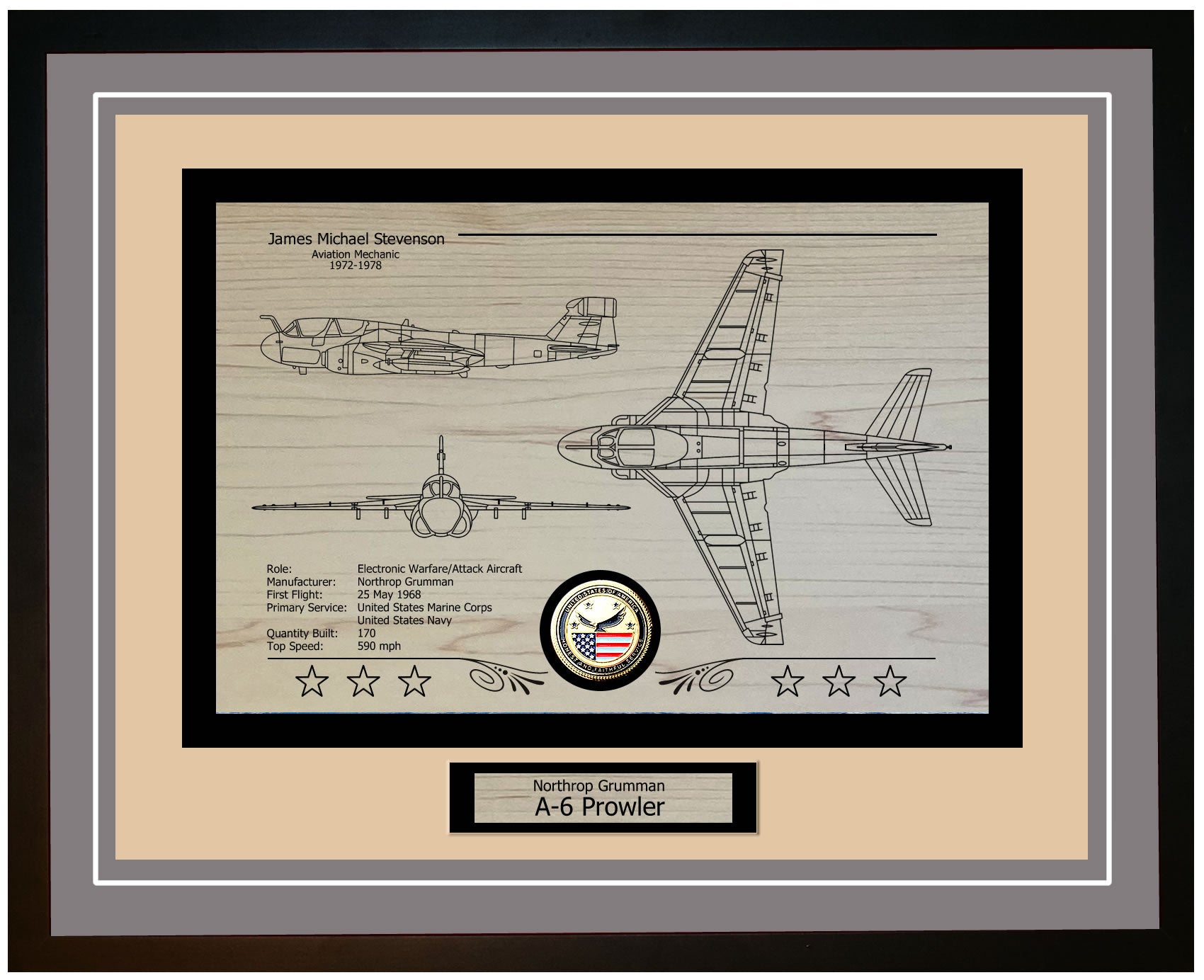
USS Bordelon DD-881 Ship Specifications
| Specification | Details |
|---|---|
| Class | Gearing Class Destroyer |
| Commissioned | June 5, 1945 |
| Displacement | 3,460 tons |
| Length | 391 feet |
| Beam | 41 feet |
| Draft | 14.3 feet |
| Speed | 37 knots |
| Complement | 11 Officers 325 Enlisted |