
USS Bowie APA-137
The USS Bowie (APA-137) was a Haskell-class attack transport built during World War II. Constructed by the California Shipbuilding Corporation in Wilmington, Los Angeles, it was part of the Maritime Commission's Emergency Shipbuilding Program. Laid down on August 30, 1944, and launched on November 12, 1944, the USS Bowie was one of many ships quickly produced to meet the U.S. Navy's urgent needs during the war. It was officially commissioned on January 23, 1945, with Captain John J. Mockrish in command, ready to serve in the Pacific Theater.
The ship was named after Bowie County in Texas, a place with a rich history and strong community spirit. The county itself was named for James Bowie, a 19th-century American pioneer and soldier who played a key role in the Texas Revolution. This namesake was chosen to reflect the bravery and pioneering spirit the U.S. Navy hoped to embody. The USS Bowie carried this legacy with pride, serving as a testament to the valor and resilience of both its namesake and the men who served aboard her.
The USS Bowie had some standout features. As a Haskell-class attack transport, it was designed to carry troops, equipment, and landing craft needed for amphibious assaults. The ship measured 455 feet in length, had a beam of 62 feet, and could reach speeds of up to 19 knots. Armed with anti-aircraft guns, it was a formidable presence in the Pacific Theater. The ship could transport up to 1,500 troops and their equipment, making it a crucial asset for large-scale amphibious operations.
The legacy of the USS Bowie in the U.S. Navy is marked by its contributions to several key operations during World War II. It played a vital role in transporting and deploying troops in the Pacific, participating in operations that were essential to the Allied victory. The USS Bowie exemplified the effectiveness of the Haskell-class design, which became a standard for attack transports during the war. Its service demonstrated the importance of rapid, efficient troop and equipment movement in modern naval warfare, influencing future naval strategies and ship designs.
The Haskell-class, to which the USS Bowie belonged, was a subclass of the Victory ship design, specifically adapted for amphibious assault operations. These ships were designed to be fast, durable, and capable of carrying large numbers of troops and equipment. The primary purpose of the Haskell-class attack transports was to support amphibious invasions by delivering troops and their equipment directly to the battlefield. This capability was crucial during World War II, as the U.S. Navy conducted numerous amphibious operations across the Pacific.
Commissioning the USS Bowie marked the start of its active service in the U.S. Navy. The ship's commissioning ceremony was a significant event, symbolizing the readiness of the vessel and its crew to join the fight against the Axis powers. Once commissioned, the USS Bowie underwent a series of shakedown cruises and training exercises to prepare for its operational duties. The crew, composed of both seasoned sailors and new recruits, quickly adapted to their roles, ensuring that the USS Bowie was ready to fulfill its mission of supporting amphibious operations and contributing to the Allied war effort.

USS Bowie APA-137: Structure, Technology, Armament, and Weaponry
The USS Bowie (APA-137) was a Haskell-class attack transport, a ship built to carry troops and their gear to enemy shores during amphibious operations. These ships were based on the VC2-S-AP5 Victory ship design, making them strong and adaptable. The USS Bowie was 455 feet long, with a beam of 62 feet and a draft of 24 feet. It could carry about 1,500 troops along with its crew. Its structure was tough enough to handle combat and rough seas, ensuring it could safely deliver its human and material cargo to the front lines.
The USS Bowie boasted cutting-edge navigation and communication systems for its time. It had radar and sonar to spot enemy ships and submarines, boosting its effectiveness and chances of survival. The communication systems helped it coordinate with other ships and landing forces, making operations smooth and efficient. Its propulsion system featured a single Westinghouse geared turbine, delivering 8,500 shaft horsepower, allowing the ship to reach speeds of up to 17 knots. This speed was crucial for moving in combat zones and dodging threats.
For defense, the USS Bowie was well-armed. It had a 5-inch/38 caliber dual-purpose gun on the stern, capable of targeting both surface and air threats. It also had anti-aircraft weapons like twin 40mm Bofors guns and single 20mm Oerlikon cannons. These weapons provided strong protection against enemy aircraft, a major threat during landings. This mix of armaments ensured the USS Bowie could defend itself and its valuable cargo from aerial and surface dangers.
The USS Bowie carried various landing craft, vital for its mission of getting troops and equipment ashore. These included LCVPs, known as Higgins boats, and LCMs. The ship's well deck and davits were designed to launch and recover these craft efficiently, even in combat. Quickly and effectively deploying these craft was key to successful amphibious operations, allowing for fast and coordinated landings. With its strong build, advanced tech, powerful armament, and versatile landing craft, the USS Bowie was a crucial part of the US Navy's amphibious warfare during World War II.

Crew Accounts of Time Aboard
The USS Bowie (APA-137) holds a special place in the hearts of its former crew members, as evidenced by the heartfelt memories shared in its guestbook. These recollections paint a vivid picture of life aboard the ship during its active years, particularly during World War II.
One poignant memory comes from the family of Alton Ball, who served aboard the USS Bowie in 1944 as a Machinist's Mate Third Class (MM3). Although Alton has since passed away, his pride in his service remains a significant part of his legacy. His family cherishes a photograph taken in Honolulu, capturing a moment of camaraderie between Alton and his fellow sailor, Donald 'Ted' Woodrum, affectionately known as the "Cowpoke of Nebraska." This snapshot not only immortalizes their friendship but also serves as a testament to the bonds formed during their time on the USS Bowie.
These shared memories highlight the deep connections and enduring pride felt by those who served on the USS Bowie. The ship was more than just a vessel; it was a community where sailors forged lifelong friendships and created lasting memories. The guestbook entries serve as a valuable repository of these personal histories, ensuring that the legacy of the USS Bowie and its crew continues to be remembered and honored.

USS Bowie APA-137: Upgrades, Mission Capabilities, and Contribution to the Fleet
The USS Bowie (APA-137) was a remarkable ship with a rich history. Commissioned in 1944 as a Haskell-class attack transport, it was built to be a powerhouse of its time. The ship boasted cutting-edge navigation and communication systems. Over the years, it got even better with upgrades like advanced radar, improved anti-aircraft guns, and enhanced propulsion. These changes kept the Bowie relevant and ready for any mission thrown its way.
The Bowie's main job was to transport troops and equipment to combat zones, and it did this with flying colors during World War II. It could carry a lot of troops, vehicles, and supplies, making it a key player in amphibious assaults. The ship had landing craft that could quickly get troops and gear to shore, even when things got dicey. This was crucial in the Pacific Theater, where the Bowie was part of major operations like the Battle of Okinawa.
But the Bowie wasn't just about combat. After the war, it took part in Operation Magic Carpet, helping bring American servicemen back home from the Pacific. The ship showed its versatility by taking on peacetime roles, like disaster relief and support missions. It could switch from a combat-ready transport to a vessel delivering humanitarian aid, proving its worth in many different situations.
The USS Bowie's legacy is one of strength and adaptability. As a Haskell-class attack transport, it was a vital part of America's strategy to project military power worldwide. Its ability to efficiently deliver troops and equipment made it a cornerstone of amphibious operations. The Bowie's flexibility in both war and peace highlighted its value as a reliable asset. Its service record is a testament to the U.S. Navy's ingenuity and resilience, reflecting the need for a capable and flexible maritime force.

USS Bowie APA-137: Deployments, Role in Major Conflicts, Awards, and Commendations
USS Bowie (APA-137) was a Haskell-class attack transport that served the United States Navy during the final months of World War II. Commissioned in 1945, she was part of the Pacific Theater, tasked with transporting troops and equipment to key locations. One of her notable missions was to Okinawa, supporting the last stages of the island-hopping campaign that brought Allied forces closer to Japan. Her ability to quickly disembark troops and supplies was vital in keeping the momentum of the Allied advance.
After World War II, USS Bowie played a crucial role in Operation Magic Carpet, the massive effort to bring American servicemen home from the Pacific. She made several voyages between Pacific islands and the United States, safely returning thousands of soldiers. This operation showcased the ship's versatility and the crew's dedication, as they worked tirelessly to ensure their fellow countrymen's safe return.
Throughout her service, USS Bowie earned several awards, highlighting her contributions to the Navy's mission. She was awarded the Asiatic-Pacific Campaign Medal for her role in Pacific operations and the World War II Victory Medal, recognizing her part in the war's successful conclusion. These honors reflect the ship's operational excellence and the bravery of her crew, who faced numerous challenges during their deployments.
The legacy of USS Bowie (APA-137) is one of steadfast service and significant contributions to major military operations. Her deployments during World War II and the subsequent repatriation efforts underscored her importance in naval warfare and post-war recovery. The awards and commendations she received serve as enduring reminders of her impact and the dedication of those who served aboard her. As a vessel that played a crucial role in some of the most pivotal moments of the 20th century, USS Bowie remains a proud chapter in the history of the United States Navy.
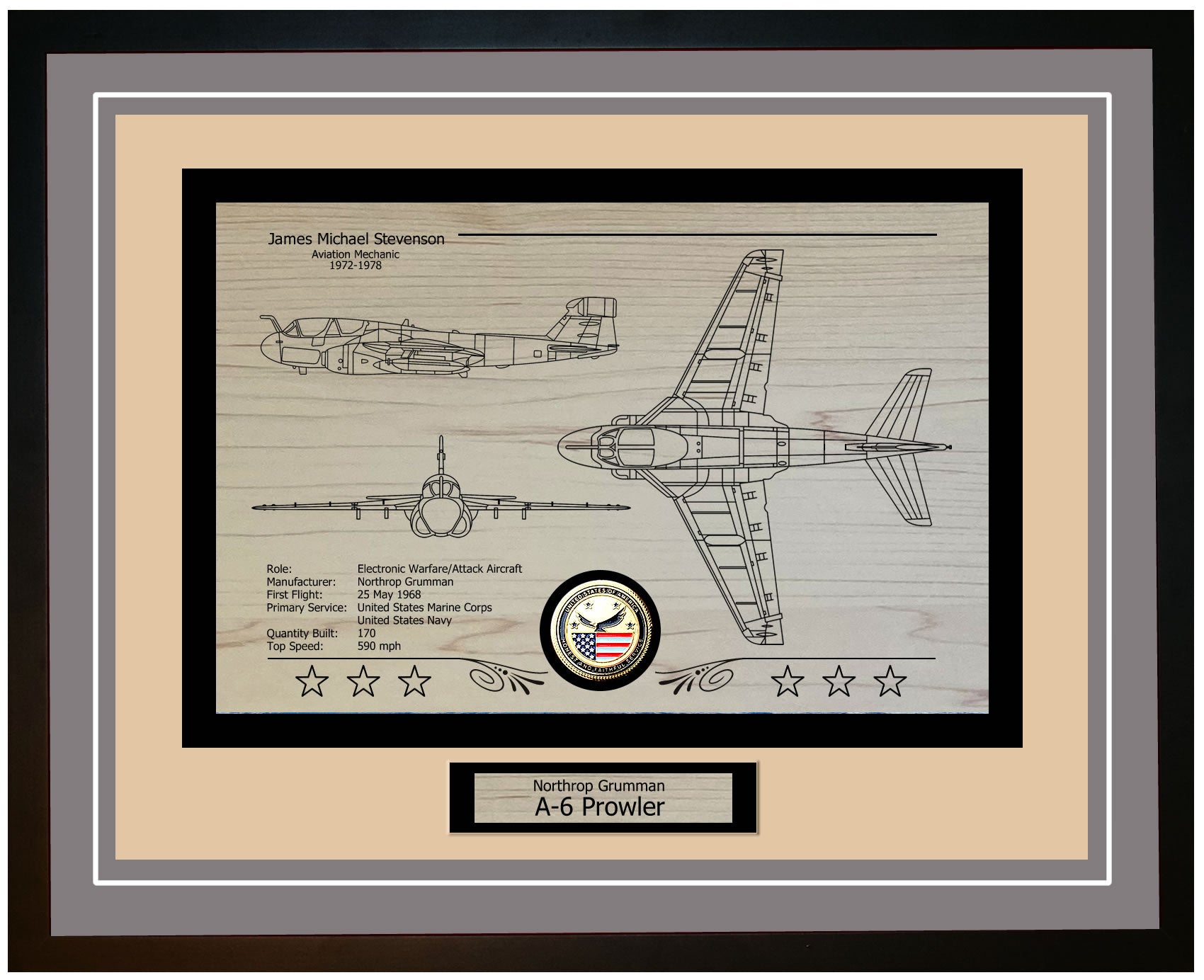
USS Bowie APA-137 Ship Specifications
| Specification | Details |
|---|---|
| Class | Haskell Class Attack Transport |
| Commissioned | December 23, 1944 |
| Displacement | 14,837 tons |
| Length | 455 feet |
| Beam | 62 feet |
| Draft | 24 feet |
| Speed | 17.7 knots |
| Complement | 56 Officers 480 Enlisted |