
USS Bronstein FF-1037
The USS Bronstein (FF-1037) was a standout ship in the U.S. Navy, built with care and purpose. It all started on May 16, 1961, at Avondale Shipyards in Westwego, Louisiana. This place was known for its skill in crafting naval ships, so you can bet the Bronstein was top-notch. She hit the water on December 31, 1962, and officially joined the fleet on June 15, 1963. Her construction was a big leap forward in naval tech and design, meeting the Navy's needs during the Cold War.
Named after Ben Richard Bronstein, a brave naval officer from World War II, the ship carried a legacy of courage. Lieutenant Bronstein served as a medical officer on the USS Jacob Jones (DD-130) and lost his life when a German U-boat torpedoed the ship on February 28, 1942. Naming the ship after him was a way to honor his bravery and keep his memory alive for future sailors.
The Bronstein was special because of her cutting-edge design as a frigate, built for anti-submarine warfare (ASW). She had advanced sonar systems like the SQS-26 and SQS-35, which helped her detect and track submarines with precision. Armed with ASROC launchers and torpedo tubes, she was a tough opponent for underwater threats. Plus, she had a helicopter deck for the DASH system, boosting her ASW capabilities even more.
The Bronstein's legacy in the Navy is all about her impact on naval tactics and tech. As the first of her class, she set the bar for others to follow. During the Cold War, she played a key role in keeping the seas safe and deterring threats. Her service record is full of deployments and exercises that showed off her ASW skills and more. Her influence is still seen in the evolution of frigate design, with many of her features inspiring later ships.
The Bronstein was part of the Bronstein-class frigates, designed specifically for ASW. This class was a step up from older destroyer escorts, with more advanced tech and a focus on ASW. Their main job was to protect carrier groups and convoys from subs, a big deal during the Cold War with the Soviet sub threat. These ships were smaller and more agile than destroyers, making them effective in different maritime settings.
When the Bronstein was commissioned on June 15, 1963, it was a big day. Naval officials, dignitaries, and the crew were all there. It was a sign that the Bronstein was ready to protect U.S. maritime interests. Throughout her service, she did just that, taking part in many operations and exercises that highlighted her and her crew's skills. Her commissioning wasn't just the start of her service; it was the beginning of a legacy that would shape naval strategy and ship design for years.

USS Bronstein FF-1037: Structure, Technology, Armament, and Weaponry
The USS Bronstein (FF-1037) was a trailblazer in the U.S. Navy, marking a big step forward in naval design and engineering. As the lead ship of the Bronstein-class frigates, she was built with a keen focus on anti-submarine warfare (ASW). Her sleek, elongated hull was crafted to boost speed and maneuverability in all sorts of sea conditions. Made from high-strength steel, the hull was tough and could withstand the harsh marine environment. The superstructure was cleverly designed to minimize radar cross-section, a forward-thinking feature aimed at reducing the ship's visibility to enemy radar.
Technology-wise, the USS Bronstein was ahead of its time. She boasted the SQS-26 sonar system, a powerful tool for spotting and tracking submarines. This was paired with the SQR-18 towed array sonar, which extended her detection range and accuracy. Together, these systems made the Bronstein excel in her primary ASW role. She also had the Mk 114 fire control system, which provided precise targeting for her weapons. These technologies combined to make the USS Bronstein a formidable force in underwater warfare.
When it came to armament, the USS Bronstein was ready for a variety of threats. Her main ASW weapon was the RUR-5 ASROC (Anti-Submarine Rocket), capable of delivering a torpedo or depth charge to distant underwater targets. This was crucial for engaging enemy submarines from a safe distance. She also had Mk 32 torpedo tubes for launching Mk 46 torpedoes, boosting her ASW capabilities. For surface threats, she was armed with a 5-inch/38 caliber gun, a versatile weapon effective against both ships and aircraft, mounted on the forward deck for a clear line of fire.
The USS Bronstein's weaponry was rounded out with anti-aircraft defenses. She was equipped with two 3-inch/50 caliber guns, mainly for air defense but also capable against surface targets. These guns were controlled by the Mk 56 gun fire control system, enhancing their accuracy. Additionally, she had chaff and flare dispensers to counter incoming missiles, adding an extra layer of defense. This mix of weapons and defensive systems ensured the USS Bronstein could protect herself and her fleet from a wide range of threats, making her a versatile and valuable asset to the U.S. Navy.

Crew Accounts of Time Aboard
The USS Bronstein (FF-1037) holds a treasure trove of memories for its former crew members, spanning decades of service and numerous deployments. The ship's guestbook is filled with recollections that paint a vivid picture of life aboard this vessel, from the camaraderie and hard work to the adventures and challenges faced at sea.
**Early Years and Vietnam Era:** Ronald Baker recalls joining the ship in 1968 while it was in the Long Beach Shipyards, participating in multiple WestPac deployments, and attending ASW school. Elieser Bolosan, who served as a stewardsman, fondly remembers his memorable WestPac in 1969. Frank Daugherty and James Dunnam, both aboard in 1967, reminisce about their time as electricians and the friendships they formed. Dennis Seiler recounts the excitement and close calls during the ship's WestPac cruises in 1967 and 1969, including the Taiwan Patrol and the tragic Evans incident.
**1970s:** The 1970s were marked by significant events and transitions. Dale Agnew highlights the ship's reclassification from DE to FF during Rimpac 75 and the evacuation of Vietnam. Daniel Gomoll and Rick Eyre both recall the ship's involvement in the Vietnam evacuation and the Mayaguez incident. Clifford Reed and Howard Temple share their experiences of WestPac cruises and the various ports they visited, while Skip Johnson and Robert Wilson reflect on the ship's operations off the Vietnam coast.
**1980s:** The 1980s brought a mix of hard work and memorable adventures. John Mulvihill describes bailing water from berthing and the antics of Hayawatha. Mike Davis and Rob Edwards emphasize the camaraderie and the balance of hard work and play during their WestPac cruises. Richard Clark and Kenneth Evans recall the constant sea time and the unforgettable Shellback initiation. Brad Nelson and Randy Martin highlight the strong bonds formed with their shipmates and the lasting friendships that endure to this day.
**Late 1980s and Decommissioning:** As the ship approached its decommissioning, crew members like Bob Ciereck and Ernest Hafner reflect on the final Caribbean cruise and the bittersweet memories of their time aboard. Richard Jorgensen and Harry Willis express their pride in serving on the Bronstein and the impact it had on their lives. Paul Munoz and Michael Shaw share their longing for a reunion to relive the old days and reconnect with former shipmates.
**Memorable Moments and Personal Reflections:** Throughout the guestbook, there are numerous mentions of specific events and personal anecdotes. Steve Jensen recalls the Shellback ceremony and the camaraderie it fostered. Marty Corley and Sal Palazzola reminisce about the loud fireroom and the unforgettable experiences in various ports. Chris Hansen humorously notes the ship's reputation as a "barf wagon" in rough seas, while Gabriel Herman takes pride in serving as Master Helmsman and Radioman.
**Legacy and Lasting Impact:** The USS Bronstein's legacy is evident in the heartfelt messages left by its former crew members. From the early days of its commissioning to its final decommissioning, the ship served as a home and a source of pride for those who served on it. The guestbook entries reflect a deep sense of camaraderie, adventure, and personal growth, with many crew members expressing a desire to reconnect and share their memories.
In summary, the USS Bronstein (FF-1037) holds a special place in the hearts of its former crew members. Their shared experiences, from the challenges of deployments to the joys of liberty, have left an indelible mark on their lives. The guestbook serves as a testament to the enduring bonds formed aboard this venerable vessel and the lasting impact it had on all who served on it.
USS Bronstein FF-1037: Upgrades, Mission Capabilities, and Contribution to the Fleet
The USS Bronstein (FF-1037) was a remarkable ship in the U.S. Navy, always evolving to meet new challenges. Commissioned in 1963, it was a Bronstein-class frigate, built with cutting-edge sonar and anti-submarine warfare (ASW) capabilities. In the 1970s, the Bronstein underwent significant upgrades. These included enhanced radar systems, improved electronic warfare suites, and the installation of the AN/SQS-26 sonar system, which really boosted its ASW capabilities. The ship's propulsion systems were also overhauled, making it more efficient and reliable for the demands of naval warfare.
The Bronstein was a versatile ship, reflecting the dynamic nature of naval operations during the Cold War. Primarily an ASW platform, it was equipped with torpedoes, depth charges, and the RUR-5 ASROC (Anti-Submarine Rocket) system, allowing it to effectively detect and engage enemy submarines. It also had a flight deck and hangar for the DASH (Drone Anti-Submarine Helicopter), extending its ASW reach. Beyond ASW, the Bronstein could perform surface warfare and limited air defense missions, thanks to its 5-inch/38 caliber gun and various anti-aircraft weapons. This versatility meant the Bronstein could handle a wide range of missions, from convoy escort duties to independent patrols in contested waters.
The USS Bronstein made significant contributions to the fleet, especially in ASW operations. During the Cold War, Soviet submarines were a major concern for the U.S. Navy. The Bronstein's advanced sonar systems and ASW weaponry made it a critical asset in countering this threat. It participated in numerous exercises and operations to refine the Navy's ASW tactics and strategies, often working alongside other surface ships, submarines, and aircraft. The Bronstein's presence in key maritime regions, like the North Atlantic and the Mediterranean, helped maintain the balance of power and deter potential adversaries.
Beyond its operational role, the USS Bronstein was key in fostering international cooperation and goodwill. It frequently participated in joint exercises with allied navies, enhancing interoperability and strengthening partnerships. These engagements improved the tactical proficiency of all involved and underscored the United States' commitment to collective security. The Bronstein's visits to various ports worldwide showcased American naval power and diplomacy, demonstrating the Navy's ability to project force and support global stability. Through its upgrades, mission capabilities, and steadfast service, the USS Bronstein (FF-1037) left a lasting legacy in the U.S. Navy's history of maritime excellence.

USS Bronstein FF-1037: Deployments, Role in Major Conflicts, Awards, and Commendations
The USS Bronstein (FF-1037) was a remarkable ship with a service record that truly stands out. Commissioned in 1963, she was a part of the Pacific Fleet, taking on a variety of missions. From anti-submarine warfare (ASW) to search and rescue, Bronstein was always ready for action. Her journeys often took her to the Western Pacific and the Indian Ocean, where she joined forces with allied navies. These missions weren't just about showing off the ship's capabilities; they were about building strong ties with other nations and keeping the seas safe.
During her time in service, Bronstein made a big impact in the Vietnam War. She was deployed to the Gulf of Tonkin, where her ASW support and naval gunfire missions were crucial. With advanced sonar systems, Bronstein was a key player in tracking enemy submarines, protecting carrier strike groups and other important assets. Her presence was a strong deterrent against North Vietnamese naval operations, playing a vital role in the U.S.'s strategic goals during the war.
Bronstein's hard work didn't go unnoticed. She earned several awards, like the Navy Unit Commendation and the Meritorious Unit Commendation, for her exceptional service in combat. She also snagged multiple Battle Efficiency "E" awards, a nod to her top-notch combat readiness and operational skills. These honors speak volumes about Bronstein's contributions to the Navy and her lasting legacy of excellence.
But it wasn't all about combat. Bronstein also shone in humanitarian missions, stepping up to help communities hit by natural disasters. These efforts showed just how versatile she and her crew were, seamlessly shifting from combat to humanitarian roles. This adaptability highlighted Bronstein's value as a multi-mission platform, crucial to the Navy's strategic goals. The legacy of the USS Bronstein (FF-1037) is one of dedication, excellence, and a commitment to serving both the nation and the world.
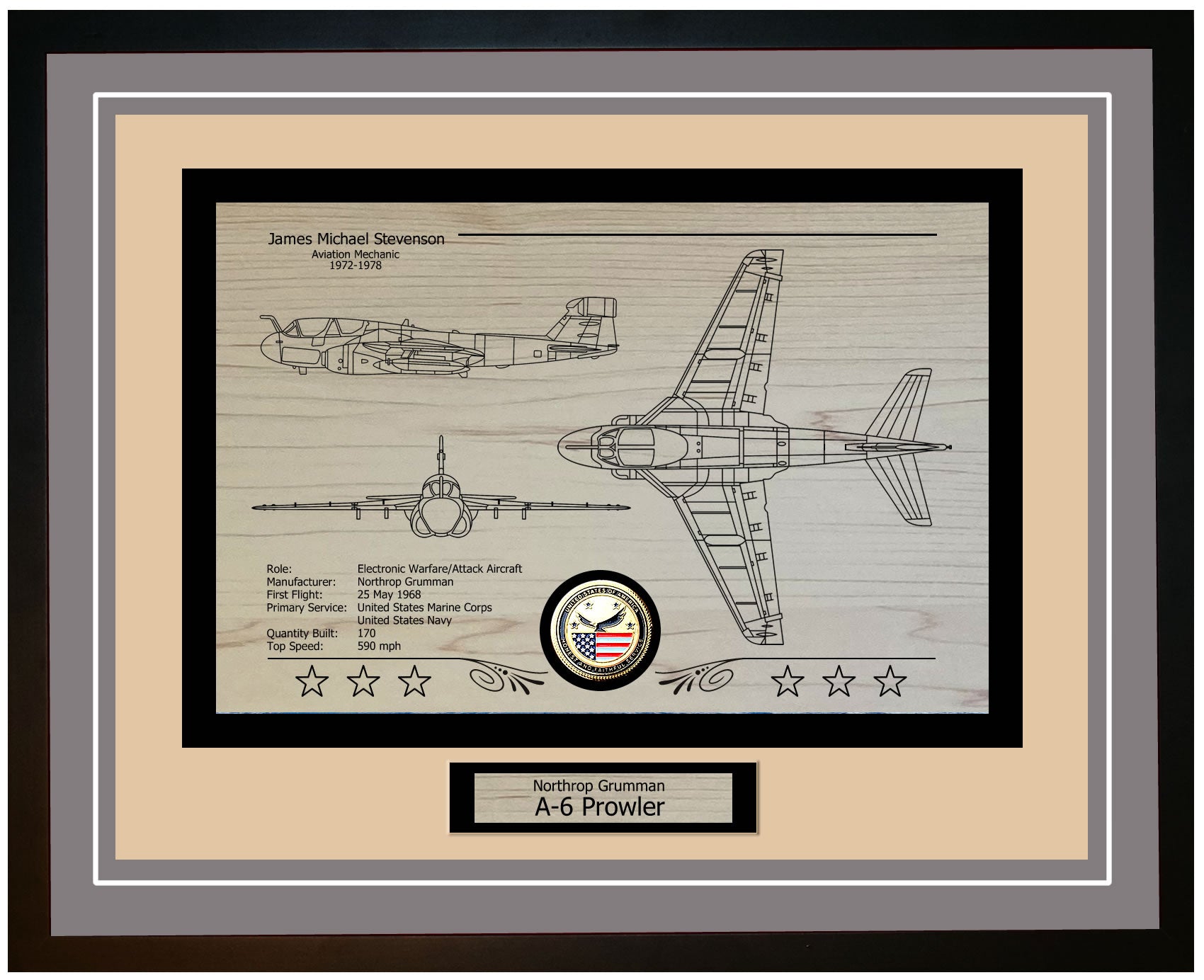
USS Bronstein FF-1037 Ship Specifications
| Specification | Details |
|---|---|
| Class | Bronstein Class Fast Frigate |
| Commissioned | June 15, 1963 |
| Displacement | 2,650 tons |
| Length | 371.6 feet |
| Beam | 40.6 feet |
| Draft | 23 feet |
| Speed | 24 knots |
| Complement | 199 |