
USS Colahan DD-658
The USS Colahan (DD-658) was a Fletcher-class destroyer built during World War II, a time of rapid naval growth and innovation. Her keel was laid on March 3, 1943, at the Federal Shipbuilding and Drydock Company in Kearny, New Jersey. This shipyard was known for its efficiency and quality, playing a crucial role in the war effort by producing many vessels for the U.S. Navy. The Colahan was launched on June 3, 1943, and commissioned on August 23, 1943, with Commander Charles E. Loughlin in charge. Her construction showcased American industrial strength and the urgency of wartime production.
The ship was named after Charles Ellwood Colahan, a notable U.S. Navy officer. Born in 1849, Colahan had a distinguished career, serving in various roles, including as a naval attaché and a member of the Naval War College staff. His contributions to naval strategy and his service during the Spanish-American War earned him a place of honor in naval history. Naming the destroyer after him was a fitting tribute to his legacy and a reminder of the lasting impact of dedicated naval officers on the U.S. Navy.
The USS Colahan had several features that set her apart from earlier destroyers. As a Fletcher-class destroyer, she was equipped with advanced radar and sonar systems, crucial for anti-submarine warfare. Her armament included five 5-inch/38 caliber guns, ten 21-inch torpedo tubes, and various anti-aircraft guns, making her a formidable opponent in both surface and air battles. The ship's design emphasized speed and maneuverability, with a top speed of 35 knots, allowing her to perform a variety of roles, from escorting convoys to engaging enemy vessels.
The legacy of the USS Colahan in the U.S. Navy is significant, as she took part in many key operations during World War II. Her service in the Pacific Theater included involvement in the Battle of Leyte Gulf, one of the largest naval battles in history, and the Battle of Okinawa, where she provided crucial support to ground forces and defended against kamikaze attacks. The ship's performance in these and other engagements demonstrated the effectiveness of the Fletcher-class design and underscored the importance of destroyers in modern naval warfare. The USS Colahan's contributions to these pivotal battles helped secure Allied victory in the Pacific.
As a Fletcher-class destroyer, the USS Colahan was part of a class of ships designed to be versatile and capable of performing a wide range of missions. The Fletcher-class was the largest class of destroyers built by the United States during World War II, with 175 ships completed. These destroyers were intended to serve as fleet escorts, anti-submarine warfare vessels, and surface combatants. The design of the Fletcher-class emphasized durability, firepower, and speed, making them well-suited for the diverse challenges of naval warfare. The USS Colahan exemplified these qualities, serving effectively in various roles throughout her service.
The commissioning of the USS Colahan marked the beginning of her active service in the U.S. Navy. Upon commissioning, the ship underwent a shakedown cruise and training exercises to prepare her crew for the rigors of combat. The ship's commissioning was a moment of pride for her crew and the shipyard workers who built her, symbolizing the culmination of their hard work and dedication. As the USS Colahan joined the fleet, she became part of a larger effort to project American naval power and secure victory in World War II. Her commissioning was not just the start of her service, but also a continuation of the legacy of excellence and commitment that defined the U.S. Navy.

USS Colahan DD-658: Structure, Technology, Armament, and Weaponry
The USS Colahan (DD-658) was a Fletcher-class destroyer, a class known for its sturdy design and versatility during World War II. It measured 376 feet 6 inches in length, with a beam of 39 feet 8 inches, and a draft of 17 feet 9 inches. These destroyers were built to be fast and nimble, reaching speeds up to 35 knots, thanks to their powerful steam turbines. The hull was made from high-tensile steel, striking a balance between strength and weight, crucial for speed and maneuverability in various naval operations. The ship's superstructure housed advanced radar and communication systems, essential for coordinating complex missions and ensuring effective combat performance.
The USS Colahan was equipped with cutting-edge technology for its time. It featured the SG surface search radar and the SC air search radar, which greatly enhanced its situational awareness and target acquisition capabilities. These radar systems allowed the Colahan to detect enemy ships and aircraft at significant distances, providing a tactical edge in both offensive and defensive operations. Additionally, the ship was fitted with sonar equipment for anti-submarine warfare, enabling it to detect and track underwater threats. These technologies made the USS Colahan a formidable opponent in naval engagements, capable of operating effectively in various combat scenarios.
The armament of the USS Colahan was designed to offer a balanced mix of offensive and defensive firepower. Its primary armament consisted of five 5-inch/38 caliber dual-purpose guns, capable of engaging both surface and air targets. These guns were mounted in single turrets, providing a wide range of fire and high rates of fire, essential for both bombardment and anti-aircraft roles. In addition to the main battery, the ship was equipped with ten 21-inch torpedo tubes arranged in two quintuple mounts. These torpedoes were a critical component of the ship's anti-ship capabilities, allowing it to deliver devastating blows to larger enemy vessels.
The USS Colahan also had a comprehensive array of secondary weaponry to boost its combat effectiveness. This included anti-aircraft guns like the 40mm Bofors and 20mm Oerlikon cannons, which provided close-in defense against enemy aircraft and smaller surface threats. The ship was also equipped with depth charge projectors and racks, essential for anti-submarine warfare. These depth charges could be deployed to create underwater explosions, targeting enemy submarines trying to evade detection. The combination of these weapons systems ensured that the USS Colahan was well-prepared to face a wide range of threats, making it a versatile and powerful asset in the US Navy's fleet during World War II.

Crew Accounts of Time Aboard
The USS Colahan (DD-658) holds a special place in the hearts of its former crew members, as evidenced by the vivid memories shared in its guestbook. These recollections span various years and experiences, painting a rich tapestry of life aboard this distinguished destroyer.
Robert Munoz served as a Boiler Technician Fireman (BTFN) and participated in cruises to the 50th Annual Rose Festival, Vancouver, BC, Honolulu, and Kauai. He also served during the Cuban Missile Crisis as a reservist, marking a period of heightened tension and readiness.
Paul Adkisson joined the USS Colahan in 1955 as a Machinist's Mate Second Class (MM2) right out of boot camp. He describes his time aboard as a period of significant personal growth, albeit with frequent visits to Captain's Mast for disciplinary issues. Despite these challenges, he fondly remembers his service as both memorable and enjoyable.
Tom Groves served as a Yeoman Third Class (YN3) in 1963, working in the Captain's Office. He recalls the Colahan being mostly in port, except for monthly weekend cruises for reservists and the annual two-week summer cruise. Groves highlights the excellent food, particularly the made-to-order breakfasts, and the camaraderie with the ship's baker. He appreciated the prime duty assignment, which offered ample liberty and a relatively relaxed atmosphere compared to his previous service on a fleet destroyer. After completing his active duty, Groves transitioned to a successful civilian career and continues to cherish his time aboard the Colahan.
Jim Abbs served in 1961 after completing Fire Control Technician (FT) school. He made FT3 and was transferred after the Berlin Crisis call-up, missing the 1962 WestPac trip. He fondly remembers his time in Long Beach, indicating a positive experience during his service.
Another anonymous crew member enlisted in late 1944 and served on the USS Vicksburg before transferring to the Colahan. He recalls the ship's significant role in World War II, particularly as the harbor entrance control vessel for Tokyo Bay on August 27, 1945. This veteran expresses a desire to reconnect with former shipmates, reflecting the deep bonds formed during their service.
Bob Castaneda served his Reserve active duty on the Colahan from March to April 1960. He fondly remembers the camaraderie and the sense of belonging he felt, despite being a reservist. A particularly harrowing memory involves a collision with another ship off the coast of California, which resulted in a hole in the fantail. Castaneda vividly recalls the frantic efforts to plug the hole with mattresses and the camaraderie that ensued. Despite the danger, no one was hurt, and this experience left a lasting impression on him.
These shared memories from the USS Colahan's crew members highlight the diverse experiences and strong bonds formed aboard the ship. From routine duties and personal growth to moments of crisis and camaraderie, the Colahan served as a significant chapter in the lives of those who served on her.

USS Colahan DD-658: Upgrades, Mission Capabilities, and Contribution to the Fleet
The USS Colahan (DD-658) was a Fletcher-class destroyer that saw some serious action and upgrades during its time. Commissioned in 1943, it started with five 5-inch/38 caliber guns, ten 21-inch torpedo tubes, and a mix of anti-aircraft weapons. As naval warfare changed, so did the Colahan. During World War II, it got better radar and sonar systems, boosting its ability to spot enemy subs and planes. After the war, it received more advanced anti-aircraft artillery and electronic warfare systems, keeping it sharp and ready for anything.
The Colahan was a jack-of-all-trades, reflecting the versatile nature of Fletcher-class destroyers. While it was initially designed for anti-submarine warfare, it also shone in anti-aircraft and surface combat roles. Its speed and agility made it perfect for escorting bigger ships like aircraft carriers and battleships, offering crucial protection against enemy threats. With its torpedoes, it could take on larger enemy ships, and its depth charges and hedgehog projectors made it a nightmare for submarines. Throughout its service, the Colahan took part in convoy escorts, shore bombardments, and search-and-rescue missions, proving its adaptability and toughness.
The Colahan's contributions were especially significant during World War II and the Korean War. In the Pacific Theater of WWII, it played a key role in battles like Leyte Gulf and Okinawa. The crew's anti-aircraft skills were tested during kamikaze attacks, where they showed incredible bravery. The ship's escort duties were vital in protecting supply lines and ensuring the success of amphibious assaults. During the Korean War, the Colahan continued to shine, providing naval gunfire support for ground troops and taking part in blockade and patrol operations along the Korean Peninsula.
Beyond combat, the Colahan was crucial for the fleet's readiness and strategic flexibility. Its presence in various operations highlighted the importance of destroyers in maintaining naval dominance and projecting power. The Colahan's ability to adapt to new tech and missions showed the ever-changing nature of naval warfare. By the time it was decommissioned in 1960, the USS Colahan had built a legacy of excellence, embodying the spirit of innovation and dedication that defines the U.S. Navy. Its service record is a testament to the critical role destroyers play in ensuring maritime security and supporting broader military goals.

USS Colahan DD-658: Deployments, Role in Major Conflicts, Awards, and Commendations
The USS Colahan (DD-658) was a remarkable ship with a storied history, especially during World War II. Commissioned in 1943, this Fletcher-class destroyer quickly found itself in the heart of the Pacific Theater. Early on, it took on vital roles like escorting convoys and providing anti-submarine warfare support. These tasks were crucial for the safe passage of Allied ships through dangerous waters. As the war went on, the Colahan's duties grew to include shore bombardments and direct support for amphibious landings. This showed just how versatile and strategically important destroyers were in naval warfare.
One of the Colahan's standout moments was during the Battle of Leyte Gulf in October 1944, one of the largest naval battles ever. The ship was part of the screen for the fast carrier task forces, offering anti-aircraft defense and engaging enemy ships. The crew's bravery and skill were exceptional, helping secure a decisive victory that severely weakened the Japanese fleet and set the stage for the liberation of the Philippines. The Colahan didn't stop there; it continued to support operations in the Pacific, including the invasions of Iwo Jima and Okinawa, providing crucial fire support and protecting larger vessels from kamikaze attacks.
The USS Colahan's service didn't go unnoticed. It earned nine battle stars for its World War II service, highlighting its active and effective role in key operations. The ship also received the Navy Unit Commendation for its outstanding performance during the Leyte Gulf operation. These honors speak volumes about the ship's contributions to the Allied war effort and the dedication of its crew, who worked under challenging and often dangerous conditions.
After World War II, the Colahan continued to serve in various roles, including training exercises and fleet maneuvers, until it was decommissioned in 1946. But that wasn't the end of its story. The ship was recommissioned in 1951 during the Korean War, once again proving its worth by providing naval gunfire support and screening duties. The Colahan's impressive career is a testament to the enduring importance of destroyers in the U.S. Navy, showcasing their adaptability and crucial role in both offensive and defensive operations. The legacy of the USS Colahan (DD-658) lives on through its commendations and the lasting impact it had on naval history.
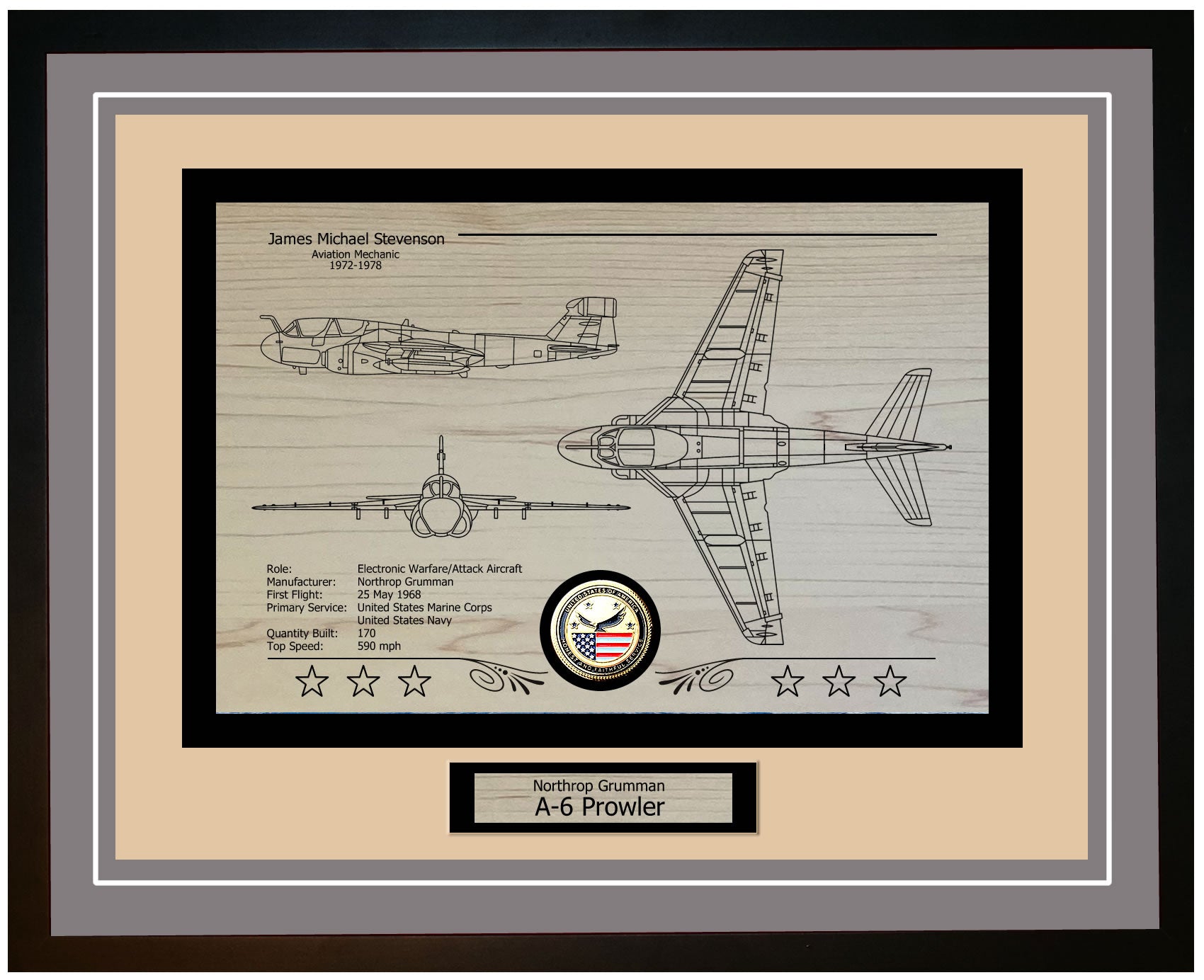
USS Colahan DD-658 Ship Specifications
| Specification | Details |
|---|---|
| Class | Fletcher Class Destroyer |
| Commissioned | August 23, 1943 |
| Displacement | 2,924 tons |
| Length | 377 feet |
| Beam | 40 feet |
| Draft | 13.8 feet |
| Speed | 38 knots |
| Complement | 9 Officers 264 Enlisted |