
USS Cook FF-1083
The USS Cook (FF-1083) was a Knox-class frigate built for the U.S. Navy during the Cold War. Laid down on November 27, 1969, at Avondale Shipyards in Westwego, Louisiana, this ship was part of a push to modernize the Navy with versatile vessels. It was launched on January 23, 1971, and commissioned on December 18, 1971, marking the start of its service.
Named after Lieutenant Commander Wilmer P. Cook, the ship honored a brave World War II naval officer. Lt. Cmdr. Cook earned the Navy Cross for his heroism during the Battle of the Coral Sea, a pivotal moment in halting Japanese expansion. The ship's name served as a tribute to his courage and the sacrifices of naval personnel.
The USS Cook stood out for its advanced anti-submarine warfare capabilities. It featured the SQS-26 sonar system, top-notch technology of its time. Armed with the ASROC system and torpedoes, it was a strong adversary against underwater threats. The ship also had a helicopter deck and hangar for the SH-2 Seasprite, boosting its ASW prowess.
Throughout its service, the USS Cook made significant contributions to naval operations and exercises. It deployed in the Atlantic, Pacific, and Mediterranean, highlighting the need for a versatile naval force. The ship also joined multinational exercises, promoting cooperation with allied navies.
As part of the Knox-class, the USS Cook was designed mainly for anti-submarine warfare but could handle various roles. These frigates, with their single screw propulsion, balanced speed and endurance. They replaced older destroyer escorts, offering a modern platform for ASW operations. The Knox-class was a valuable asset during the Cold War.
Commissioned on December 18, 1971, the USS Cook quickly became a key part of the Navy's surface fleet. The commissioning ceremony was a big event, attended by officials, dignitaries, and families. Commander John D. Bulkeley, the first commanding officer, led the ship through its shakedown cruise and deployments. Over the years, the USS Cook proved its worth, earning recognition for its performance and the dedication of its crew.

USS Cook FF-1083: Structure, Technology, Armament, and Weaponry
The USS Cook (FF-1083) was a Knox-class frigate, a class known for its sturdy design and versatility. This ship had a long, sleek hull, measuring 438 feet in length and a beam of 46 feet. It was built for speed and stability in various sea conditions, displacing about 4,200 tons when fully loaded. Constructed with high-tensile steel, the hull was tough enough to handle the demands of naval operations. The superstructure housed advanced radar and communication systems, making it a key player in anti-submarine warfare (ASW) and other missions.
The USS Cook was packed with cutting-edge technology for its time. It was powered by a single Westinghouse geared steam turbine, producing 35,000 shaft horsepower, allowing the ship to reach speeds up to 27 knots. Two Foster Wheeler boilers provided the necessary steam for this propulsion system. The ship's electronic suite included the AN/SPS-40 air search radar, AN/SPS-67 surface search radar, and the AN/SQS-26 sonar system, all crucial for detecting and tracking threats both above and below the water. The AN/SLQ-32 Electronic Warfare Suite further boosted its electronic countermeasure capabilities.
When it came to armament, the USS Cook was ready for action. Its primary weapon was the Mk-16 ASROC (Anti-Submarine Rocket) launcher, capable of delivering torpedoes and depth charges to tackle submarine threats. The ship also boasted a Mk-42 5-inch/54 caliber gun mount, offering significant firepower for surface battles and shore bombardment. For close-in defense, it had two Mk-32 triple torpedo tubes, launching Mk-46 torpedoes specifically designed for anti-submarine warfare.
The ship's defenses were further bolstered by the Phalanx Close-In Weapon System (CIWS), a rapid-fire 20mm gun system designed to intercept incoming anti-ship missiles and aircraft. This system was a critical last line of defense, firing 3,000 rounds per minute. The USS Cook also had provisions for the RIM-7 Sea Sparrow missile system, providing extra protection against aerial threats. With this impressive array of weaponry, the USS Cook was a formidable force on the seas, ready to defend itself and its allies against a wide range of threats.

Crew Accounts of Time Aboard
The USS Cook (FF-1083) holds a special place in the hearts of many of its former crew members, as evidenced by the numerous guestbook posts recounting their experiences aboard the ship. These memories span from the ship's commissioning in the early 1970s to its decommissioning in the early 1990s, capturing a wide array of personal anecdotes, professional milestones, and camaraderie among the sailors.
David Bentz, who served as an HTC in 1975, fondly remembers the USS Cook as the best ship he served on during his 20-year Navy career, praising Captain Jerry McMurry and the crew. Similarly, Mike Baraniecki, an ET2 in 1981, recalls the Cook as his first and most memorable ship among the four he served on, highlighting the great times and memories.
Chris Clink, who served as an MMFN in both 1979 and 1981, shares his transition from the USS Coral Sea to the Cook, mentioning trips to Australia, Fiji, and American Samoa. He fondly remembers his time in A Division and the camaraderie with his fellow sailors.
Cesar Olivares, a BM3 in 1982, reminisces about his time with BM3 Lockett and MR Plumbly on the bridge, and the unforgettable SN1 Vassey, the "#1 deckape." Joe Stovall, an HT3 in 1985, expresses a desire to reconnect with his shipmates and find a Westpac 87-88 cruise book.
James Ziolkowski, an FC1(SW) in 1991, reflects on his last ship and the injury that ended his career, noting the extensive training he received. Scott Basson, an E-3 in 1983, recalls the great times in port towns and the antics of his shipmate Spiker, the "party animal."
Fred Brunk, a LTJG in 1973, remembers the crew's dedication during a 42-day stretch at Yankee Station, while Tom Burkhart, a FN in 1971, recounts the commissioning and his subsequent transfer to a WWII destroyer. Kevin Burnside, a BT2 in 1981, and Hector Candelario, a cook in 1975, share their fond memories and personal stories.
Steve Carlson, an STG2 in 1977, highlights the ship's Cold War missions, including capturing Soviet coded underwater communications. Mark Clifford, an E5/MM2 in 1984, recalls a flooding incident in the auxiliary room during a Westpac.
Gregory Colt, a GMGG2 in 1977, and George Good, a GMG1 in 1978, both mention the collision with the USS Mars and their Westpac experiences. Bill Connelly and Thomas M. Cooper, who served in the 1940s, share their fathers' naval histories, while James Crabill, an OS3 (SW) in 1985, humorously recalls throwing a chief's coffee cup overboard.
Nolen Crane, a BM3 in 1977, and Dave Cutting, a BM3 in 1976, reminisce about their responsibilities and the memorable "landing on Mars" incident. Dave Dahl, a seaman in 1982, and Gordon Davis, a PC3 in 1976, reflect on the wild times and lasting friendships.
Deron Dunbar, an OS2 in 1984, and Dondi Dykes, a SNBM in 1974, share how their time on the Cook shaped their lives. Joseph Famme, a CDR in 1977, and Mark Fitzsimons, a GMM2 in 1977, recall significant missions and ship overhauls.
William Gaines, an ET1 in 1988, and Tony Gauthier, an HT3 in 1980, express their appreciation for the ship and crew. Tom Gentz, a BT3 in 1971, and George Good, a GMG1 in 1978, share their experiences as plank owners and their contributions to the ship's early years.
Rick Hall, an RM2 in 1980, and Stacey Harrell, an FC2(SW) in 1987, reflect on their time aboard and the lasting impact it had on their lives. Dennis Hartman, a deck hand in 1984, and Ron Herren, an MM2 in 1973, share their fond memories and the fun they had with their shipmates.
Thomas Hunt, an OS2 in 1978, and Allan Inman, who served in 1977, recall significant events like the Westpac deployments and the collision with the USS Mars. Michael Johnson, an EN3 in 1975, raises concerns about health issues related to hazardous materials.
John L. Jones, a LT in 1980, and Michael Jones, a LTJG in 1976, highlight the ship's various missions and the camaraderie among the crew. Mark Kedik, an MMFN in 1974, and Jim Lavelle, a BT3 in 1971, share their experiences during significant historical events like Operation Frequent Wind.
Wayne Longmire, a gunners mate in 1971, and Mark Manning, an OS1 in 1987, reflect on their challenging yet rewarding experiences. Michael Marcus, an E-3 seaman in 1982, and Keith Masterson, a midshipman in 1985, share their memories of the ship's unique culture and the friendships they formed.
Christian Nelson, a BT1 in 1975, and Gus Nix, an SH4 in 1977, recall the humorous and memorable moments aboard the Cook. William Nixon, an FTG2 in 1980, and Charles Nott, a SN in 1981, express their appreciation for the ship and the lasting impact it had on their lives.
Wayne Oversen, an MM3 in 1972, and Frank Pazdric, an ETN2 in 1973, share their experiences with their respective divisions and the camaraderie they enjoyed. David Peavy, a BMSN in 1975, and Samuel Prado, an RP3 in 1985, recall the fun times and significant events they witnessed.
Theodore Privett, a BMSN in 1974, and James Putney, a TM1 in 1985, express their desire to reconnect with their shipmates. Casey Reed, an E-5 in 1980, and Bruce Sawyer, a BT2 in 1981, share their fond memories and the lasting friendships they formed.
Joel Schnurr, a BTC(SW) in 1988, and Anthony Shannon, a SN in 1979, reflect on their achievements and the camaraderie they enjoyed. Michael Smith, a GMG-2 in 1979, and Steve Spratt, an FTG3 in 1971, share their experiences and the fun times they had with their shipmates.
Terry Stargel, a BM in 1977, and Anthony Stewart, a LT in 1981, express their appreciation for the ship and the lasting impact it had on their lives. Mitchell Stodola, an RD3 in 1971, and Kennie Thompson, a PS1 in 1963, share their experiences and the significant events they witnessed.
Thomas Trutwin, a third class seaman in 1945, and Henry Vegter, an SK2 in 1987, express their desire to reconnect with their shipmates. Nicholas Von Teck, an OS1 in 1981, and Michael White, a LT in 1985, share their fond memories and the lasting friendships they formed.
Steve Wiemholt, an ET1 in 1983, and Robert Williams, a GMG/E5 in 1975, express their appreciation for the ship and the lasting impact it had on their lives. Harry Wiltz, a seaman 1st class in 1945, and Leon Youngblood, an RM3 in 1982, share their experiences and the camaraderie they enjoyed.
Mark Zimmerman, an ET3 in 1977, and John Rydzewski, who served from 1988-1991, reflect on their time aboard the Cook and the lasting friendships they formed. These memories paint a vivid picture of life aboard the USS Cook, highlighting the ship's significant events, the camaraderie among the crew, and the lasting impact it had on their lives.

USS Cook FF-1083: Upgrades, Mission Capabilities, and Contribution to the Fleet
The USS Cook (FF-1083) was a Knox-class frigate that saw some impressive upgrades during its time in service. Commissioned in 1971, it started with the AN/SQS-26 sonar and the RUR-5 ASROC system, which were cutting-edge back then. In the late '70s and early '80s, Cook got a boost with the AN/SLQ-32 Electronic Warfare Suite, making it much better at spotting and countering threats. The ship's propulsion system was also revamped to be more fuel-efficient and reliable, ready for those long missions.
As the tech on board improved, so did Cook's mission capabilities. Initially focused on anti-submarine warfare, it expanded to tackle surface and anti-air warfare too. The early '80s saw the addition of the Harpoon missile system, giving Cook a strong surface strike ability to hit enemy ships from afar. Its helicopter facilities were upgraded to handle the SH-2 Seasprite and later the SH-60 Seahawk, boosting its anti-submarine and search-and-rescue operations. These upgrades kept Cook a versatile and powerful player in the fleet.
Throughout its service, Cook was a key player in the Navy's readiness and strategic goals. It took part in many exercises and operations, both solo and with larger groups. During the Cold War, Cook was crucial in patrolling the Atlantic and Pacific, acting as a deterrent against Soviet subs. Its advanced sonar and ASW skills were vital for tracking threats and keeping sea lanes secure. Cook also spent time in the Mediterranean and Persian Gulf, supporting U.S. and NATO missions, showing off its global reach and strategic value.
Cook's legacy is all about adaptability and top-notch performance. Its ability to take on new tech and expand its mission scope speaks to the foresight of its designers and the skill of its crew. By staying ready and versatile, Cook embodied the Navy's core values and made a big impact on the fleet's effectiveness. Even after decommissioning in 1992, the lessons and innovations from Cook continued to shape future naval ships, ensuring its influence lived on well past its active days.

USS Cook FF-1083: Deployments, Role in Major Conflicts, Awards, and Commendations
USS Cook (FF-1083), a Knox-class frigate, was a vital part of the U.S. Navy's Pacific Fleet. Commissioned in 1971, she spent much of her time in the Western Pacific and Indian Ocean. Cook's deployments often included joint exercises with allied navies, proving her versatility and the crew's readiness. Her presence in these waters showed America's commitment to stability and international maritime cooperation.
During her service, Cook was involved in several key operations. She provided naval gunfire support during the Vietnam War, helping deter North Vietnamese forces. In the late 1970s and early 1980s, Cook was deployed to the Persian Gulf during the Iran-Iraq War, ensuring the safe passage of oil tankers through the Strait of Hormuz. These missions highlighted her strategic importance and the crew's adaptability in challenging situations.
Cook's service didn't go unnoticed. She and her crew received numerous awards, including the Navy Unit Commendation and the Meritorious Unit Commendation, recognizing their exceptional performance. Cook also earned multiple Battle Efficiency (Battle "E") awards, showcasing the crew's skills in anti-submarine warfare, surface warfare, and damage control.
Beyond combat, Cook was known for her humanitarian efforts. She took part in rescue and relief operations, aiding those affected by natural disasters and emergencies. These missions demonstrated her versatility and the crew's dedication to humanitarian service. Cook's history of deployments, conflict involvement, and numerous awards is a lasting tribute to the men and women who served aboard her.
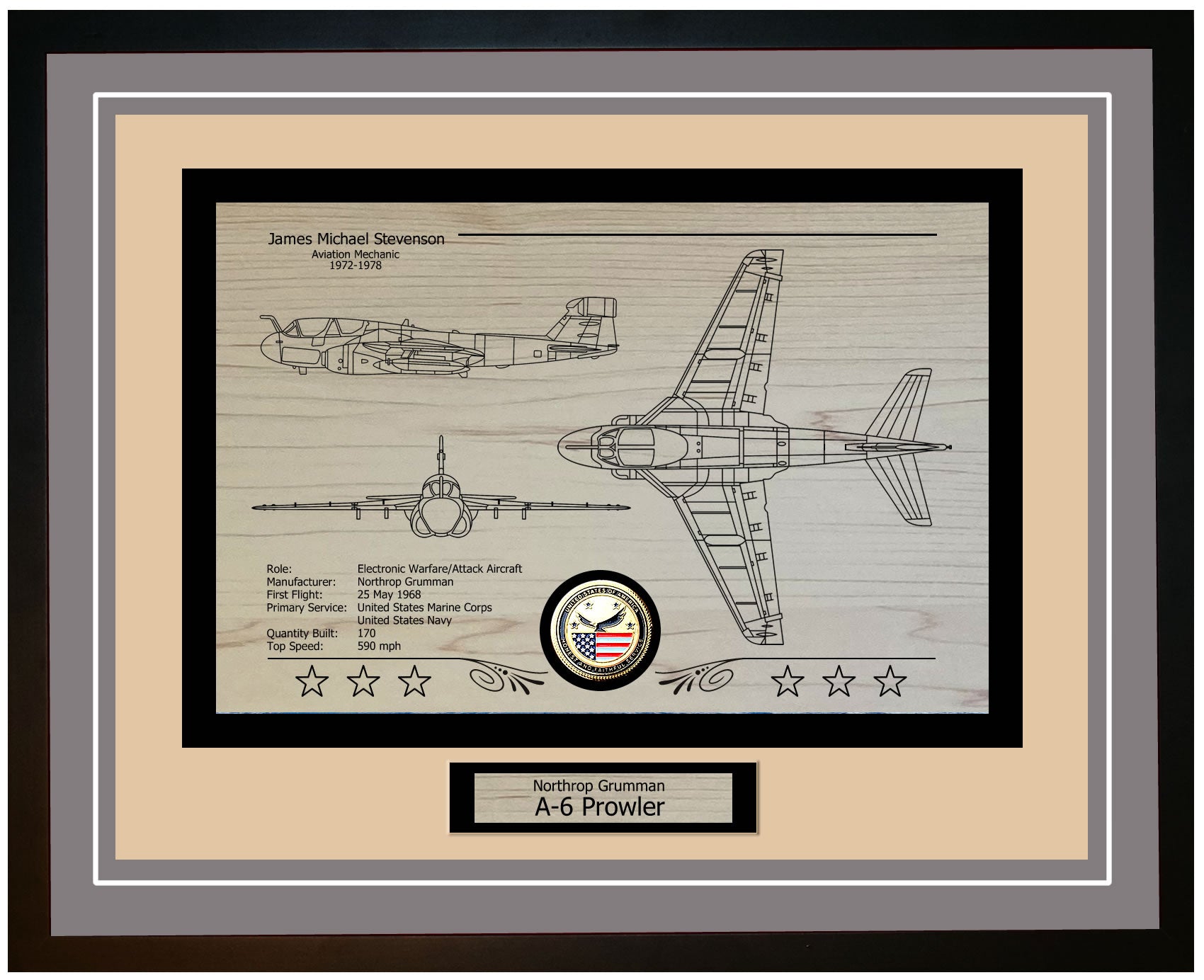
USS Cook FF-1083 Ship Specifications
| Specification | Details |
|---|---|
| Class | Knox Class Fast Frigate |
| Commissioned | December 18, 1971 |
| Displacement | 4,065 tons |
| Length | 438 feet |
| Beam | 46.9 feet |
| Draft | 24.9 feet |
| Speed | 27 knots |
| Complement | 227 |