
USS Daviess County LST-692
The USS Daviess County (LST-692) was a tank landing ship built during World War II, a time of rapid naval growth and innovation. It was laid down on February 22, 1944, in Jeffersonville, Indiana, by the Jeffersonville Boat & Machine Company. This shipyard was one of many across the U.S. tasked with producing essential landing ships for amphibious operations. The USS Daviess County was launched on April 15, 1944, and commissioned on May 15, 1944, with Lieutenant William H. Sanders, USNR, in command. This ship was part of a larger effort to strengthen the U.S. Navy's capabilities in both the Pacific and European theaters.
The ship was named after Daviess County, a name shared by counties in Indiana and Kentucky. This naming tradition in the U.S. Navy honors American counties, cities, and states, fostering national pride and local connection. Both Daviess County, Indiana, and Daviess County, Kentucky, have rich histories and were named after Major Joseph Hamilton Daveiss, a notable lawyer and military figure who died in the Battle of Tippecanoe. The ship's name carried a legacy of bravery and service, qualities the crew of LST-692 embodied throughout their missions.
The USS Daviess County had a robust design for amphibious operations. As an LST (Landing Ship, Tank), it was engineered to transport large quantities of vehicles, cargo, and troops directly onto shore without docking facilities. The ship measured 328 feet in length, had a beam of 50 feet, and displaced about 1,625 tons when fully loaded. It featured a large bow door and ramp for rapid deployment of tanks and heavy equipment. Armed with various anti-aircraft guns, it was a formidable presence in contested waters.
The legacy of the USS Daviess County is significant, representing the critical role of LSTs in achieving Allied victory during World War II. These ships were key in numerous amphibious assaults, including the D-Day invasion of Normandy and the island-hopping campaigns in the Pacific. LSTs' ability to deliver essential equipment and personnel directly to the front lines revolutionized naval warfare and highlighted the importance of logistical support in military operations. The USS Daviess County, like its sister ships, demonstrated the strategic value of versatility and mobility in naval engagements.
The USS Daviess County was part of the LST-542 class, a subclass of the broader LST-1 class. These ships were designed to improve upon earlier models, incorporating lessons from initial amphibious operations. The LST-542 class featured enhanced armor and armament, as well as improved living quarters for the crew. Their primary purpose was to support amphibious operations by transporting and deploying tanks, vehicles, cargo, and troops directly onto unimproved shores. This capability was crucial for establishing and maintaining beachheads during invasions, making the LST-542 class a cornerstone of Allied amphibious strategy.
Commissioning the USS Daviess County marked the start of its active service in the U.S. Navy. After commissioning, the ship underwent shakedown cruises and training exercises to prepare the crew for combat. These preparations ensured the ship and its crew could operate effectively under the challenging conditions of wartime amphibious operations. The commissioning ceremony was a moment of pride and anticipation, as the ship's officers and crew stood ready to contribute to the Allied war effort. The USS Daviess County went on to serve with distinction, participating in key operations that underscored the strategic importance of LSTs in modern naval warfare.

USS Daviess County LST-692: Structure, Technology, Armament, and Weaponry
The USS Daviess County (LST-692) was a tank landing ship in the US Navy, built to support amphibious operations. It could carry vehicles, cargo, and troops right onto the shore. Its flat-bottomed hull let it beach itself, but it wasn't the best in rough seas. The ship was 328 feet long, 50 feet wide, and had a draft of 14 feet and 1 inch when fully loaded. It displaced about 1,625 tons when light and 4,080 tons when fully loaded. The superstructure was towards the stern, leaving a clear deck for loading and unloading.
The ship had some impressive tech for its time. It ran on two General Motors 12-567 diesel engines, driving two shafts with a total of 1,700 brake horsepower. This setup let it hit speeds of about 12 knots. The LST-692 had a bow ramp and a large cargo deck for tanks, trucks, and heavy gear. Its ballast system helped adjust the draft for beaching, and a stern anchor helped it pull back from the shore.
For defense, the USS Daviess County was well-armed. It had a 3"/50 caliber gun on the bow for anti-aircraft and surface targets. There were also twin 40mm Bofors anti-aircraft guns and several 20mm Oerlikon cannons. These weapons were crucial for protecting the ship during beaching operations.
The ship could carry and deploy various landing craft, like up to 20 LCVPs (Landing Craft, Vehicle, Personnel) or 6 LCMs (Landing Craft, Mechanized). These were key for getting troops and equipment from the ship to the shore. The combination of its design, tech, and armament made the USS Daviess County a vital part of the US Navy's amphibious operations during World War II and beyond.


USS Daviess County LST-692: Upgrades, Mission Capabilities, and Contribution to the Fleet
The USS Daviess County (LST-692) was a remarkable ship that evolved with the times. Commissioned during World War II, it started with the standard gear of the era, like 40mm and 20mm anti-aircraft guns. But as naval warfare changed, so did the LST-692. During the Korean War, it got better radar and communication systems, which helped a lot in coordinating amphibious operations. It also improved its cargo handling, allowing it to carry more types of vehicles and supplies, making it a versatile logistical support ship.
The ship's mission capabilities were diverse and adapted to the Navy's changing needs. Originally built for beach landings and transporting tanks, troops, and equipment, it proved its worth in many war theaters. In World War II, it played a key role in the Pacific, including the liberation of the Philippines. During the Korean War, it was crucial in the Inchon landings, delivering heavy equipment right onto the shore. The Vietnam War saw it supporting riverine and coastal operations, showing off its adaptability to different combat environments.
But the USS Daviess County wasn't just about combat. It also shone in humanitarian missions and peacetime exercises. It helped in disaster relief after natural calamities, delivering essential supplies and medical aid to hard-to-reach areas. Its robust design and shallow draft made it perfect for these tasks. The ship also took part in joint exercises with allied navies, boosting interoperability and strengthening international maritime partnerships. These activities highlighted its importance beyond combat, showcasing its multifaceted utility.
Throughout its service, the USS Daviess County (LST-692) embodied the adaptability and resilience of the Navy's amphibious fleet. Its continuous upgrades kept it a formidable asset, ready for modern warfare and peacetime operations alike. From combat support to humanitarian assistance, its diverse mission capabilities made it indispensable to the Navy's strategic goals. The LST-692 not only contributed to significant military victories but also fostered international cooperation and provided critical aid during times of need, securing its place in naval history.

USS Daviess County LST-692: Deployments, Role in Major Conflicts, Awards, and Commendations
USS Daviess County (LST-692) was a remarkable ship with a storied history. Commissioned in 1944, she was part of the LST class, known for their ability to land tanks, vehicles, and troops directly onto shore without docks. During World War II, she was right in the thick of it, playing a crucial role in the Pacific Theater. One of her standout moments was the invasion of Okinawa, a massive amphibious assault. Under constant threat from enemy fire and kamikaze attacks, LST-692 delivered troops and supplies straight to the beaches. Her efforts were vital to the success of the Allied forces in this pivotal campaign.
After World War II, the ship wasn't done yet. She was recommissioned in 1950 for the Korean War. LST-692 took part in key operations, including the famous Inchon Landing. This operation was a game-changer, helping the United Nations forces recapture Seoul. The ship's sturdy design allowed her to handle Inchon's tricky tides, delivering troops and equipment that were crucial to the mission's success. Throughout the Korean War, she proved the enduring value of amphibious warfare, providing essential support and keeping the flow of reinforcements steady.
But it wasn't all about war. USS Daviess County also shone in peacetime. She took part in numerous operations and exercises, helping the Navy stay sharp and ready. From training missions to joint exercises with allies, and even humanitarian assistance, she did it all. These missions honed the crew's skills and reinforced the U.S. commitment to global maritime security. Her ability to operate in diverse environments made her a versatile and valuable asset in the Navy's fleet.
Throughout her service, USS Daviess County earned several awards and commendations. She received the American Campaign Medal, the Asiatic-Pacific Campaign Medal with one battle star, the World War II Victory Medal, and the Navy Occupation Service Medal with Asia clasp. For her service in the Korean War, she was awarded the Korean Service Medal with two battle stars, the United Nations Service Medal, and the Republic of Korea War Service Medal. These honors reflect the ship's exemplary performance and the dedication of her crew, cementing her legacy in naval history.
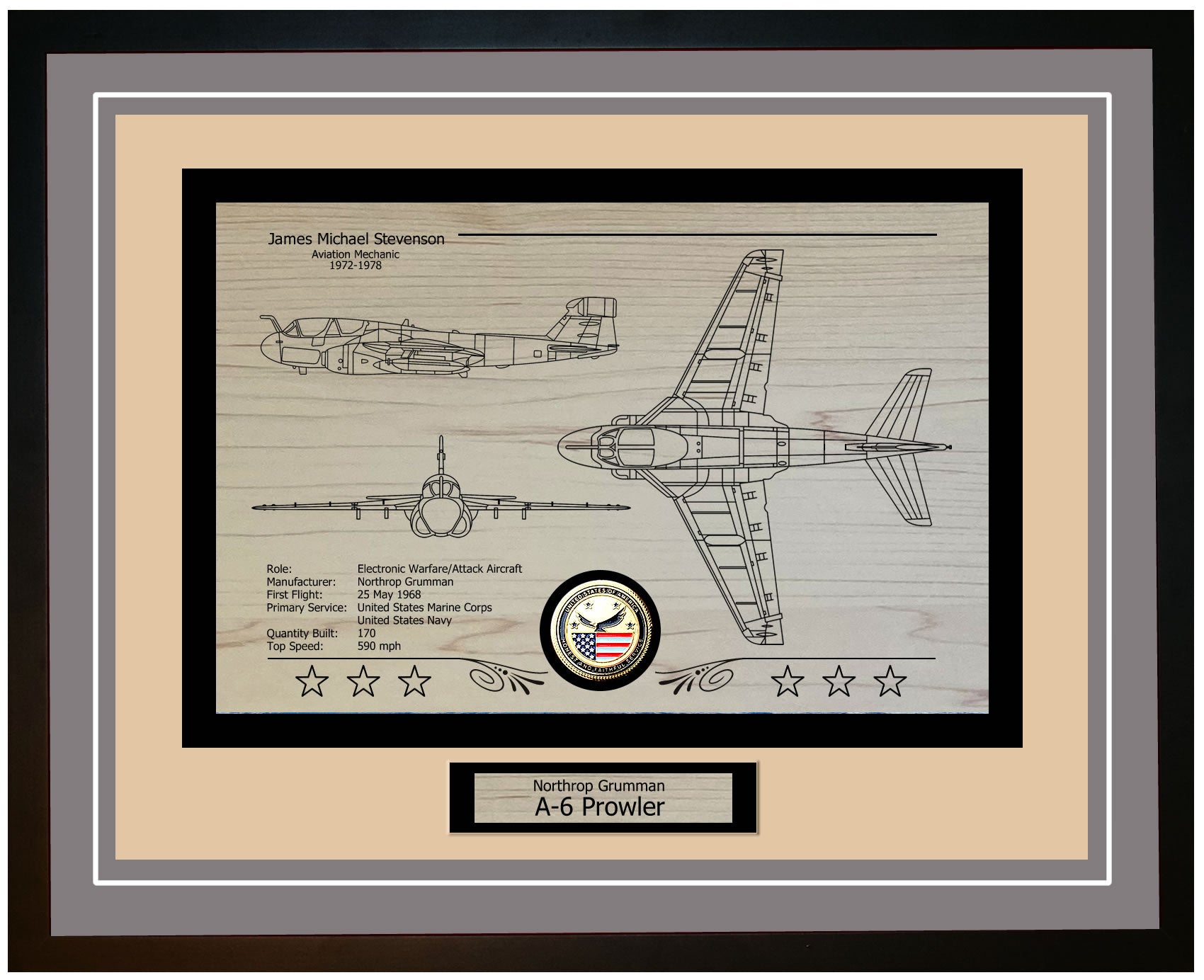
USS Daviess County LST-692 Ship Specifications
| Specification | Details |
|---|---|
| Class | LST-542 Class Tank Landing Ship |
| Commissioned | May 2, 1944 |
| Displacement | 4,145 tons |
| Length | 328 feet |
| Beam | 50 feet |
| Draft | 14.1 feet |
| Speed | 12 knots |
| Complement | 7 Officers 104 Enlisted |