
USS Eddy County LST-759
The USS Eddy County (LST-759) was a tank landing ship built during World War II, a time of rapid naval growth and innovation. It was laid down on June 19, 1944, at the American Bridge Company in Ambridge, Pennsylvania. This shipyard was known for its efficiency and quality. The ship launched on August 13, 1944, and after sea trials and outfitting, it was commissioned into the U.S. Navy on September 9, 1944. LST-759 was part of a larger effort to enhance the Navy's amphibious capabilities, crucial for the Pacific island-hopping campaigns.
Later named USS Eddy County, the ship honored counties in New Mexico and North Dakota, following the tradition of naming LSTs after U.S. counties. This naming fostered pride and connection between the Navy and the American heartland. Eddy County, New Mexico, is known for its rich history, while Eddy County, North Dakota, is recognized for its agriculture. This dual homage highlights the diverse contributions of American communities to the war effort.
The USS Eddy County had a robust design for amphibious operations. It measured 328 feet in length, with a beam of 50 feet, and displaced about 1,625 tons when fully loaded. Equipped with a large bow door and ramp, it could rapidly deploy tanks, vehicles, and troops directly onto shore. Its flat-bottomed hull allowed it to beach and discharge cargo in shallow waters. Armed with anti-aircraft guns, it was ready to defend against enemy aircraft, reflecting the multifaceted threats of amphibious assaults.
The legacy of the USS Eddy County is significant. It exemplified the strategic importance of LSTs in World War II and beyond. These ships were crucial in many amphibious operations, including the invasions of Iwo Jima and Okinawa. Delivering heavy equipment and personnel directly to contested beaches gave the Allies a critical advantage, enabling rapid establishment and expansion of beachheads. The success of LSTs like the USS Eddy County demonstrated the effectiveness of combined arms operations and the importance of logistical support in modern warfare.
The USS Eddy County was part of the LST-542 class, a subclass of the broader LST category. These vessels were designed for amphibious warfare, transporting and deploying large quantities of men and material. The LST-542 class had several improvements over earlier models, including a more powerful engine, increased fuel capacity, and enhanced defensive armament. These enhancements made the ships versatile and capable of operating in various combat environments, from Normandy beaches to Pacific islands.
Commissioned on September 9, 1944, the USS Eddy County quickly became an integral part of the U.S. Navy's amphibious forces. Its commissioning marked the start of active service, participating in key operations in the Pacific Theater. The crew, composed of dedicated sailors and officers, underwent extensive training to master amphibious warfare complexities. Their efforts ensured the USS Eddy County was always ready to fulfill its mission, whether transporting troops, delivering supplies, or providing critical support during amphibious assaults. The ship's commissioning and service highlight the vital role of LSTs in achieving Allied victory during World War II.

USS Eddy County LST-759: Structure, Technology, Armament, and Weaponry
The USS Eddy County (LST-759) was a tank landing ship in the U.S. Navy, built to transport vehicles, cargo, and troops right onto the shore. It didn't need docks or piers. Its design was practical and tough, with a flat-bottomed hull that let it beach itself and unload directly onto land. At about 328 feet long and 50 feet wide, it displaced around 1,625 tons when empty and could reach up to 4,080 tons when fully loaded. The ship had a large bow door and ramp, making it easy to deploy tanks, trucks, and other heavy gear crucial for amphibious missions.
The USS Eddy County was pretty advanced for its time. It ran on two General Motors 12-567 diesel engines, giving it 1,700 horsepower and a top speed of about 12 knots. With twin rudders and screws, it was quite maneuverable, which was key for shallow waters and beach landings. Its ballast system helped adjust its draft, making it adaptable to different shorelines. The ship also had radar and communication systems that were cutting-edge during World War II, ensuring smooth coordination during complex assaults.
For defense, the USS Eddy County was armed to handle both air and surface threats. It had a 3-inch/50 caliber dual-purpose gun on the bow for aircraft and surface targets. Two twin 40mm Bofors anti-aircraft guns provided a wide field of fire against enemy planes. The ship also had several 20mm Oerlikon anti-aircraft cannons for close-in defense. These weapons were operated by skilled crews, ensuring the ship could protect itself and its cargo during missions.
The ship's weaponry wasn't just about the big guns. It also carried small arms and portable weapons for the troops on board, like rifles, machine guns, and mortars. These were vital for establishing a beachhead and securing the landing area. With its mix of heavy and light armament, the LST-759 was a powerful tool in amphibious warfare, able to deliver and support ground forces in hostile areas. LSTs like the Eddy County were crucial in World War II, playing key roles in operations like the D-Day landings in Normandy and the Pacific island-hopping campaigns.


USS Eddy County LST-759: Upgrades, Mission Capabilities, and Contribution to the Fleet
The USS Eddy County (LST-759) was a remarkable ship with a rich history. Commissioned during World War II, it was built to carry tanks, vehicles, cargo, and troops right onto the shore. No docks needed. Over time, it got some serious upgrades. Better radar, improved communication systems, and stronger defensive weapons kept it relevant and ready for action. These changes made sure the Eddy County could handle whatever the Navy threw its way.
This ship was a jack-of-all-trades. It was designed as a tank landing ship, crucial for getting armored units and infantry onto contested beaches. But it didn't stop there. The Eddy County also took on humanitarian missions, disaster relief, and logistical support. It could haul a ton of supplies, making it a lifesaver during peacetime crises. During the Korean and Vietnam Wars, it was a key player in moving troops and keeping the supply lines running smoothly.
The Eddy County's service record was impressive. In World War II, it was part of major amphibious assaults in the Pacific, like the liberation of the Philippines and the Battle of Okinawa. Its sturdy build and flexibility made it a reliable asset in both combat and support roles. After the war, it stayed busy with training exercises and readiness operations, proving its worth time and again.
In short, the USS Eddy County (LST-759) was a shining example of the U.S. Navy's amphibious forces. With continuous upgrades, it stayed effective through decades and conflicts. Its wide range of missions, from combat to humanitarian aid, showed just how important and versatile it was. The Eddy County's legacy is a testament to the lasting value of tank landing ships in the Navy's strategy.

USS Eddy County LST-759: Deployments, Role in Major Conflicts, Awards, and Commendations
The USS Eddy County (LST-759) was a remarkable ship with a storied history. It was part of the Landing Ship, Tank (LST) class, known for their ability to transport troops, vehicles, and supplies directly onto shore. This capability was crucial during World War II, especially in the Pacific Theater. LST-759 was right there in the thick of it, playing a key role in the liberation of the Philippines. It supported the Leyte and Luzon landings, helping to turn the tide against Japanese forces.
After World War II, the USS Eddy County wasn't done yet. It was recommissioned for the Korean War, where it again proved its worth. The ship's ability to deliver heavy equipment and reinforcements directly to the front lines was vital. It was part of the famous Inchon Landing, a pivotal moment in the conflict. The ship's design allowed it to handle everything from icy Korean waters to the heat of Southeast Asia.
But it wasn't all about war. The USS Eddy County also shone during peacetime. It took part in training exercises and joint operations with allied navies, boosting readiness and cooperation. In 1954, it was part of Operation Passage to Freedom, helping evacuate thousands from North Vietnam to the South. This mission highlighted the ship's versatility and the Navy's commitment to humanitarian efforts.
Throughout its service, the USS Eddy County earned numerous awards and commendations. It received several battle stars for its World War II and Korean War service, a testament to its significant contributions. The ship was also awarded the Navy Unit Commendation for its heroism during the Korean War. These honors reflect the ship's achievements and the bravery of the men who served aboard her.
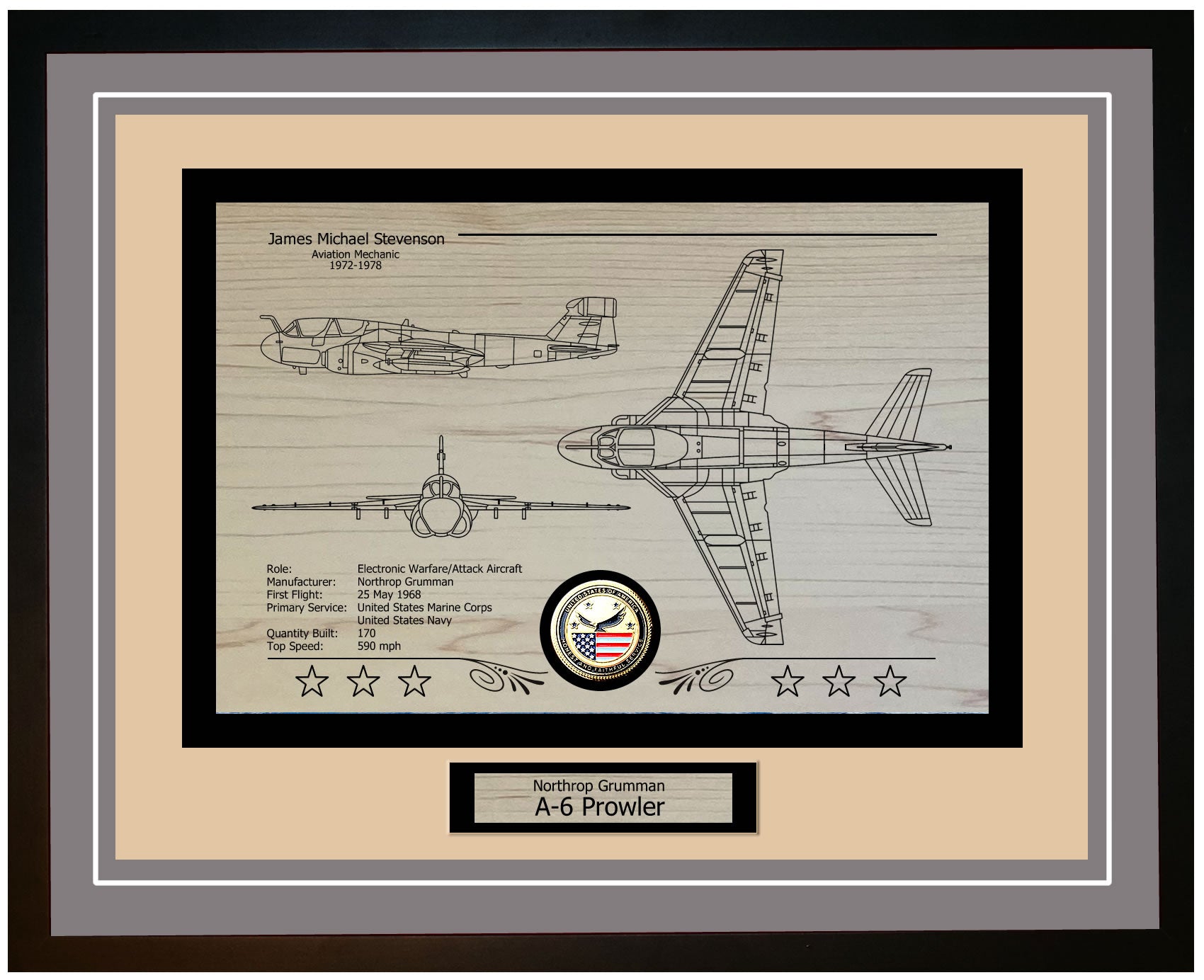
USS Eddy County LST-759 Ship Specifications
| Specification | Details |
|---|---|
| Class | LST-542 Class Tank Landing Ship |
| Commissioned | August 25, 1944 |
| Displacement | 4,145 tons |
| Length | 328 feet |
| Beam | 50 feet |
| Draft | 14.1 feet |
| Speed | 12 knots |
| Complement | 7 Officers 104 Enlisted |