
USS Gansevoort DD-608
The USS Gansevoort (DD-608) was a Gleaves-class destroyer built during the early years of World War II. Her keel was laid down on May 16, 1941, at the Bethlehem Steel Corporation's Fore River Shipyard in Quincy, Massachusetts. She was launched on February 11, 1942, and officially commissioned into the United States Navy on August 25, 1942. The Gansevoort was part of a broader effort to expand and modernize the U.S. Navy's fleet in response to the growing global conflict. Her construction was marked by the use of advanced shipbuilding techniques and materials, ensuring she was equipped with the latest in naval technology.
The ship was named in honor of Brigadier General Peter Gansevoort, a distinguished officer in the Continental Army during the American Revolutionary War. Gansevoort is best known for his valiant defense of Fort Stanwix (also known as Fort Schuyler) in 1777, which played a crucial role in thwarting British plans to divide the American colonies. Naming the USS Gansevoort was a tribute to his legacy of bravery and strategic acumen, qualities the Navy hoped to embody in the vessel and her crew.
The USS Gansevoort boasted features typical of the Gleaves-class destroyers. She was armed with four 5-inch/38 caliber guns, ten 21-inch torpedo tubes, and various anti-aircraft weapons, making her a formidable opponent in both surface and air engagements. The Gleaves-class design also featured a high-speed, twin-screw propulsion system that allowed the ship to reach speeds of up to 37.4 knots. This combination of firepower and speed made the USS Gansevoort a versatile asset capable of performing a wide range of missions, from escorting convoys to engaging enemy vessels.
The legacy of the USS Gansevoort within the U.S. Navy is marked by her active service during World War II. She participated in numerous operations in both the Atlantic and Pacific theaters, providing critical support in anti-submarine warfare, shore bombardments, and convoy escort duties. Her contributions to key battles and campaigns underscored the importance of destroyers in naval warfare, particularly in their role as multi-mission platforms capable of adapting to various combat scenarios. The USS Gansevoort's service record exemplifies the strategic value of destroyers in maintaining naval dominance and protecting maritime interests.
As a Gleaves-class destroyer, the USS Gansevoort was part of a class of ships designed to address the evolving needs of the U.S. Navy during World War II. The Gleaves-class was an improvement over previous destroyer designs, featuring enhanced stability, improved living conditions for the crew, and greater fuel capacity for extended operations. These ships were intended to serve as fleet escorts, anti-submarine warfare platforms, and surface combatants, reflecting the diverse challenges faced by the Navy during the war. The USS Gansevoort's design and capabilities were a testament to the Navy's commitment to innovation and adaptability in the face of global conflict.
The commissioning of the USS Gansevoort on August 25, 1942, marked the beginning of her active service life. She was quickly integrated into the fleet and began her operational duties, which included training exercises, convoy escort missions, and participation in major naval engagements. The commissioning ceremony was a significant event, symbolizing the readiness of the vessel and her crew to contribute to the war effort. The USS Gansevoort's subsequent performance in various theaters of war demonstrated the effectiveness of her design and the skill of her crew, solidifying her place in the annals of U.S. naval history.

USS Gansevoort DD-608: Structure, Technology, Armament, and Weaponry
The USS Gansevoort (DD-608) was a Benson-class destroyer, a class celebrated for its robust and versatile design during World War II. It measured 348 feet in length and had a beam of 36 feet, striking a balance between speed and stability. Built with high-tensile steel, the hull was both durable and ready for the challenges of combat. The superstructure housed advanced radar and communication systems, crucial for both offensive and defensive roles. The ship's layout allowed for efficient crew movement and quick access to critical areas, boosting its operational effectiveness.
The Gansevoort was packed with cutting-edge technology for its time. It boasted advanced radar and sonar systems, essential for spotting enemy ships and submarines. The radar offered long-range detection, while the sonar tracked underwater threats, making the Gansevoort a tough opponent against submarines. Its communication suite enabled smooth coordination with other naval units and command centers. These technological features ensured the USS Gansevoort could handle a variety of missions, from escorting convoys to engaging in direct combat.
When it came to firepower, the USS Gansevoort was well-equipped. It had four 5-inch/38 caliber dual-purpose guns, capable of targeting both surface and air threats. These guns were mounted in single turrets, offering a wide range of fire. The ship also had a range of anti-aircraft weapons, including quad 1.1-inch/75 caliber guns and multiple 20mm Oerlikon cannons, crucial for defending against enemy aircraft. This mix of weapons allowed the Gansevoort to protect itself and other vessels from aerial attacks effectively.
Beyond its primary and anti-aircraft armament, the USS Gansevoort was outfitted with torpedoes and depth charges, boosting its anti-submarine warfare capabilities. It carried ten 21-inch torpedo tubes in two quintuple mounts, capable of launching torpedoes with devastating impact. For anti-submarine operations, the Gansevoort had depth charge projectors and racks, deploying explosive charges to destroy enemy submarines. This comprehensive weaponry made the USS Gansevoort a versatile and formidable asset in the US Navy's fleet during World War II.


USS Gansevoort DD-608: Upgrades, Mission Capabilities, and Contribution to the Fleet
The USS Gansevoort (DD-608) was a Gleaves-class destroyer, not a Benson-class. She was commissioned in 1942, ready to take on the challenges of World War II. Her main battery consisted of four 5-inch/38 caliber guns, and she was armed with ten 21-inch torpedo tubes. As the war went on, she got some serious upgrades. Her radar and sonar systems were improved, making her a formidable force in anti-submarine warfare. The addition of 40mm Bofors and 20mm Oerlikon cannons boosted her defenses against aircraft and surface threats.
The Gansevoort was a jack-of-all-trades, reflecting the diverse roles destroyers played in the US Navy during the war. She started with fleet screening and anti-submarine duties but quickly adapted to convoy escort, shore bombardment, and search and rescue missions. Her speed and agility made her perfect for these tasks, allowing her to react quickly to threats and support larger fleet operations. In the Battle of the Atlantic, she protected Allied shipping from German U-boats. In the Pacific, she supported amphibious landings and provided crucial fire support for ground troops.
The Gansevoort made significant contributions during key naval battles. At the Battle of Leyte Gulf in October 1944, she provided vital screening and anti-aircraft defense for larger ships. Her upgraded radar and sonar systems were put to good use, detecting and engaging enemy submarines and aircraft, keeping the fleet safe. In the Solomon Islands campaign, she delivered precise shore bombardments, disrupting enemy positions and aiding successful amphibious assaults.
After the war, the Gansevoort played a crucial role in post-war operations, including occupation duties and supporting demobilization. Her adaptability and resilience were a testament to her design and the success of her upgrades. By the time she was decommissioned in 1946, she had earned multiple battle stars and commendations, highlighting her impact on the US Navy's capabilities during a critical time in history. The legacy of the USS Gansevoort (DD-608) is a reminder of the importance of innovation and versatility in maintaining naval superiority.

USS Gansevoort DD-608: Deployments, Role in Major Conflicts, Awards, and Commendations
USS Gansevoort (DD-608) was a standout among the Benson-class destroyers during World War II. Commissioned in 1942, she quickly found herself in the heart of the Pacific Theater. Her early days saw action in the Solomon Islands, where she was a key player in the Guadalcanal Campaign. The Gansevoort's tasks were varied: screening larger ships, hunting submarines, and providing gunfire support for troops on the ground. These efforts were crucial in securing the islands and shifting momentum to the Allies in the Pacific.
As the war raged on, the Gansevoort proved her worth in different theaters. In 1943, she was part of the Aleutian Islands Campaign, helping to reclaim Attu and Kiska from Japanese control. The harsh conditions of the Aleutians tested both the crew and the ship, but the Gansevoort shone through. Afterward, she returned to the Central Pacific, joining the Marshall Islands Campaign. There, she provided fire support and screened aircraft carriers during the assaults on Kwajalein and Eniwetok.
The Gansevoort wasn't just about offense; she was vital in defense and escort missions too. Throughout her service, she protected convoys and larger ships from enemy threats. A notable moment came during the Battle of Leyte Gulf in October 1944, one of history's largest naval battles. The Gansevoort was part of the escort carrier screen, offering anti-aircraft defense and engaging enemy ships. Her actions were crucial in the success of the Allied landings on Leyte Island, a turning point in the Philippines campaign.
For her distinguished service, the USS Gansevoort earned several awards. She received five battle stars for her World War II service, highlighting the bravery and skill of her crew. Additionally, she was awarded the Navy Unit Commendation for her exceptional performance during the Leyte Gulf operations. These honors underscore the ship's significant contributions to the Allied war effort. The USS Gansevoort's legacy is a proud chapter in naval history, showcasing the courage and dedication of those who served aboard her.
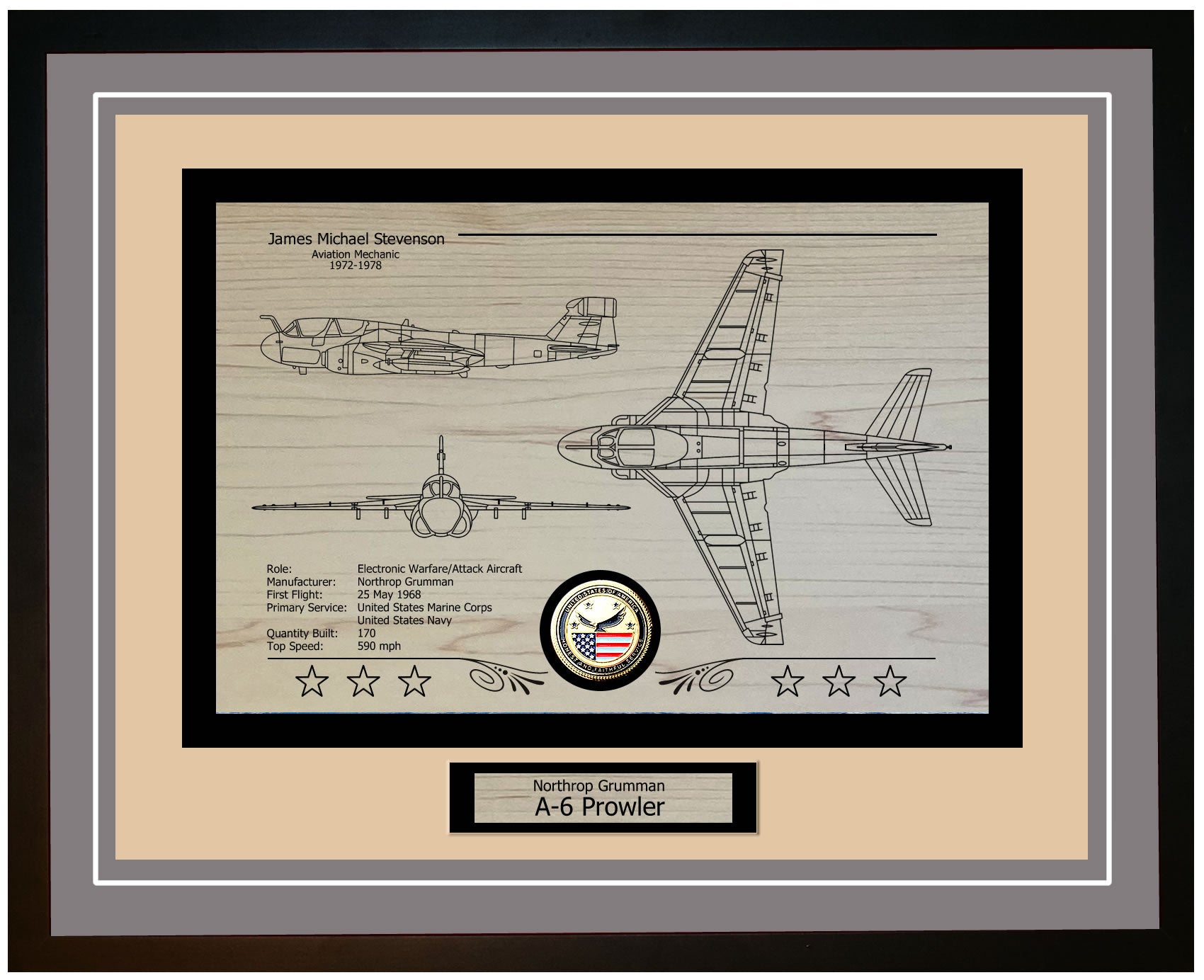
USS Gansevoort DD-608 Ship Specifications
| Specification | Details |
|---|---|
| Class | Benson Class Destroyer |
| Commissioned | August 25, 1942 |
| Displacement | 2,395 tons |
| Length | 348.3 feet |
| Beam | 36 feet |
| Draft | 13.1 feet |
| Speed | 35 knots |
| Complement | 208 |