
USS Hanson DD-832
The USS Hanson (DD-832) was a Gearing-class destroyer built for the United States Navy in the mid-20th century. Her keel was laid down on October 30, 1944, at Bath Iron Works in Bath, Maine, a shipyard famous for its top-notch shipbuilding. She was launched on March 11, 1945, and officially commissioned on July 11, 1945. Hanson was part of a larger effort to strengthen the naval fleet during World War II, though she was completed just as the war was ending.
Named after Major William D. Hanson, a brave Marine Corps officer awarded the Navy Cross posthumously for his heroism during the Battle of Guadalcanal, the ship carried his legacy with pride. Major Hanson's courage and leadership made naming the vessel after him a fitting tribute. The USS Hanson embodied his valor and dedication throughout her service.
One standout feature of the USS Hanson was her advanced radar and sonar systems, cutting-edge for their time. These systems helped her detect and track enemy submarines and aircraft with precision, boosting her offensive and defensive capabilities. She was armed with torpedoes, anti-aircraft guns, and depth charges, making her a versatile and formidable force in naval warfare.
The USS Hanson's legacy in the US Navy is marked by her extensive service during the Cold War, Korean War, and Vietnam War. She played a crucial role in various operations, including escort duties, anti-submarine warfare, and shore bombardment. Her participation in these conflicts highlighted the strategic importance of destroyers and showcased her adaptability to different combat scenarios. Hanson's service record is a testament to the enduring value of Gearing-class destroyers in the Navy's fleet.
The Gearing-class, to which Hanson belonged, was designed to improve upon the earlier Allen M. Sumner-class. With an extended hull, these ships had more fuel capacity and better seakeeping abilities, allowing them to operate effectively over long distances. This made them ideal for the extended patrols and escort missions typical of Cold War naval operations. The primary role of Gearing-class destroyers was to provide anti-submarine and anti-aircraft protection for larger vessels, like aircraft carriers and battleships, and to conduct independent offensive operations.
The commissioning of the USS Hanson on July 11, 1945, marked the start of a distinguished career spanning several decades. Her initial shakedown cruise took place in the Caribbean, where the crew conducted training exercises to prepare for deployment. Although World War II ended before Hanson saw combat, she quickly became a key part of the Navy's peacetime operations and later, its wartime efforts during the Korean and Vietnam Wars. Her commissioning represented the Navy's commitment to maintaining a strong and versatile fleet ready to tackle global challenges.

USS Hanson DD-832: Structure, Technology, Armament, and Weaponry
The USS Hanson (DD-832) was a Gearing-class destroyer, a class celebrated for its sturdy design and adaptability during World War II and the Cold War. At 390 feet long and 41 feet wide, it was a solid platform for various naval missions. Built with high-tensile steel, the ship was tough enough to handle combat's demands. Its superstructure housed advanced radar and communication systems, allowing the Hanson to coordinate effectively with other ships and command units. The ship's layout made it easy to access critical areas like the engine room, armory, and command center, boosting its operational efficiency.
Technologically, the USS Hanson was ahead of its time. It boasted advanced radar and sonar systems crucial for spotting enemy submarines and aircraft. The AN/SPS-6 air search radar and the AN/SQS-4 sonar system were key assets, giving the ship superior situational awareness. The Mark 37 Gun Fire Control System enhanced the accuracy of its main battery. These technologies enabled the Hanson to take on various roles, from anti-submarine warfare to surface combat and air defense.
When it came to armament, the USS Hanson was well-equipped to tackle multiple threats. Its primary weapons were six 5-inch/38 caliber dual-purpose guns in three twin turrets, capable of engaging both surface and air targets. The ship also had twelve 40mm Bofors anti-aircraft guns and eleven 20mm Oerlikon cannons, providing strong defense against enemy aircraft. This mix of weapons ensured the Hanson could protect itself and its fleet from aerial attacks, a significant threat during its service.
The Hanson's weaponry wasn't just about guns. It also included torpedoes and depth charges, essential for anti-submarine warfare. The ship had ten 21-inch torpedo tubes for launching Mark 15 torpedoes, effective against both surface ships and submarines. It also carried depth charge projectors and racks for deploying depth charges against submerged enemy submarines. This comprehensive arsenal made the USS Hanson a versatile and formidable asset in the US Navy's fleet.

Crew Accounts of Time Aboard
The USS Hanson (DD-832) holds a treasure trove of memories for its former crew members, spanning decades of service and numerous deployments. The guestbook posts from these sailors paint a vivid picture of life aboard this storied vessel, from the Mediterranean cruises of the late 1940s to the ship's final days in the early 1970s.
Howard Bennett's daughter, Kim, is eager to learn more about her father's time aboard the Hanson during the Mediterranean cruises from 1947 to 1950. This period marked the early post-World War II years, a time of rebuilding and maintaining a U.S. presence in Europe.
Richard Butler, who served as a Machinist's Mate (MR3) in 1972, recalls the ship's last WestPac (Western Pacific) cruise before it was handed over to the Republic of China (ROC) Navy. He describes it as a "hell of a cruise," filled with intense moments, including firing numerous 5-inch rounds and receiving return fire. Butler's sentiment is echoed by Thomas Lang, a Boatswain's Mate (BM3) who also served during the 1972 WestPac. Lang describes his time on the Hanson as the wildest of his three cruises over seven years.
Terry Gentner, a Senior Chief Sonar Technician (STGC), served aboard the Hanson in 1967 and retired in 1978 after 22 years of service. He fondly remembers reconnecting with old shipmates and the intense experiences at Quang Tre and Hon Mat.
Duncan Hinds, a Signalman (SM3) in 1965, reminisces about his first and second WestPac cruises, mentioning oil spills and roast beef as standout memories. He credits his time in the "tin-can" Navy with helping him grow into manhood.
Paul Johnson, an Electronics Technician (ETN2) in 1968, wishes he had kept a diary of his two years aboard the Hanson. He remembers the ship and his shipmates fondly and encourages anyone who remembers him to reach out.
Edward Pereira, who served as a Lieutenant and Chief Engineer in 1973, cherishes the memories and camaraderie he experienced on the Hanson. He invites any shipmates from 1972 and 1973 to get in touch.
William Riley, a Radarman (RD3) in 1965, is working on a brief history of the 1965 WestPac Cruise and plans to make it available on DVD. His efforts highlight the importance of preserving the ship's history for future generations.
David Sorondo, a Signalman (SM3) from 1963 to 1966, served alongside his brother and recalls that the Hanson had about five sets of brothers on board. He describes the ship as a great one and invites former shipmates to reach out.
Steven Arnone, a Personnelman (PN3) in 1966, worked in the ship's office handling service records for enlisted men. He has a keen memory for faces and names and encourages anyone who remembers him to email.
Keith Blalock, a Damage Controlman (DC2) in 1969, shares a dramatic memory of coming aboard the Hanson by helicopter in the Gulf of Tonkin and being thrown overboard in port San Diego by his shipmates Cameron, Lacey, and others.
William Carlson, a Lieutenant Junior Grade (LTJG) in 1968, reported aboard just before Christmas and was transferred off while the ship was in drydock in Subic Bay in December 1969. He later served on the CINCPAC staff in Hawaii until he left the service in 1972.
Dee Hinds, a Signalman (SM3) in 1965, speaks highly of the leadership of Commander Curtain and the mentorship he received from senior signalmen like David E. Barney, Mr. Mosely, and Mr. Halbert. He credits these men with teaching him valuable life lessons.
Eddie Long, a Hull Technician (HT3) in 1971, recalls his first cruise being the Hanson's last. He went on to retire from the Navy in 1991 after making 11 more trips, including during Desert Storm. His tours included service on various types of ships and staff positions.
Ron MacDonald, a Seaman (E-3) and gig coxswain from 1955 to 1959, fondly remembers his time in DesDiv 72, which included the Hanson, Stemble, Laws, and Taussig. He recalls painting Casper the Ghost on the stack.
David Vandover, a Lieutenant Junior Grade (LTJG) in 1971, served as the Main Propulsion Assistant and Gunnery Liaison Officer. He was also the Officer in Charge of the turnover of the USS Hanson to the Taiwanese Navy.
Robert Wittig, a Machinist's Mate Fireman (MMFN) in 1971, gives a shoutout to the crew of 1972, especially the "hole snipes." He vividly describes the intense operations in places like Haiphong Harbor, where all eight high-pressure steam turbine nozzles were used.
Mark Croshier is attempting to locate Robert Leman, a former Gunner's Mate and his ex-brother-in-law, who served on the Hanson with him. He requests any information that could help him reconnect.
These memories collectively capture the essence of life aboard the USS Hanson (DD-832), highlighting the camaraderie, challenges, and unforgettable experiences shared by its crew members over the years.

USS Hanson DD-832: Upgrades, Mission Capabilities, and Contribution to the Fleet
The USS Hanson (DD-832) was a remarkable ship that saw many changes over its service life, adapting to the ever-evolving needs of the U.S. Navy. Commissioned in 1945 as a Gearing-class destroyer, Hanson was initially equipped with cutting-edge radar and sonar systems, along with a robust array of anti-aircraft and anti-submarine weapons. In the 1960s, the ship underwent a major overhaul under the Fleet Rehabilitation and Modernization (FRAM) program. This upgrade brought in new sonar equipment, boosted its anti-submarine warfare (ASW) capabilities, and added the ASROC (Anti-Submarine Rocket) system. These improvements kept Hanson relevant and effective in a rapidly changing naval warfare environment.
Hanson's mission capabilities were as diverse as they were dynamic. Initially focused on anti-aircraft and anti-submarine warfare, the ship's role expanded to include surface warfare and shore bombardment. The FRAM upgrades further enhanced its ASW capabilities, making it a formidable opponent against Soviet submarines during the Cold War. The addition of the DASH (Drone Anti-Submarine Helicopter) system gave Hanson an extended reach in detecting and engaging underwater threats. This versatility allowed the ship to take on a wide range of missions, from convoy escort duties to direct combat operations, showcasing its adaptability and resilience.
The USS Hanson's contributions to the fleet were both substantial and multifaceted. During the Korean War, the ship provided crucial naval gunfire support for ground troops, earning several battle stars for its efforts. In the Vietnam War, Hanson was actively involved in Operation Sea Dragon, conducting naval bombardments against North Vietnamese targets and supporting carrier operations. The ship's advanced radar and sonar systems played a critical role in early warning and surveillance missions, enhancing the overall situational awareness of the fleet. Hanson's ability to adapt to new technologies and mission requirements made it an invaluable asset in various theaters of operation.
Throughout its service, the USS Hanson exemplified the adaptability and enduring value of the Gearing-class destroyers. Its numerous upgrades ensured that it remained a cutting-edge warship capable of meeting the demands of modern naval warfare. The ship's diverse mission capabilities and significant contributions to multiple conflicts underscored its importance within the U.S. Navy. By continually evolving to meet new challenges, the USS Hanson not only extended its own operational life but also set a standard for future naval vessels. Its legacy is a testament to the ingenuity and resilience of the U.S. Navy's engineering and strategic planning efforts.

USS Hanson DD-832: Deployments, Role in Major Conflicts, Awards, and Commendations
The USS Hanson (DD-832) had quite the journey, full of deployments and key roles in major conflicts. She was a Gearing-class destroyer, commissioned in 1945. Though she missed combat in World War II, she quickly became a vital part of the post-war Navy. Hanson was busy in Japan, handling occupation duties and patrolling the Western Pacific. In the late '40s and early '50s, she was a familiar sight in the Pacific, training and making port visits to boost American presence.
During the Korean War, Hanson was indispensable. She provided gunfire support for ground troops and took part in blockade and escort missions. Her firepower was crucial in engagements like the Inchon Landing and the Hungnam evacuation. Hanson's efforts earned her several commendations, including the Navy Unit Commendation and multiple battle stars. Her performance in Korea cemented her reputation as a reliable and powerful asset to the Navy.
In the '60s and '70s, Hanson was active in the Vietnam War. She showed her strength again, conducting shore bombardments, supporting ground operations, and participating in search and rescue missions. Her role was critical in operations like the Tet Offensive and the Easter Offensive. For her service in Vietnam, Hanson received multiple awards, including the Meritorious Unit Commendation and more battle stars, underscoring her significant contributions.
Throughout her service, Hanson collected numerous awards and commendations, a testament to her exceptional performance and her crew's dedication. Besides her Korean and Vietnam War honors, she was awarded the Armed Forces Expeditionary Medal for Cold War operations. Hanson's legacy is a tribute to the bravery and skill of her crew, and her history remains a proud chapter for the Navy. Her distinguished service record highlights the crucial role destroyers have played in American naval history, from World War II through the Cold War.
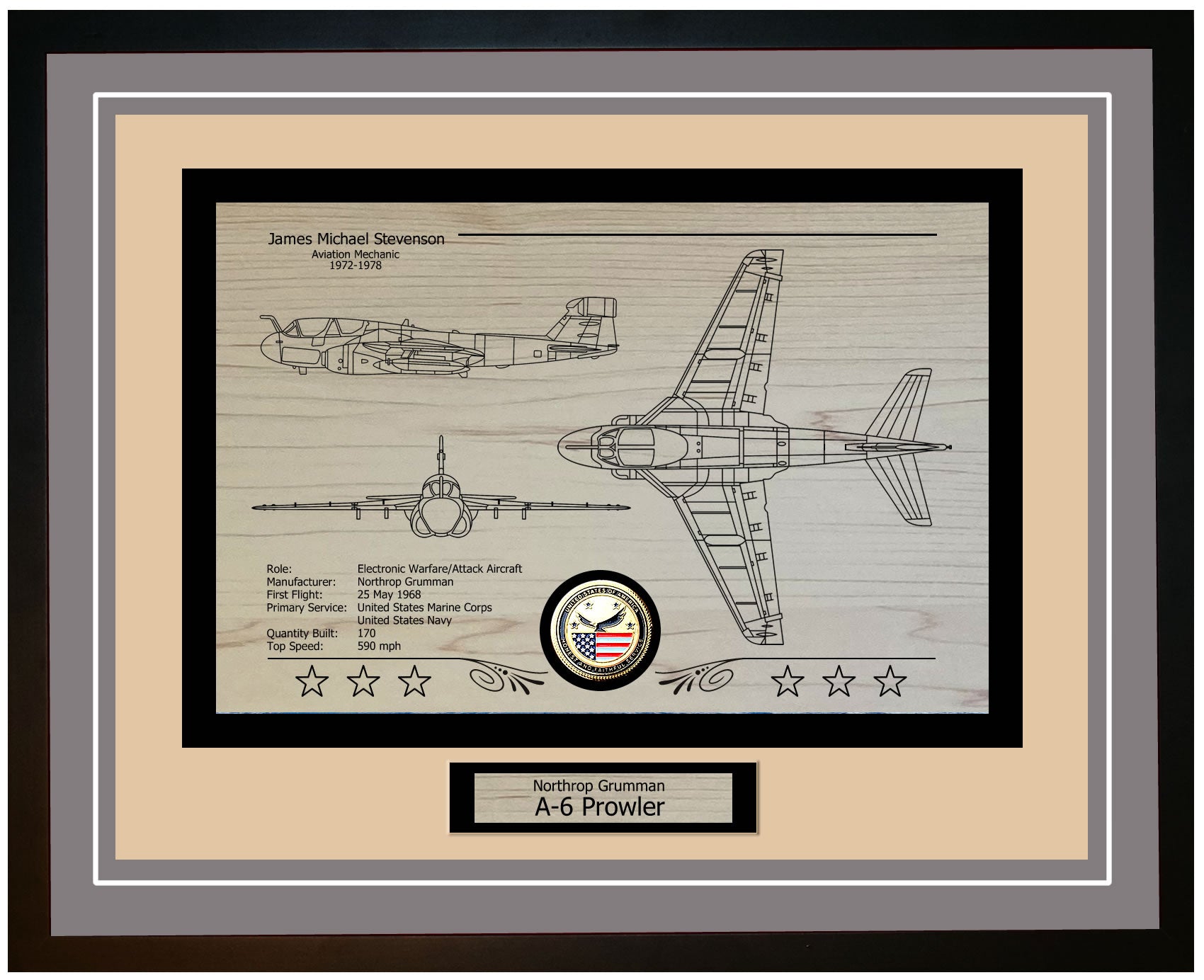
USS Hanson DD-832 Ship Specifications
| Specification | Details |
|---|---|
| Class | Gearing Class Destroyer |
| Commissioned | May 11, 1945 |
| Displacement | 3,460 tons |
| Length | 391 feet |
| Beam | 41 feet |
| Draft | 14.3 feet |
| Speed | 37 knots |
| Complement | 11 Officers 325 Enlisted |