
USS Ingersoll DD-652
The USS Ingersoll (DD-652) was a Fletcher-class destroyer built during World War II, a time of rapid naval growth and tech leaps. Her keel was laid on February 5, 1943, at Bath Iron Works in Bath, Maine, a shipyard famous for its top-notch work. She was launched on June 28, 1943, and joined the U.S. Navy on August 31, 1943. This ship was part of a big push to boost the Navy's strength against rising threats in both the Atlantic and Pacific.
Named after Rear Admiral Royal R. Ingersoll, the ship honored a man who made his mark during the Spanish-American War and World War I. His legacy of dedication and innovation was something the USS Ingersoll carried with pride. The ship's name was a nod to his impact on naval strategy and fleet modernization, ensuring it sailed into battle with a storied name.
The USS Ingersoll had all the hallmarks of a Fletcher-class destroyer. She packed five 5-inch/38 caliber guns, ten 21-inch torpedo tubes, and a range of anti-aircraft weapons, making her a tough adversary in both surface and air fights. Designed for speed and agility, she could hit 35 knots, ready for anything from escorting big ships to taking on enemy subs and planes.
The USS Ingersoll left a big mark on the U.S. Navy, playing a key role in many critical World War II operations. She was active in the Pacific Theater, crucial in battles like Leyte Gulf and Okinawa. Her performance in these fights showed off the Fletcher-class design's effectiveness and secured her spot in naval history. The ship's service record is a tribute to the bravery and skill of her crew, who faced tough and often dangerous conditions.
As part of the Fletcher-class, the USS Ingersoll was among the largest class of destroyers the U.S. built during World War II, with 175 ships completed. These ships were made to handle a wide range of tasks, from anti-submarine warfare to anti-aircraft defense and surface combat. The USS Ingersoll's design and capabilities met the strategic needs of the time, giving the Navy a reliable and adaptable platform for various missions.
When the USS Ingersoll was commissioned on August 31, 1943, it marked the start of her active service. Under Lieutenant Commander R. E. Braddy, she quickly became a key part of the fleet. The commissioning ceremony was a proud and hopeful moment as the crew got ready to take her into combat. The USS Ingersoll's service proved the worth of Fletcher-class destroyers and highlighted her contributions to the Allied victory in World War II.

USS Ingersoll DD-652: Structure, Technology, Armament, and Weaponry
The USS Ingersoll (DD-652) was a Fletcher-class destroyer, a class famous for its sturdy design and adaptability during World War II. It measured 376 feet 6 inches in length and had a beam of 39 feet 8 inches, making it a stable platform for various naval operations. Built with high-tensile steel, the ship struck a balance between strength and weight, allowing it to reach speeds of up to 35 knots. Its superstructure was cleverly designed to reduce radar visibility, a forward-thinking feature for its time, and included multiple levels for command and control, ensuring smooth operations during combat and patrol missions.
The USS Ingersoll was packed with cutting-edge technology for navigation, communication, and combat. It boasted advanced radar and sonar systems, crucial for spotting enemy ships and submarines. The SG surface search radar and SC air search radar provided a full picture of the surroundings, while the QHB sonar system was key for anti-submarine warfare. The ship also had a Mark 37 Gun Fire Control System, which combined radar and optical tracking to boost the accuracy of its main guns. These tech features made the USS Ingersoll a tough opponent in both surface and underwater battles.
The ship's armament was designed to tackle a variety of threats, making it a versatile tool in the US Navy's arsenal. Its main weapons were five 5-inch/38 caliber dual-purpose guns, capable of hitting both surface and air targets. These guns were mounted in single turrets, offering a wide field of fire and quick response to threats. The ship also had ten 21-inch torpedo tubes in two quintuple mounts, effective against larger enemy ships and adding a strong offensive punch to its arsenal.
The USS Ingersoll's weaponry included a range of anti-aircraft and anti-submarine systems. For air defense, it was armed with 40mm Bofors and 20mm Oerlikon cannons, providing layered protection against enemy aircraft. The 40mm Bofors were especially effective with their high rate of fire and explosive shells, while the 20mm Oerlikons offered close-in defense. For anti-submarine warfare, the ship was equipped with depth charge projectors and racks, along with the innovative Hedgehog anti-submarine mortar. The Hedgehog system allowed for precise and effective attacks on submerged submarines, greatly enhancing the ship's defensive capabilities. This comprehensive suite of weaponry ensured that the USS Ingersoll could effectively counter a wide range of threats, maintaining its status as a key component of the US Navy's fleet during World War II.

Crew Accounts of Time Aboard
The USS Ingersoll (DD-652) holds a special place in the hearts of its former crew members, as evidenced by the heartfelt memories shared in its guestbook. These recollections span from the ship's early days post-World War II to its final missions during the Vietnam War, painting a vivid picture of camaraderie, adventure, and the indelible impact of naval service.
Noel Cusimano, who served as a Machinist's Mate Second Class (MM2) in 1959, reflects on the enduring bonds formed aboard the Ingersoll. He expresses a longing to reconnect with shipmates, a sentiment echoed by many others. Ronald Hamlin, also an MM2 but from 1952, provides his granddaughter's email for contact, underscoring the importance of these connections even decades later.
Vernon King, who served in 1952 as a Machinist's Mate First Class (MM1), recalls his brief stint in the forward engine room before transferring to the Electronics Technician (ET) Gang. He fondly remembers his time with shipmates Hydorn, Fletcher, Graham, and Belfry. Similarly, John Rosser, a Radioman Seaman (RMSN) in 1962, reminisces about a convoy to the Panama Canal and back, describing his short but memorable service on the Ingersoll.
Elwin Stewart, a Sonar Technician (STG E-5) in 1965, highlights the leadership of Kenneth Park, the lead Sonarman, and describes his time on the Ingersoll as a high point in his life. Richard Van Demark, who served as a Machinist's Mate Third Class (MM3) in 1946, shares his sailor's heart and eagerness to reconnect with old friends, providing his cellphone number for contact.
Fred Jenkins, who served as an E4 in 1958, seeks anyone who might have known his uncle Dwayne, a machinist and gifted guitar player on the Ingersoll between 1958 and 1960. Crayton Leaich, a Gunner's Mate Third Class (GMG3) in 1966, details his responsibilities as a special sea and anchor helmsman and his role in maintaining and distributing weapons from the ship's armory.
Roger Link, a Radioman Third Class (RM3) in 1968, is looking for shipmates who boarded after July 1966 and might have medical conditions related to Agent Orange exposure. William Martindale, a Gunner's Mate Second Class (GMG-2) in 1965, invites conversations about the 1965 Westpac Deployment and the journey up the Saigon River, offering his phone number for contact.
Ronald McHaney, an E3 in 1968, fondly remembers playing guitar and card games with friends from the Supply Division, hoping to reconnect with them. Richard Shields, a Yeoman (YM) in 1960, seeks information about his uncle, Richard "Dick" Shields, who served on the Ingersoll in the early 1960s.
Dan Speights, a Boatswain's Mate Third Class (BM3) in 1963, contrasts his time on the Ingersoll with his previous ship, the USS Bolster, noting the consistent camaraderie among sailors. Oscar Amoroso, who served in 1966, cherishes his time on the Ingersoll, from boarding at the 32nd Naval Station in San Diego to its decommissioning in 1970, and hopes to attend a reunion someday.
Larry Graham, who served in 1952, encourages shipmates to join the USS Ingersoll Vets and provides a website for connection. Ronnie Emmulsen, who served in 1945, expresses a desire to hear from shipmates from his era, highlighting the long-lasting bonds formed on the ship.
Robert Bascue, who served in 1965, shares a humorous and vivid memory of the Ingersoll's journey to Vietnam. He recalls the ship backing across San Diego Bay and into the bottom, the subsequent drydock repairs in Long Beach, and the Captain's fascination with Japanese glass fishing net floats. His email is provided for those who shared this experience.
These memories collectively illustrate the USS Ingersoll's rich history and the profound impact it had on those who served aboard her. The ship was more than just a vessel; it was a home where lifelong friendships were forged, and unforgettable experiences were shared.

USS Ingersoll DD-652: Upgrades, Mission Capabilities, and Contribution to the Fleet
The USS Ingersoll (DD-652) was a Fletcher-class destroyer that saw some serious action and upgrades during its time. Commissioned in 1943, it started with five 5-inch/38 caliber guns, ten 21-inch torpedo tubes, and a mix of anti-aircraft weapons. As naval warfare changed, so did the Ingersoll. During World War II, it got better radar and sonar systems, boosting its ability to spot and take on enemy subs and planes. After the war, it was fitted with more advanced anti-submarine warfare gear and improved fire control systems, keeping it sharp and ready for action.
The Ingersoll was a jack-of-all-trades, reflecting the flexible nature of Fletcher-class destroyers. It was built for anti-aircraft and anti-submarine warfare but could also handle surface combat and shore bombardment. In World War II, it was key in big operations like the Battle of Leyte Gulf and the invasion of Okinawa. It provided crucial naval gunfire support, protected bigger ships from enemy subs, and took on enemy ships directly. The Ingersoll showed its versatility again during the Korean War, offering gunfire support for ground troops and taking part in blockade and escort missions.
The USS Ingersoll made a lasting impact on the fleet. It earned 11 battle stars in World War II, proving its active and effective role in many combat operations. Its part in the Battle of Leyte Gulf, one of the biggest naval battles ever, was especially impressive. The Ingersoll's anti-aircraft skills helped shield Allied forces from kamikaze attacks, and its surface combat abilities helped sink several Japanese ships. After the war, the Ingersoll kept up its good work, joining in training exercises and fleet maneuvers that kept the U.S. Navy ready and effective during the early Cold War years.
The USS Ingersoll (DD-652) was a shining example of the adaptability and toughness of Fletcher-class destroyers. With continuous upgrades, it stayed relevant and combat-ready through decades and conflicts. Its wide-ranging mission capabilities, from anti-submarine warfare to shore bombardment, made it a versatile and valuable fleet asset. The Ingersoll's contributions to the U.S. Navy were significant, earning it a special place in naval history and highlighting the need for a modern and adaptable naval force.

USS Ingersoll DD-652: Deployments, Role in Major Conflicts, Awards, and Commendations
The USS Ingersoll (DD-652) was a remarkable ship with a storied service record. Commissioned in 1943, this Fletcher-class destroyer quickly found herself in the thick of World War II. She was sent to the Pacific Theater, where she played a key role in several major operations. One of her most notable contributions was during the Battle of Leyte Gulf, one of the largest naval battles ever. There, she provided crucial anti-aircraft and anti-submarine support, helping to protect larger ships and ensure the success of amphibious landings.
When the Korean War broke out, the USS Ingersoll was recommissioned and sent back into action. She operated off the Korean Peninsula, taking on various roles like shore bombardment, escort duties, and anti-submarine warfare. Her versatility and firepower were vital in supporting United Nations forces during critical moments of the conflict. The Ingersoll's ability to adapt to different combat scenarios highlighted her value as a multi-role vessel, capable of both offensive and defensive operations.
The USS Ingersoll's service was well-recognized. During World War II, she earned 11 battle stars, a testament to her active and effective participation in numerous engagements. Her Korean War service was also commendable, earning her an additional two battle stars. These honors reflect the ship's consistent performance and the bravery of her crew. The Ingersoll also received the Navy Unit Commendation for exceptional service during specific operations.
Beyond her battle stars and unit commendations, the USS Ingersoll was celebrated for her overall excellence in naval operations. She was awarded the Navy E Ribbon, given to ships that demonstrate superior performance in areas like battle efficiency and engineering. The Ingersoll's legacy is one of dedication, resilience, and exemplary service. Her history is a proud chapter in the story of the United States Navy, showcasing the vital role destroyers play in both wartime and peacetime.
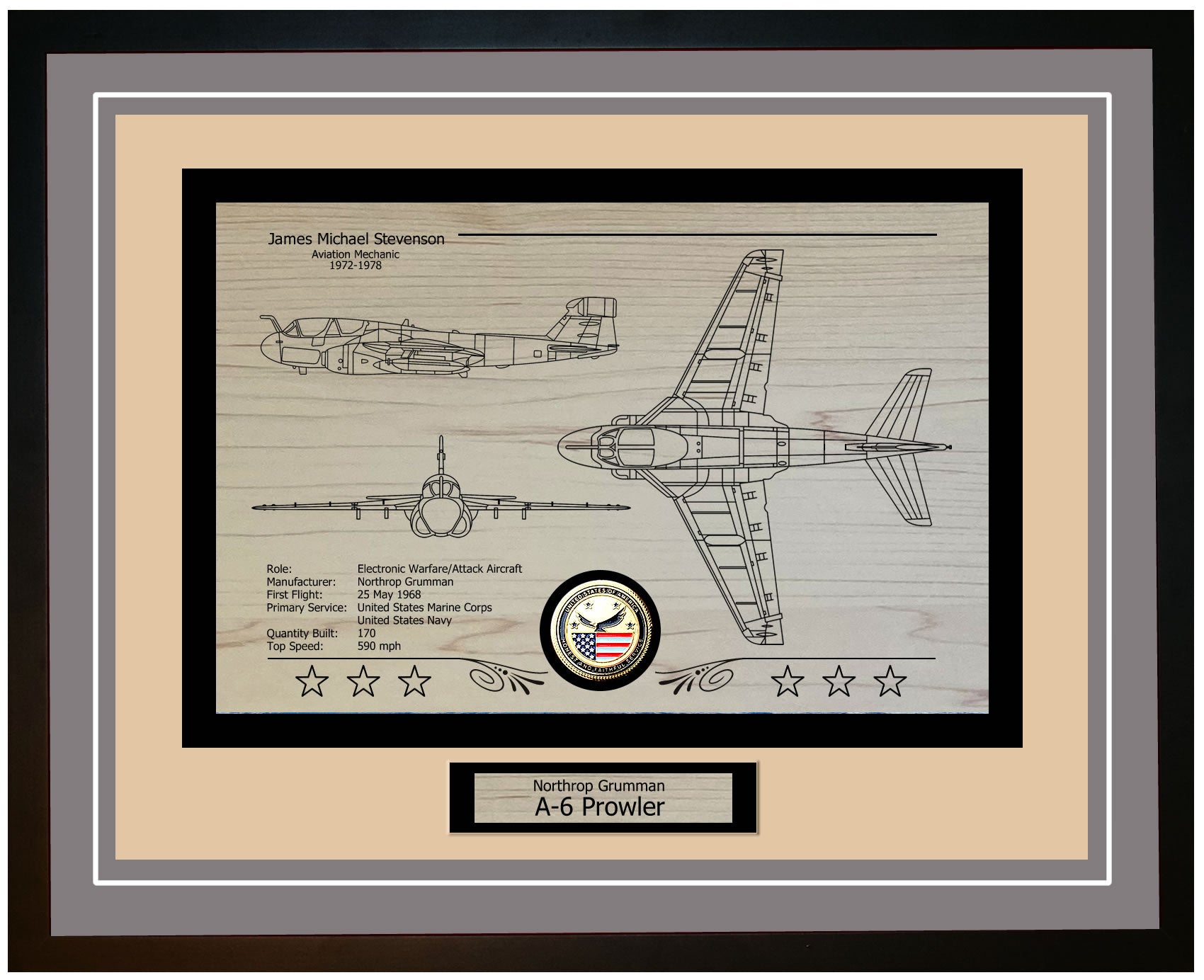
USS Ingersoll DD-652 Ship Specifications
| Specification | Details |
|---|---|
| Class | Fletcher Class Destroyer |
| Commissioned | August 31, 1943 |
| Displacement | 2,924 tons |
| Length | 377 feet |
| Beam | 40 feet |
| Draft | 13.8 feet |
| Speed | 38 knots |
| Complement | 9 Officers 264 Enlisted |