
USS Janssen DE-396
The USS Janssen (DE-396) was a John C. Butler-class destroyer escort built during World War II. Her keel was laid down on August 4, 1943, at the Brown Shipbuilding Company in Houston, Texas. This shipyard was one of many that ramped up production to meet the urgent demands of the war effort. The USS Janssen was launched on October 20, 1943, and officially commissioned into the United States Navy on January 18, 1944. Her construction was part of a broader strategy to boost the Navy's anti-submarine warfare capabilities, crucial for protecting Allied convoys from German U-boats.
The ship was named in honor of Ensign Robert Janssen, a naval aviator posthumously awarded the Navy Cross for his heroism during the Battle of Midway. Ensign Janssen's bravery and sacrifice were emblematic of the courage displayed by many young men during the war. Naming the ship after him was a tribute to his valor. His legacy lived on through the vessel, which played a significant role in various naval operations throughout its service.
The USS Janssen was equipped with three 3-inch/50 caliber guns, two twin 40 mm anti-aircraft guns, and ten 20 mm anti-aircraft guns. She also had three 21-inch torpedo tubes and depth charge projectors, making her a formidable opponent against enemy submarines. Her design featured a streamlined hull and a powerful propulsion system, allowing her to reach speeds of up to 24 knots. These features made the USS Janssen an effective convoy escort and a valuable asset in the Navy's anti-submarine efforts.
The legacy of the USS Janssen is significant, representing the broader contributions of destroyer escorts during World War II. These ships were essential in safeguarding Allied shipping lanes and ensuring the safe passage of troops and supplies across the Atlantic and Pacific Oceans. The USS Janssen, like many of her sister ships, played a crucial role in the eventual Allied victory by providing much-needed protection against the persistent threat of enemy submarines. Her service exemplified the importance of destroyer escorts in maintaining naval superiority and securing maritime routes.
The USS Janssen was part of the John C. Butler-class, designed specifically for anti-submarine warfare. The primary purpose of these vessels was to protect convoys from submarine attacks and to hunt down and destroy enemy submarines. The John C. Butler-class ships were smaller and more maneuverable than traditional destroyers, making them well-suited for their role as escorts. Their design emphasized speed, agility, and firepower, critical in countering the submarine threat. The USS Janssen and her sister ships were instrumental in the Navy's efforts to maintain control of the seas during the war.
The commissioning of the USS Janssen on January 18, 1944, marked the beginning of her active service in the US Navy. She was quickly deployed to the Atlantic Theater, participating in numerous convoy escort missions and anti-submarine patrols. The crew of the USS Janssen underwent rigorous training to prepare for the challenges they would face, and their dedication and skill were evident in the ship's successful operations. The commissioning of the USS Janssen was a testament to the Navy's commitment to strengthening its fleet and enhancing its capabilities during a critical period in the war.

USS Janssen DE-396: Structure, Technology, Armament, and Weaponry
The USS Janssen (DE-396) was a John C. Butler-class destroyer escort, a class celebrated for its sturdy and adaptable design during World War II. At 306 feet long and with a beam of 36.75 feet, it struck a great balance between speed and stability. Its hull, made from welded steel, was tough and light, making it more agile. The superstructure was built to house cutting-edge radar and communication systems, so it could work seamlessly with other ships and command units during missions.
The USS Janssen was packed with the latest tech of its time. It had advanced radar systems, like the SL surface search radar and the SA air search radar, crucial for spotting enemy ships and planes. It also had sonar systems to track submarines, a must-have given the German U-boat threat. Its communication gear, including high-frequency radios, ensured secure and reliable contact with other naval units and command centers.
When it came to armament, the USS Janssen was ready for anything. It had two 5-inch/38 caliber dual-purpose guns, perfect for both surface and air targets. These guns were in single turrets, one at the front and one at the back, giving it a wide firing range. The ship also had twin 40mm Bofors anti-aircraft guns and ten 20mm Oerlikon cannons, providing strong defense against enemy aircraft. This mix of weapons meant the Janssen could protect itself and its convoy from aerial attacks.
The USS Janssen's anti-submarine warfare (ASW) capabilities were top-notch, crucial for its role as a destroyer escort. It had depth charge projectors, known as "K-guns," and depth charge tracks to launch explosive charges at enemy subs. Plus, it featured a Hedgehog anti-submarine mortar, a forward-throwing weapon that launched a pattern of explosives to boost the chances of a hit. This robust ASW arsenal made the USS Janssen a tough opponent against underwater threats, keeping the convoys it escorted safe across the dangerous Atlantic waters.


USS Janssen DE-396: Upgrades, Mission Capabilities, and Contribution to the Fleet
The USS Janssen (DE-396) was a remarkable ship in the U.S. Navy, constantly evolving to meet new challenges. Commissioned during World War II, it was initially armed with cutting-edge anti-submarine warfare (ASW) technology, like depth charge projectors and hedgehog mortars. As technology advanced, the Janssen got regular upgrades, adding new radar systems, sonar, and better communication tools. These improvements boosted its ability to detect and track threats, and helped it work seamlessly with other ships and aircraft.
The ship's missions changed as its technology did. Originally an escort destroyer, its main job was to protect convoys from submarines during World War II. But as naval warfare evolved, so did the Janssen's role. During the Cold War, it took on more diverse missions, including anti-aircraft defense, surface warfare, and electronic surveillance. With advanced weapons and sensors, it could handle multiple threats, making it a versatile and valuable asset.
The USS Janssen made significant contributions to the fleet. In World War II, it was crucial in protecting Allied shipping lanes in the Atlantic, ensuring troops and supplies reached their destinations safely. Its anti-submarine efforts were key in neutralizing the U-boat threat, aiding the Allied naval strategy. After the war, the Janssen continued to serve with distinction, taking part in training exercises, patrols, and joint operations with allied navies. Its presence in strategic areas highlighted the U.S. Navy's commitment to maritime security and global power projection.
Throughout its service, the USS Janssen embodied the adaptability and resilience of U.S. Navy escort destroyers. By continually upgrading its systems and expanding its mission capabilities, it stayed relevant and valuable for decades. Its legacy is a testament to the importance of innovation and flexibility in naval operations. The Janssen not only achieved its immediate goals but also played a part in the broader objectives of maritime dominance and global stability, leaving a lasting mark on naval history.

USS Janssen DE-396: Deployments, Role in Major Conflicts, Awards, and Commendations
USS Janssen (DE-396) was a key player in World War II naval operations. Commissioned in 1943, she was tasked with escorting convoys across the dangerous Atlantic. These missions were vital for getting troops, equipment, and supplies to Europe. With advanced sonar and radar, Janssen was a skilled hunter of German U-boats, playing a crucial role in the Allied anti-submarine strategy. Her crew showed incredible bravery, often facing enemy threats head-on.
During the Battle of the Atlantic, Janssen had several encounters with enemy submarines. In early 1944, she detected a German U-boat trying to attack a convoy. Using depth charges, Janssen forced the sub to surface, where her deck guns finished the job. This victory protected the convoy and boosted Allied morale. Janssen earned a reputation as a tough escort, capable of both defense and offense.
Janssen also took part in amphibious operations, supporting the invasions of Normandy and Southern France. She escorted landing craft, provided gunfire support, and ensured reinforcements and supplies reached the beachheads safely. Her versatility and reliability were crucial to these high-stakes missions. American and Allied commanders praised her crew for their professionalism and dedication.
Throughout her service, USS Janssen received several awards, highlighting her contributions to the war effort. She earned the American Campaign Medal, the European-African-Middle Eastern Campaign Medal with multiple battle stars, and the World War II Victory Medal. These honors reflect her operational excellence and the bravery of her crew. The legacy of USS Janssen (DE-396) is a proud chapter in U.S. Navy history, showcasing the courage and skill that helped secure victory in World War II.
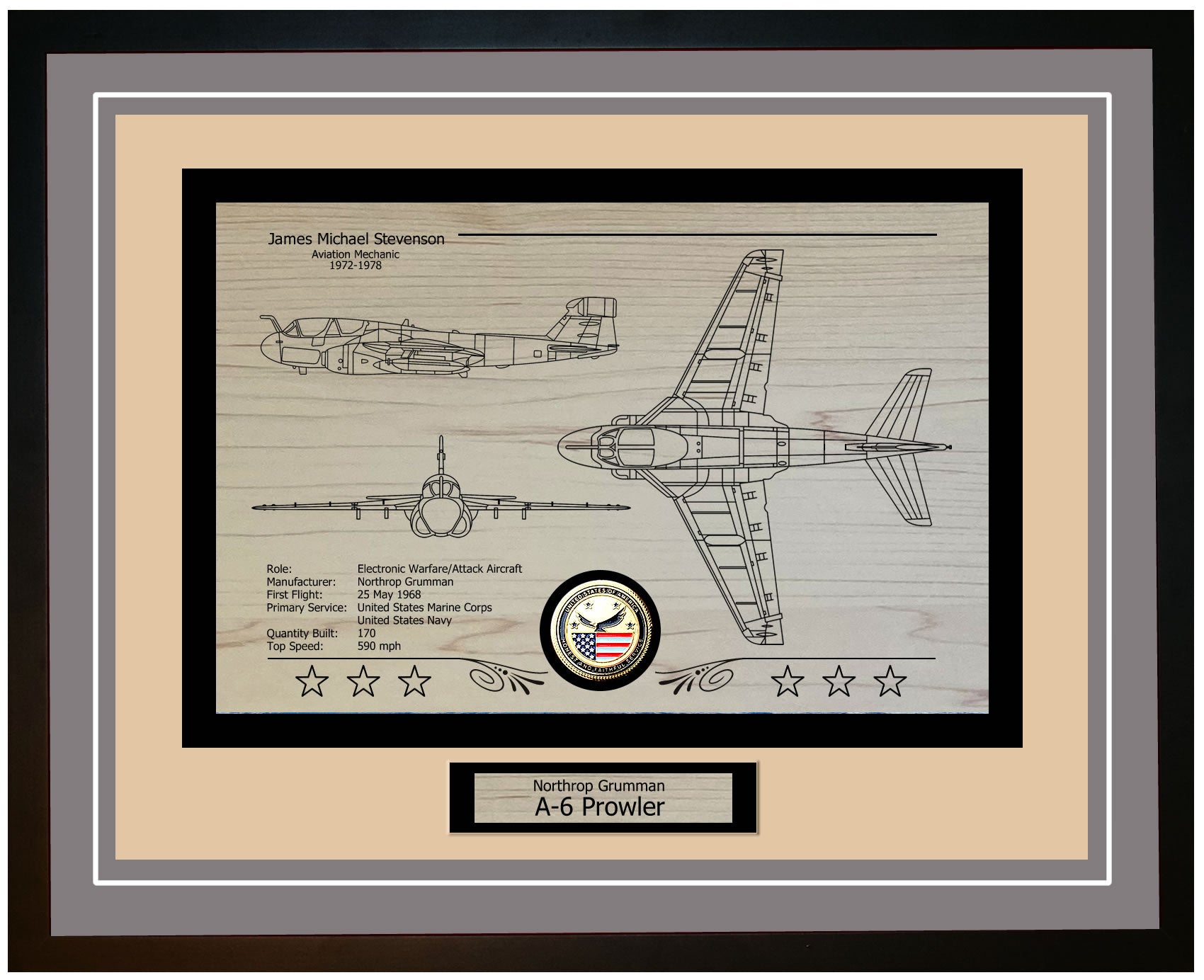
USS Janssen DE-396 Ship Specifications
| Specification | Details |
|---|---|
| Class | Edsall Class Destroyer Escort |
| Commissioned | December 18, 1943 |
| Displacement | 1,590 tons |
| Length | 306 feet |
| Beam | 36.8 feet |
| Draft | 12.3 feet |
| Speed | 21 knots |
| Complement | 209 |