
USS John Rodgers DD-574
The USS John Rodgers (DD-574) was a Fletcher-class destroyer built during World War II, a time of rapid naval growth and tech leaps. Her keel was laid on March 25, 1942, at the Consolidated Steel Corporation shipyard in Orange, Texas. This shipyard was one of many across the U.S. that sprang into action to meet the urgent need for naval ships. She was launched on September 7, 1942, and commissioned on February 9, 1943. Her construction showcased American industrial might and the nation's resolve to win the war.
Named after three generations of naval officers, all named John Rodgers, the ship carried a legacy of service. The first John Rodgers was a key figure in the early 19th century, known for his roles in the War of 1812 and the Barbary Wars. His son, also John Rodgers, served with distinction during the Civil War and helped develop the Navy's ironclad fleet. The third John Rodgers, a grandson, was a pioneering aviator and naval officer who made significant contributions to naval aviation. The USS John Rodgers embodied their legacy, symbolizing a lineage of dedication to the nation.
As a Fletcher-class destroyer, the USS John Rodgers had features that set her apart. The Fletcher-class was famous for its versatility, speed, and firepower. She was armed with five 5-inch/38 caliber guns, ten 21-inch torpedo tubes, and a range of anti-aircraft weapons, making her a formidable opponent in both surface and air battles. Her design included advanced radar and sonar systems, boosting her ability to detect and track enemy ships and aircraft. These features made her a vital asset in the Navy's efforts to control the seas during World War II.
The USS John Rodgers left a mark on the US Navy with her significant contributions during World War II. She took part in many Pacific campaigns, including the Battle of Leyte Gulf, one of the largest naval battles ever. She provided crucial support in anti-submarine warfare, shore bombardments, and escort duties, showcasing the versatility and effectiveness of Fletcher-class destroyers. Her service record is a testament to the bravery and skill of her crew, who played a vital role in the Allied victory in the Pacific.
Fletcher-class destroyers, like the USS John Rodgers, were designed for a wide range of missions, including anti-submarine warfare, anti-aircraft defense, and surface combat. These ships were the backbone of the US Navy's destroyer fleet during World War II, with 175 vessels built between 1941 and 1944. Known for their robust construction, high speed, and heavy armament, they were well-suited for the diverse and demanding roles they had to fulfill. The USS John Rodgers exemplified the class's capabilities and played a crucial role in the Navy's operations throughout the war.
The commissioning of the USS John Rodgers on February 9, 1943, marked the start of her active service in the US Navy. Under the command of Lieutenant Commander J. W. Cooper, she embarked on her maiden voyage and quickly became an integral part of the Navy's efforts in the Pacific Theater. The commissioning ceremony was a moment of pride and anticipation as the ship and her crew prepared to join the fight against the Axis powers. The USS John Rodgers would go on to serve with distinction, earning numerous battle stars and commendations for her performance in combat.

USS John Rodgers DD-574: Structure, Technology, Armament, and Weaponry
The USS John Rodgers (DD-574) was a Fletcher-class destroyer, a class famous for its sturdy design and versatility during World War II. It was 376 feet 6 inches long, with a beam of 39 feet 8 inches, and a draft of 17 feet 9 inches. This design let the ship hit a top speed of 35 knots, thanks to its four General Electric steam turbines and four Babcock & Wilcox boilers. Built with high-tensile steel, the hull was tough enough to handle the harsh conditions of battle. The ship's superstructure was crafted to boost visibility and command efficiency, featuring an elevated bridge and multiple observation points.
The USS John Rodgers was packed with cutting-edge tech for its time. It had advanced radar and sonar systems, like the SG surface search radar and the SC air search radar, which really boosted its detection capabilities. These systems let the destroyer spot and track enemy ships and planes from far away, giving it a tactical edge in both attack and defense. Plus, it had a top-notch communication suite, making it easy to coordinate with other naval units and command centers. All this tech made the USS John Rodgers a powerhouse in the US Navy's fleet.
The ship's armament was all about balance, mixing offensive and defensive firepower. Its main weapons were five 5-inch/38 caliber dual-purpose guns, perfect for taking on both surface and air targets. These guns were in single turrets, with two up front, two in the back, and one in the middle, offering a wide range of firing angles. The ship also had a bunch of anti-aircraft weapons, including ten 40mm Bofors guns and seven 20mm Oerlikon cannons. This mix of weapons meant the USS John Rodgers could handle both surface threats and aerial attacks with ease.
Besides its guns, the USS John Rodgers was armed with torpedoes and depth charges, boosting its anti-submarine warfare capabilities. It had ten 21-inch torpedo tubes in two quintuple mounts, ready to launch the Mark 15 torpedo, effective against both surface ships and submarines. For anti-submarine missions, the destroyer was equipped with depth charge projectors and racks, letting it deploy depth charges in patterns to maximize the chance of a hit. This wide array of weaponry meant the USS John Rodgers could take on many combat roles, from escorting convoys to battling enemy fleets and conducting anti-submarine patrols.


USS John Rodgers DD-574: Upgrades, Mission Capabilities, and Contribution to the Fleet
The USS John Rodgers (DD-574) was a Fletcher-class destroyer that saw some serious action and upgrades during its time. Commissioned in 1943, this ship was initially armed with five 5-inch/38 caliber guns, ten 21-inch torpedo tubes, and a variety of anti-aircraft weapons. As World War II progressed, the John Rodgers got some tech boosts, like improved radar and sonar systems, which helped it spot and take on enemy subs and aircraft. It also got better fire control systems and beefed-up anti-aircraft armament, including twin 40mm Bofors and 20mm Oerlikon cannons, making it a formidable force.
The USS John Rodgers was a jack-of-all-trades, reflecting the diverse roles destroyers played in the U.S. Navy. It was built for anti-submarine warfare (ASW), anti-aircraft warfare (AAW), and surface action. The ship's ASW capabilities were top-notch, thanks to depth charge projectors and hedgehog anti-submarine mortars, which made it a nightmare for U-boats in both the Atlantic and Pacific. Its speed and agility made it perfect for escorting larger ships, like aircraft carriers and convoys, keeping them safe from enemy threats.
Throughout its service, the USS John Rodgers was a key player in many critical operations. During World War II, it took part in major battles like the Battle of Leyte Gulf and the Battle of Okinawa, providing essential fire support and screening for bigger ships. These battles showed just how crucial destroyers were, with their speed, firepower, and versatility. The John Rodgers also excelled in shore bombardment missions, helping with amphibious landings by softening enemy defenses and covering advancing troops.
After World War II, the USS John Rodgers continued to serve with distinction during the early Cold War. It took part in various training exercises and fleet maneuvers, staying sharp and ready. Although it was decommissioned in 1957, the legacy of the USS John Rodgers lives on, showcasing the adaptability and resilience of Fletcher-class destroyers. These ships were vital in securing Allied victory and maintaining post-war maritime security.

USS John Rodgers DD-574: Deployments, Role in Major Conflicts, Awards, and Commendations
The USS John Rodgers (DD-574) was a real powerhouse during World War II. Commissioned in 1943, this Fletcher-class destroyer jumped right into the action in the Pacific. It started by escorting convoys and hunting submarines, making sure Allied ships got through safely. As the war heated up, the John Rodgers took on bigger challenges, like the Battle of Leyte Gulf and the invasion of Okinawa. These missions showed just how versatile and crucial this ship was in the fight against Imperial Japan.
At the Battle of Leyte Gulf, one of the biggest naval battles ever, the John Rodgers was a key player. It provided anti-aircraft support and protected larger ships. The crew was top-notch, taking on enemy planes and ships with skill and courage. During the invasion of Okinawa, the ship was right in the thick of it again, offering gunfire support, hitting enemy positions, and fending off kamikaze attacks. These efforts were vital in pushing toward victory and bringing the war to a close.
The John Rodgers' service didn't go unnoticed. It racked up 12 battle stars for its World War II service, a clear sign of its active role in many battles. The crew also earned the Navy Unit Commendation for their outstanding work at Leyte Gulf. These awards highlight not just the ship's success but also the bravery and dedication of its crew, who faced danger head-on.
After the war, the John Rodgers continued to serve, though in a quieter capacity. It was decommissioned in 1946 but found a new life in the Mexican Navy in 1968 as ARM Cuitláhuac (E-02). Even then, it remained a valuable asset, helping with maritime security and training. The legacy of the USS John Rodgers, with its combat achievements and numerous accolades, is a proud part of naval history, showing the lasting impact of this remarkable destroyer.
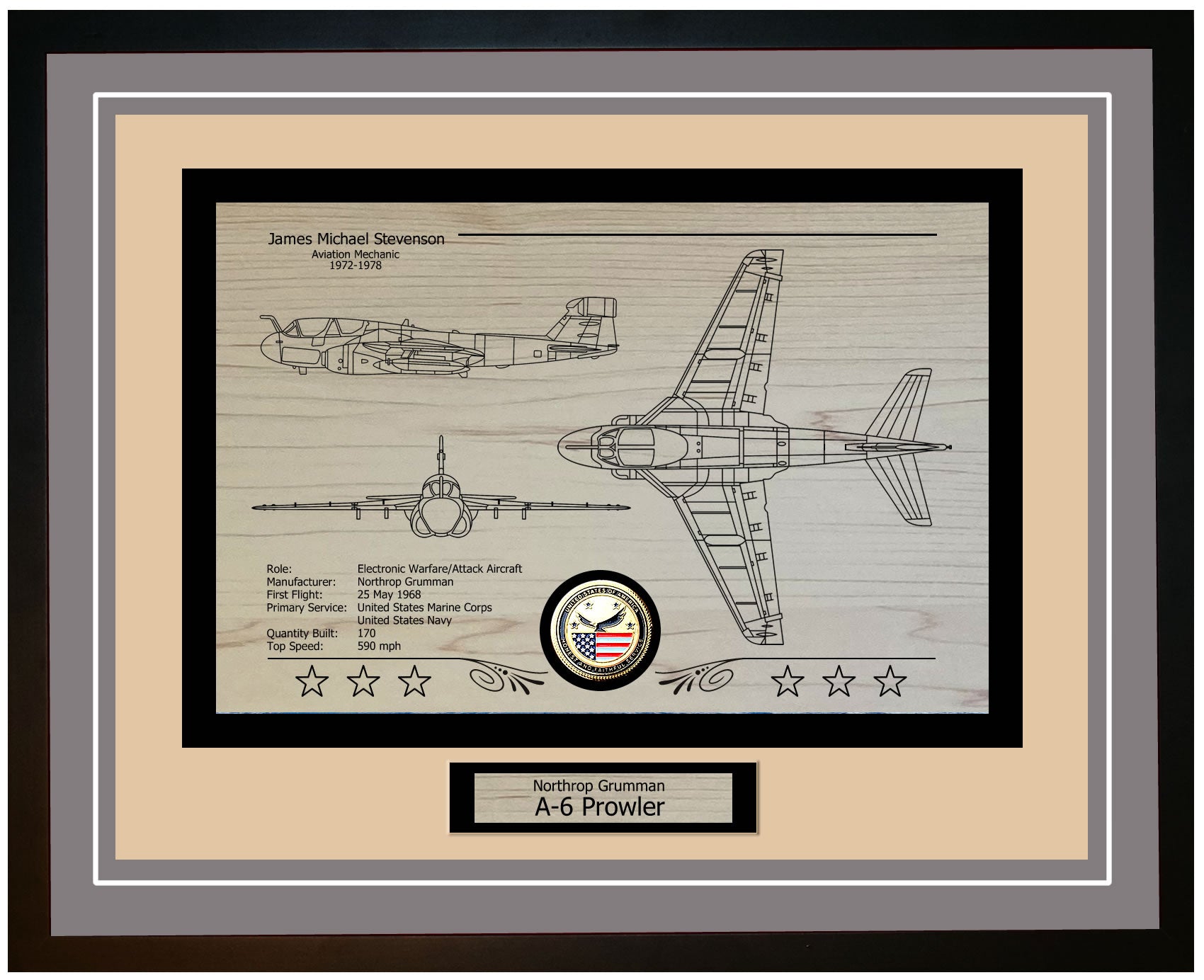
USS John Rodgers DD-574 Ship Specifications
| Specification | Details |
|---|---|
| Class | Fletcher Class Destroyer |
| Commissioned | February 9, 1943 |
| Displacement | 2,924 tons |
| Length | 377 feet |
| Beam | 40 feet |
| Draft | 13.8 feet |
| Speed | 38 knots |
| Complement | 9 Officers 264 Enlisted |