
USS John S Mccain DDG-56
The USS John S. McCain (DDG-56) is an Arleigh Burke-class guided-missile destroyer in the U.S. Navy. Built by Bath Iron Works in Bath, Maine, this shipyard is famous for crafting top-notch naval vessels. The keel was laid on September 3, 1991, and the ship launched on September 26, 1992. It's a marvel of modern engineering, blending advanced tech and materials for durability, stealth, and combat prowess. The design uses a mix of steel and aluminum, striking a balance between strength and weight for better speed and agility.
This ship honors three generations of the McCain family, each leaving a mark on the Navy. Admiral John S. McCain Sr. was a World War II carrier task force commander. Admiral John S. McCain Jr. was a notable submarine commander and later led the U.S. Pacific Command. Senator John S. McCain III, a naval aviator and Vietnam War POW, went on to serve as a U.S. Senator. Their legacy is woven into the fabric of the Navy and the nation.
The USS John S. McCain stands out with its Aegis Combat System, a powerhouse of radar and missile tech for air defense. It features the AN/SPY-1D radar, tracking multiple targets at once, and the Vertical Launching System (VLS) for firing missiles like the Standard Missile (SM-2), Tomahawk cruise missiles, and anti-submarine rockets. With advanced electronic warfare systems, torpedoes, and a helicopter deck, it's a versatile force in naval operations.
This ship's legacy is rich with active participation in missions and exercises. It's been deployed to the Western Pacific, Indian Ocean, and Persian Gulf, tackling tasks from maritime security and anti-piracy to humanitarian aid and disaster relief. Its presence in these regions highlights its role in global maritime stability and projecting American naval power.
As part of the Arleigh Burke-class, the USS John S. McCain is built for multi-mission roles, including anti-aircraft, anti-submarine, and anti-surface warfare. Named after Admiral Arleigh Burke, a decorated World War II destroyer commander and former Chief of Naval Operations, these destroyers are key to fleet defense and power projection. They're vital to carrier strike groups and expeditionary strike groups, forming the backbone of the modern U.S. Navy.
The USS John S. McCain was commissioned on July 2, 1994, at Bath Iron Works. This ceremony marked its entry into active service, ready to protect American interests at sea. Attended by dignitaries, naval officers, and the McCain family, it symbolized the ship's commitment to uphold Navy values and traditions. Since then, the USS John S. McCain has served with distinction, embodying the spirit of its namesakes and the enduring strength of the U.S. Navy.

USS John S Mccain DDG-56: Structure, Technology, Armament, and Weaponry
The USS John S. McCain (DDG-56) is an Arleigh Burke-class guided-missile destroyer, known for its versatility and tough design. Built with high-strength steel, it's made to handle the roughest seas. Its superstructure is crafted to reduce radar visibility, making it stealthy. At about 505 feet long and 66 feet wide, it strikes a balance between speed, agility, and stability. Fully loaded, it displaces around 9,200 tons, packed with advanced weapons, sensors, and systems.
Tech-wise, the USS John S. McCain is a powerhouse. It features the Aegis Combat System, a cutting-edge setup that uses powerful computers and radars to track and guide weapons to enemy targets. The SPY-1D radar enhances its air and surface search capabilities. With the Cooperative Engagement Capability (CEC), it can share radar and targeting info with other CEC-equipped ships and aircraft, boosting situational awareness and defense coordination. Its propulsion system, powered by four General Electric LM2500 gas turbines, delivers 100,000 shaft horsepower, pushing the ship to speeds over 30 knots.
When it comes to armament, the USS John S. McCain is ready for anything. Its main offensive weapon is the Vertical Launch System (VLS), which can hold up to 96 missiles, including Tomahawk Land Attack Missiles (TLAM), Standard Missiles (SM-2), and Evolved Sea Sparrow Missiles (ESSM). These missiles let the ship engage targets on land, in the air, and at sea. It also has two Mk 141 Harpoon missile launchers for anti-ship warfare. For close-in defense, the Phalanx Close-In Weapon System (CIWS) is on board, a rapid-fire, radar-guided gun system that can take out incoming threats like missiles and aircraft.
The USS John S. McCain is also equipped for anti-submarine warfare (ASW). It has the AN/SQQ-89(V) sonar suite, with both hull-mounted and towed array sonar systems to detect and track submarines. Its ASW arsenal includes torpedoes launched from two Mk 32 triple torpedo tubes and the RUM-139 Vertical Launch Anti-Submarine Rocket (ASROC), which can deliver a torpedo to a distant underwater target. The ship can also deploy and recover helicopters like the MH-60R Seahawk, equipped with advanced sensors and weapons for extended ASW missions. This blend of advanced tech, sturdy build, and versatile weaponry makes the USS John S. McCain a key player in the U.S. Navy's fleet.

Crew Accounts of Time Aboard
The USS John S. McCain (DDG-56) has left an indelible mark on the lives of its crew members, as evidenced by the heartfelt memories shared in its guestbook. These recollections span from the ship's commissioning in the early 1990s to its various deployments in the 2000s, painting a vivid picture of camaraderie, professional growth, and unforgettable experiences.
Bayani Alcantara, who served as an E-8 SKCS(SW/AW) in 2001, fondly recalls the ship's exceptional performance during major inspections and its unique distinction of having a police siren and blue lights. He credits the crew for pioneering force protection in the fleet. Similarly, David Anderson, who was part of the maiden deployment in 1995, cherishes the great tour and the camaraderie with a good crew.
Pete Bachand, who served in 1993, highlights his first tour as an LDO and the successful maiden deployment. He remembers the ship's commissioning in Bath, ME, and the strong bonds formed with the crew, many of whom advanced to LDO or CWO. Greg Breakey, also from the commissioning crew, echoes these sentiments, emphasizing the lifelong friendships forged during his time on the "Johnny Mac."
Eric Beene, who served in 1997, shares memories of his duties as an Electrician's Mate and the enjoyable port visits to Hong Kong, South Korea, and Thailand. Lyle Brewer, who served in 1998, praises the ship's command climate and the trust placed in the crew, which always rose to the occasion.
Ken Bridges, who served in 1996, recalls the ship being the "show ship" in Pearl Harbor and Yokosuka, under the leadership of Captain Vitale. Chris Burell, a plankowner from 1993, reminisces about the ship's final preparations and commissioning. Samuel Burton, another plankowner, expresses his admiration for the crew and command, wishing he could serve on the ship again.
Michael B. Davis, who served in 1994, proudly remembers being the first wardroom cook and meeting President Bush Sr. and Senator John S. McCain at the commissioning ceremony. Shane Decker, who served in 2005, reflects on the great chain of command and the memorable experiences with his fellow crew members.
Mike Dooner, who served in 2001, shares anecdotes of living and socializing with shipmates in Nobi and Miura. Clint Ellis, who served in 1996, fondly recalls the friendships and the mischievous adventures, including a "bike gang" with fellow sailors.
Paul Fischer, who served in 2002, highlights his roles during significant deployments, including Operation Iraqi Freedom. Don Fleming, who served in 2001, appreciates the demanding yet rewarding experience and the nickname awarded by the Goat locker.
Gary Gotham, who served in 2001, describes his tour as superb, culminating in successful operations during Operation Iraqi Freedom. Bill Hayes, a plankowner from 1992, enjoyed the pre-commissioning phase and the ship's first deployment.
Steve Holliday, who served in 1994, misses the good times and the camaraderie of the early years. Jeff Ivy, who served in 1995, recalls the excitement of his first cruise and the ship's maiden voyage to the Persian Gulf.
Matt Klobukowski, who served in 1998, reflects on the learning experiences and the ship's ability to accomplish the improbable. Dave Knight, a plankowner from 1992, remembers the maiden cruise and his promotion to First Class.
David Light, who served in 2003, considers his time on the ship as the best career move, praising the crew's performance. Phillip Lovell, who served in 1999, values the fun and the lessons learned from his shipmates.
Brendan McCormick, who served in 2002, shares a memorable standoff with Iranians and his achievements during that time. Jason Mullenberg, who served in 2001, appreciates the crew and the experiences that shaped his life.
Geoff Olszewski, who served in 1993, humorously recalls the many "reebs" (beers) and the lasting friendships formed. Christopher Person, who served in 1994, fondly remembers the ship as the "Pimp of the Pacific" and the tight-knit crew.
Michael Piano, who served in 2002, praises the professional development and the exceptional people he served with. James Price, who served in 2000, reflects on the highs and lows of his time on the ship, ultimately valuing every moment.
Jason Reed, a plankowner from 1994, often thinks about his years on the ship, from its construction in Bath to its homeport in Pearl Harbor. Bob Reiher, another plankowner, cherishes the experience despite the harsh winter in Bath.
Rob Richardson, who served in 2002, finds his time on the ship to be the most gratifying experience, filled with good times and lasting connections. Jake Ross, the first captain in 1993, feels privileged to have led such a fine crew.
Steven A. Shepherd, who served in 2000, recounts his service through one war and two major deployments, including Operation Enduring Freedom. Chris Stough, who served in 2003, humorously recalls testing smoke detectors with cigarettes.
Keith Tarter, a plankowner from 1993, values the friendships made during the ship's commissioning. Joseph Teson, who served in 1996, treasures the memories from Hawaii to Japan. Daryl Thomas, another plankowner, reflects on his journey from Bath to his current station in Charleston.
James Wilson, who served in 1995, appreciates the personal and professional growth he experienced on the ship, along with the memorable catchphrases and games.
These collective memories paint a vivid picture of life aboard the USS John S. McCain, highlighting the strong bonds, professional achievements, and unforgettable experiences that have left a lasting impact on its crew members.

USS John S Mccain DDG-56: Upgrades, Mission Capabilities, and Contribution to the Fleet
The USS John S. McCain (DDG-56) has seen some impressive upgrades since it first joined the fleet in 1994. These changes keep it sharp and ready for anything. One standout upgrade is the Aegis Ballistic Missile Defense (BMD) system. This tech boosts the ship's ability to spot, track, and take down ballistic missiles. It's all part of a bigger plan to strengthen the Navy's missile defense against new global threats. The ship's also got new radar systems, electronic warfare gear, and better communication networks. This means it can see more, share info faster, and work smoothly with other ships and allies.
The USS John S. McCain is a powerhouse, thanks to its role as an Arleigh Burke-class guided-missile destroyer. It's packed with weapons like Tomahawk cruise missiles, Standard Missile-2 (SM-2) surface-to-air missiles, and top-notch anti-submarine warfare (ASW) systems. This makes it ready for all kinds of battles. The Aegis Combat System is a game-changer, letting the ship handle multiple targets at once and team up with other forces in tricky situations. But it's not just about combat. The ship can also jump into humanitarian missions, disaster relief, and maritime security, showing off its flexibility and readiness for any task.
The USS John S. McCain is a big deal for the Navy, especially in the Indo-Pacific region. Based in Yokosuka, Japan, it's a key player in keeping the peace and deterring threats. The ship's presence in crucial maritime spots and its work with allied navies highlight its role in building international teamwork and readiness. Its operations, like freedom of navigation patrols in disputed waters, show its dedication to international maritime law and keeping trade routes open.
Beyond its missions, the USS John S. McCain is a testbed for new naval tech. It's been part of experimental programs to boost the Navy's future capabilities, like using unmanned systems and trying out new cyber defenses. These efforts not only make the ship better but also push the Navy's tech forward. With its ongoing upgrades, wide-ranging missions, and strategic importance, the USS John S. McCain is a crucial part of the U.S. Navy and a symbol of lasting maritime power.

USS John S Mccain DDG-56: Deployments, Role in Major Conflicts, Awards, and Commendations
The USS John S. McCain (DDG-56) has a rich history since it was commissioned in 1994. As an Arleigh Burke-class guided-missile destroyer, it's been a key player in the U.S. Navy's Pacific Fleet. The ship's been all over the Western Pacific and Indian Oceans, often teaming up with Carrier Strike Groups. It's done everything from routine patrols to joint exercises with allies, and it's been a big part of freedom of navigation operations, especially in the South China Sea. The ship's presence there shows the U.S. is serious about keeping those waters stable and secure.
When it comes to major conflicts, the USS John S. McCain has been right in the thick of things. In the early 2000s, it was crucial in Operation Enduring Freedom, helping keep the seas safe and supporting coalition forces in Afghanistan. It also played a part in Operation Iraqi Freedom, doing maritime interdiction and providing air defense for U.S. and coalition ships. More recently, it's been involved in counter-piracy missions off Somalia and has continued its freedom of navigation operations in the South China Sea, standing up to excessive maritime claims and keeping trade routes open.
The ship's hard work hasn't gone unnoticed. The USS John S. McCain and its crew have racked up a bunch of awards over the years. They've got the Navy Unit Commendation, the Meritorious Unit Commendation, and several Battle "E" awards, which show off the ship's excellence and readiness for combat. Plus, they've earned the Humanitarian Service Medal for helping out after disasters, like when they provided aid to the Philippines after Typhoon Haiyan in 2013. These honors highlight the ship's versatility and the crew's dedication to their mission.
The ship's legacy is tied to its namesake, John S. McCain, a respected naval officer and senator from a family with deep military roots. The USS John S. McCain keeps this legacy alive with its commitment to duty and excellence. As it sails on, the destroyer remains a crucial part of the U.S. Navy's mission to promote peace and stability worldwide. Its deployments, involvement in major conflicts, and numerous awards are a testament to its lasting importance and the professionalism of its crew.
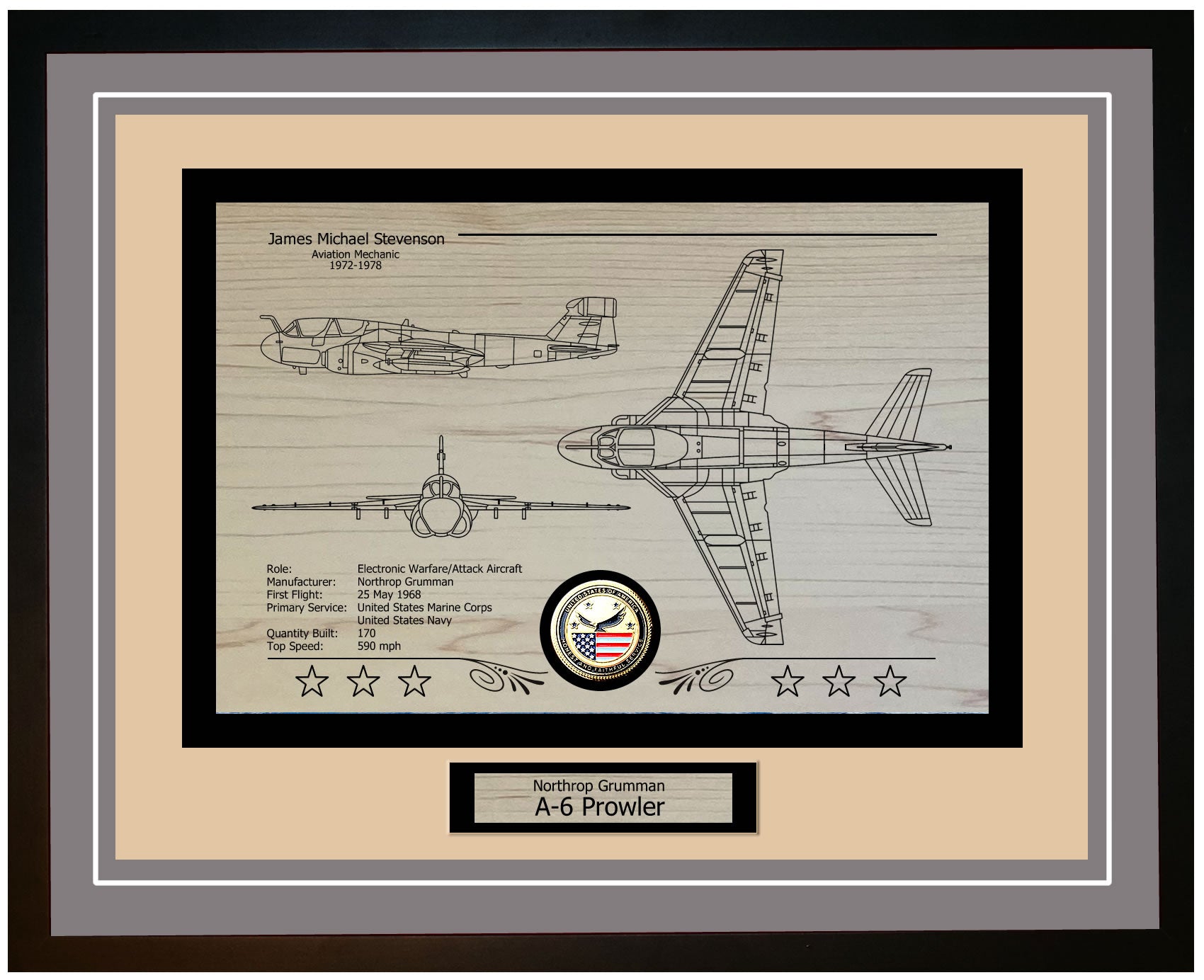
USS John S Mccain DDG-56 Ship Specifications
| Specification | Details |
|---|---|
| Class | Arleigh Burke Class Guided Missile Destroyer |
| Commissioned | July 2, 1994 |
| Displacement | 8,373 tons |
| Length | 504.5 feet |
| Beam | 67 feet |
| Draft | 20 feet |
| Speed | 30+ knots |
| Complement | 370 |