
USS Joseph E Campbell DE-70
The USS Joseph E. Campbell (DE-70) was a Buckley-class destroyer escort built during World War II. Her keel was laid down on March 22, 1943, at the Bethlehem-Hingham Shipyard in Hingham, Massachusetts. This shipyard was one of many that ramped up production to meet the urgent demands of the war. She was launched on June 26, 1943, and officially commissioned into the United States Navy on September 23, 1943. The construction of the USS Joseph E. Campbell was part of a broader strategy to boost the Navy's anti-submarine warfare capabilities, crucial in the Battle of the Atlantic.
The ship was named in honor of Ensign Joseph E. Campbell, a naval aviator posthumously awarded the Navy Cross for his heroism during the Battle of Midway. Ensign Campbell's bravery and sacrifice were emblematic of the valor and dedication of U.S. Navy personnel during the war. Naming the ship after him served as a tribute to his legacy and a morale booster for the crew. The ship's namesake was a constant reminder of the courage and commitment needed to achieve victory in the face of adversity.
The USS Joseph E. Campbell was equipped with three 3-inch/50 caliber guns, torpedo tubes, depth charge projectors, and hedgehog anti-submarine mortars. These weapons made her a formidable opponent against enemy submarines. The Buckley-class design featured a turbo-electric drive, providing greater maneuverability and efficiency compared to earlier classes of destroyer escorts. Her radar and sonar systems were state-of-the-art for the time, enhancing her ability to detect and engage enemy submarines.
The legacy of the USS Joseph E. Campbell is significant, representing the broader role of destroyer escorts in World War II. These ships were essential in protecting convoys from the persistent threat of German U-boats, ensuring the safe passage of troops and supplies across the Atlantic. The effectiveness of destroyer escorts like the USS Joseph E. Campbell contributed to the eventual Allied victory in the Battle of the Atlantic. Her service exemplified the strategic importance of anti-submarine warfare and the technological advancements made during the war.
The USS Joseph E. Campbell was part of the Buckley-class, a group of 102 destroyer escorts built between 1942 and 1944. The primary purpose of these ships was to provide escort protection for convoys, perform anti-submarine patrols, and support amphibious operations. The Buckley-class was known for its versatility and effectiveness in these roles. The ships were smaller and less heavily armed than destroyers, but their specialized equipment and design made them highly effective in their intended roles. The class played a crucial role in maintaining the security of Allied maritime operations during the war.
The commissioning of the USS Joseph E. Campbell marked the beginning of her active service in the U.S. Navy. Upon commissioning, she underwent a shakedown cruise to test her systems and train her crew. Following this period of preparation, she was assigned to various escort and patrol duties in the Atlantic and Mediterranean theaters. The commissioning ceremony was a moment of pride and anticipation for the crew as they prepared to take on the critical task of safeguarding Allied shipping lanes. Her operational history would go on to reflect the dedication and skill of her crew, as well as the strategic importance of destroyer escorts in World War II.

USS Joseph E Campbell DE-70: Structure, Technology, Armament, and Weaponry
The USS Joseph E. Campbell (DE-70) was a Buckley-class destroyer escort, a class celebrated for its robust and versatile design. At 306 feet long with a beam of 36 feet and a draft of about 9 feet, it was compact enough to navigate both open ocean and coastal waters with ease. Its welded steel hull was sturdy and resilient, built to withstand the rigors of wartime. The ship's low-profile superstructure helped minimize visibility to enemy forces, reducing the risk of being targeted.
Technologically, the USS Joseph E. Campbell was ahead of its time. It boasted advanced radar and sonar systems, crucial for spotting enemy submarines and surface vessels. The radar allowed for long-range detection and tracking, while the sonar provided underwater surveillance. These technologies were vital for its main mission: anti-submarine warfare. The ship also had a comprehensive communication suite, ensuring effective coordination with other naval units and command centers.
When it came to armament, the USS Joseph E. Campbell was ready for action. Its main battery included three 3-inch/50 caliber dual-purpose guns, capable of engaging both surface and aerial targets. These were backed by smaller anti-aircraft weapons like 20mm Oerlikon cannons and 40mm Bofors guns, creating a layered defense against enemy aircraft. The ship also had depth charge projectors and racks to target and destroy enemy submarines, strategically placed to maximize effectiveness.
The ship's weaponry was further bolstered by torpedo tubes, allowing it to launch torpedoes against larger enemy vessels. It carried Mark 15 torpedoes, known for their reliability and power. Additionally, the vessel was equipped with Hedgehog anti-submarine mortars, a forward-throwing weapon system that launched a pattern of explosive charges designed to detonate on contact with a submarine. This combination of armament made the USS Joseph E. Campbell a formidable adversary in both surface and sub-surface engagements, ensuring its effectiveness in protecting Allied convoys during World War II.

Crew Accounts of Time Aboard
The USS Joseph E. Campbell (DE-70) holds a special place in the hearts of its former crew members, as evidenced by the memories shared in its guestbook. James Kyger, who served as a Gunner's Mate Third Class (GM3) in 1944, recalls his time aboard the ship from its commissioning until its conversion to a high-speed transport (APD). His post reflects a sense of camaraderie and nostalgia, as he reaches out to reconnect with a fellow shipmate, Snuffy Mccauley from Plainfield, New Jersey. This indicates the strong bonds formed among the crew during their service.
Another post by Joe Campbell, who shares a personal connection to the ship through his uncle, for whom the vessel was named, seeks to gather more stories and details about the ship's service history. His inquiry underscores the importance of preserving the legacy and personal stories associated with the USS Joseph E. Campbell.
These posts collectively highlight the enduring connections and the quest for shared memories among those who served on the USS Joseph E. Campbell, as well as their families. The ship not only served as a vessel during wartime but also as a significant chapter in the lives of its crew members, fostering lifelong friendships and a deep sense of pride and remembrance.

USS Joseph E Campbell DE-70: Upgrades, Mission Capabilities, and Contribution to the Fleet
The USS Joseph E. Campbell (DE-70) was a remarkable ship with a storied history. Commissioned in 1943, it was packed with cutting-edge anti-submarine warfare (ASW) tech for its time, like depth charge projectors and hedgehog mortars. As the war evolved, so did the ship. It got new radar and sonar systems, boosting its ability to detect and track enemy subs. These upgrades were vital for its main job: escorting convoys and hunting down enemy submarines.
As a destroyer escort, the Joseph E. Campbell was built to shield bigger ships from subs and air attacks. Its strong ASW gear and anti-aircraft weapons made it a versatile player in both the Atlantic and Pacific. The ship was fast and nimble, ready to tackle threats head-on, and it could escort convoys over long hauls. With top-notch communication and navigation systems, it worked seamlessly with other naval units, enhancing fleet operations.
During World War II, the Joseph E. Campbell made a huge impact, especially in the Battle of the Atlantic. It was a key player in protecting convoys from German U-boats, scaring off enemy subs and safeguarding merchant ships loaded with crucial supplies. The ship's ASW prowess was clear in its successful engagements, ensuring countless convoys made it through safely. These efforts saved lives, preserved materials, and kept the vital supply lines open for the Allies.
Even after the war, the Joseph E. Campbell stayed active during the early Cold War years. Its ASW skills were still needed as Soviet sub threats loomed. The ship took part in training exercises and patrols, keeping the US Navy sharp and ready. Its legacy shows the power of constant upgrades and adaptability in naval warfare, proving its worth to the fleet throughout its service.

USS Joseph E Campbell DE-70: Deployments, Role in Major Conflicts, Awards, and Commendations
The USS Joseph E. Campbell (DE-70) was a key player in World War II, mainly as an escort ship in the Atlantic. Commissioned in 1943, it was tasked with convoy escort duties, making sure merchant and military ships crossed the dangerous North Atlantic safely. These convoys were vital for keeping troops, equipment, and supplies flowing for the war effort. With its advanced sonar, radar, depth charges, and hedgehog mortars, the DE-70 was a tough adversary for German U-boats, which constantly threatened Allied shipping lanes.
Besides escorting convoys, the USS Joseph E. Campbell took part in several crucial operations that shaped the war's outcome. It was notably active in the Battle of the Atlantic, engaging in many anti-submarine warfare missions. The crew showed incredible skill and bravery, successfully taking on and neutralizing enemy submarines. This not only protected essential supply routes but also weakened the German Kriegsmarine's ability to disrupt Allied operations. The DE-70's role in these battles highlighted the importance of destroyer escorts in maintaining naval dominance and achieving strategic goals.
The ship's outstanding service didn't go unnoticed. Throughout its deployment, the USS Joseph E. Campbell and its crew received several awards and commendations for their exceptional performance. Among these was the Navy Unit Commendation for meritorious service in action against enemy forces. The ship also earned multiple battle stars, marking its participation in major combat operations and its mission effectiveness. These honors were a testament to the crew's dedication and ability to operate under challenging conditions.
After the war, the USS Joseph E. Campbell continued to serve until it was decommissioned in 1946. The legacy of the DE-70 is a proud chapter in U.S. Navy history, showcasing the courage, resilience, and tactical skill that defined naval forces during World War II. Its deployments and achievements not only contributed to the Allied victory but also set a standard of excellence for future naval personnel. The story of the USS Joseph E. Campbell is a powerful reminder of the critical role destroyer escorts played in securing the seas and ensuring the success of Allied operations during one of history's most pivotal conflicts.
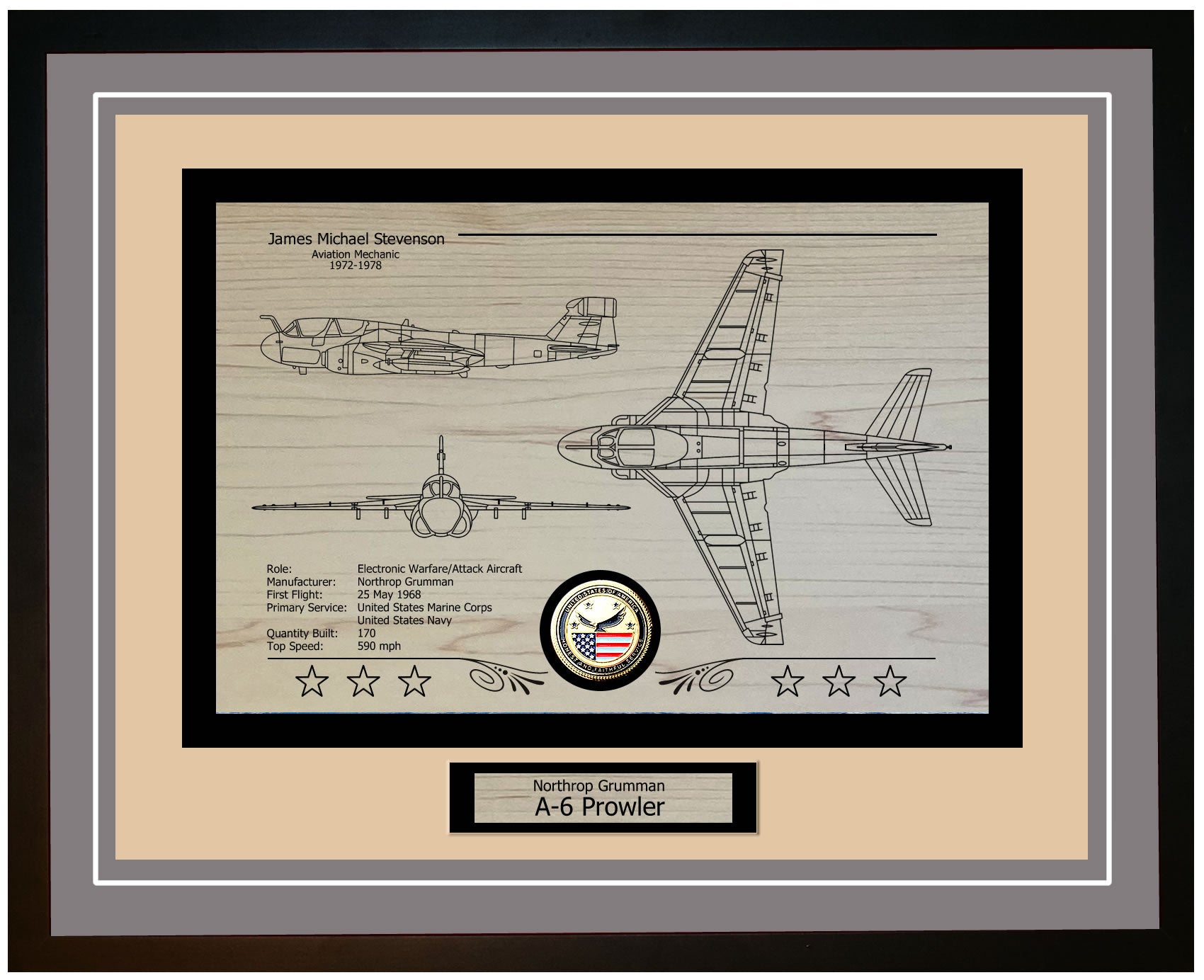
USS Joseph E Campbell DE-70 Ship Specifications
| Specification | Details |
|---|---|
| Class | Buckley Class Destroyer Escort |
| Commissioned | September 23, 1943 |
| Displacement | 1,740 tons |
| Length | 306 feet |
| Beam | 36.9 feet |
| Draft | 10.6 feet |
| Speed | 24 knots |
| Complement | 213 |