
USS Julius A Furer FFG-6
The USS Julius A. Furer (FFG-6) was a remarkable ship in the U.S. Navy, built with care and purpose. It all started on 10 July 1965 at Bath Iron Works in Bath, Maine, a shipyard famous for crafting naval vessels. The construction was thorough, using top-notch materials and cutting-edge engineering to ensure the ship's strength and efficiency. The ship was launched on 22 July 1966 and officially joined the Navy on 11 November 1967, kicking off its service.
This ship was named after Rear Admiral Julius Augustus Furer, a notable officer and engineer in the Navy. Admiral Furer made a big impact on naval engineering, especially during World War II, with his work on naval technology. Naming the ship after him was a nod to his legacy and the high standards the ship was expected to meet.
The USS Julius A. Furer was a Brooke-class frigate, a class designed during the Cold War mainly for anti-aircraft and anti-submarine tasks. It had advanced radar and sonar systems and was armed with the RIM-24 Tartar surface-to-air missile system, giving it strong defensive power. The ship was built to be versatile and adaptable, ready for a variety of missions.
The ship's legacy in the Navy is marked by its contributions to operations and its role in pushing naval technology forward. It took part in many exercises and missions, proving the effectiveness of its design and the skill of its crew. The ship's performance highlighted the strategic value of the Brooke-class frigates and the importance of innovation in keeping naval superiority.
The Brooke-class frigates, including the USS Julius A. Furer, were part of a larger effort to modernize the Navy during the Cold War. These ships were designed to tackle the growing threats of the time, especially from the Soviet Union's expanding naval power. Their main job was to protect the fleet from air and submarine threats, ensuring the safety of larger naval groups. The USS Julius A. Furer was key in this strategy, playing a vital role in the Navy's mission during a critical time in history.
The commissioning of the USS Julius A. Furer was a big deal, marking the ship's readiness for duty. The ceremony on 11 November 1967 was attended by naval officials, dignitaries, and the crew, symbolizing the ship's start in service. This event was not just the end of years of planning and building but the start of the ship's operational life. As a commissioned vessel, the USS Julius A. Furer was tasked with upholding Navy traditions, contributing to national security, and enhancing the fleet's capabilities.

USS Julius A Furer FFG-6: Structure, Technology, Armament, and Weaponry
The USS Julius A. Furer (FFG-6) was a Brooke-class frigate, a class known for its robust design and advanced technological features for its time. The ship was 414 feet long and 44 feet wide, providing a stable platform for various naval operations. Its hull was made of high-tensile steel, striking a balance between strength and weight, ensuring durability and maneuverability. The superstructure was designed to minimize radar cross-section, a forward-thinking feature aimed at reducing the ship's detectability by enemy radar systems. The ship's layout included a helicopter deck, which was a significant asset for anti-submarine warfare (ASW) operations, allowing for the deployment and recovery of helicopters equipped with advanced sonar and torpedoes.
Technologically, the USS Julius A. Furer was outfitted with state-of-the-art systems that enhanced its operational capabilities. It was equipped with the AN/SPS-40 air search radar and the AN/SPS-10 surface search radar, providing comprehensive situational awareness. The AN/SQS-26 sonar system was a key component of its ASW suite, capable of detecting and tracking submarines at considerable depths. The ship also featured the Naval Tactical Data System (NTDS), which integrated various sensors and communication systems to provide a real-time tactical picture, facilitating better decision-making during combat operations. The propulsion system consisted of two Foster-Wheeler boilers and one Westinghouse geared turbine, delivering a top speed of 27 knots and a range of 4,000 nautical miles at 20 knots, making it both swift and enduring.
In terms of armament, the USS Julius A. Furer was well-equipped to handle a variety of threats. The primary weapon was the RIM-24 Tartar surface-to-air missile system, housed in a single-arm launcher located on the forward deck. This system provided a formidable defense against aerial threats, including enemy aircraft and incoming missiles. For surface engagements, the ship was armed with an OTO Melara 76mm/62 caliber naval gun, capable of rapid-fire and effective against both surface and air targets. Additionally, the ship was equipped with two triple Mark 32 torpedo tubes, which could launch Mk 46 torpedoes designed to neutralize enemy submarines. The combination of these weapons made the USS Julius A. Furer a versatile combatant, capable of engaging multiple types of adversaries.
The ship's weaponry was further complemented by advanced electronic warfare (EW) systems and countermeasures. The AN/SLQ-32 EW suite provided electronic support measures (ESM) and electronic countermeasures (ECM), enabling the ship to detect, identify, and jam enemy radar and communication signals. This capability was crucial for both offensive and defensive operations, allowing the ship to operate in contested environments with a reduced risk of detection and targeting. Chaff and flare dispensers were also installed to counter incoming missiles, adding an additional layer of defense. These technological and structural features collectively made the USS Julius A. Furer a formidable asset in the U.S. Navy's fleet, capable of performing a wide range of missions from ASW to surface warfare and air defense.

Crew Accounts of Time Aboard
The USS Julius A. Furer (FFG-6) holds a treasure trove of memories for its former crew members, spanning from its commissioning in 1967 to its decommissioning in 1988. The ship's guestbook is filled with heartfelt recollections, each painting a vivid picture of life aboard this storied vessel.
**Early Years and Commissioning:** The ship's early days were marked by excitement and camaraderie. Joe Bott, a plank owner, recalls the commissioning in Boston, Newport Schools, and a memorable Christmas party in Greece. Jim Darrow, another plank owner, fondly remembers the ship's shakedown and trials. Gerard Hervieux, also a plank owner, reminisces about the great officers, chiefs, and shipmates he served with, while Michael Palladino and Charlie Klunder share their pride in being part of the commissioning crew.
**Mediterranean and NATO Cruises:** The Mediterranean and NATO cruises were significant highlights for many crew members. Thomas Bargowski enjoyed homeport Newport, RI, and the various ports of call during two MED trips and many Caribbean cruises. Jim Brewer recalls joining the ship in Rotterdam and participating in the NATO cruise, which included a downed Canadian chopper incident and running aground. Danny Broussard and his brother served together during the NATO cruise, exchanging duty on five other ships. Don Sena and Gary Lucia also have fond memories of the NATO cruise, with Lucia humorously noting his appendicitis causing the ship to run aground in Holland.
**Caribbean Adventures and GITMO:** The Caribbean cruises and GITMO (Guantanamo Bay) training were recurring themes. Andy Crane and John Elkins both recall multiple Caribbean cruises and the rigorous training at GITMO. David Mundie highlights the ship's immaculate condition, where one could "eat off the deck plates" in the fireroom and engine room. Marty Johnson and Bob Osterberg share their experiences of GITMO and the shipyards, with Osterberg mentioning the LAMPS conversion in Charleston, SC.
**Middle East and African Deployments:** The ship's deployments to the Middle East and Africa left lasting impressions. Bob Bartolacci and Ed Hlava both recall the Mideast tours and the excitement of crossing the equator. Tom Bryce and Woody Wilson highlight the extensive travels, including the North Atlantic, Mediterranean, and African/Middle East cruises. Mike Goodnight fondly remembers the Bicentennial cruise, which included visits to the Middle East and Africa.
**Life Lessons and Career Impact:** Many crew members credit their time on the USS Julius A. Furer with shaping their careers and lives. Steve Bayne learned valuable skills that led to a lifelong career working on boilers. Neil Heywood attributes his success as a college professor to the influential people he met on the ship. Akemela Burton and Tim Tolliver both highlight the valuable lessons and experiences gained during their service.
**Reunions and Lasting Friendships:** The bonds formed aboard the USS Julius A. Furer have stood the test of time. Cliff Smith and Ed Smith both mention reunions, with Smith encouraging shipmates to attend the next reunion in Branson, MO. John Stansel and Craig Mueller share their enduring friendships, with Stansel noting that he still sees several shipmates every year. Tim Riemer and John Boniberger recall the camaraderie during the ship's decommissioning and turnover to the Pakistani Navy.
**Unique Experiences and Anecdotes:** The guestbook is filled with unique anecdotes and experiences. Charles Ayers recounts his adventurous journey to join the ship in Rota, Spain, and the rough seas upon arrival. Richard J. Book and Roland Ditano share their memories of cooking in the officers' mess and the ship's overhaul in Charleston Naval Shipyard. James Gionis humorously recalls late nights in Spain and the helo crash in the Mediterranean. Stephen McLaughlin and Mark Taer both reflect on their time during the ship's extended overhaul in dry dock.
**Final Reflections:** The memories shared by the crew members of the USS Julius A. Furer (FFG-6) paint a vivid picture of life aboard this storied vessel. From the excitement of commissioning and the adventures of Mediterranean and NATO cruises to the camaraderie of Caribbean deployments and the challenges of Middle East tours, the ship's history is rich with experiences that have left a lasting impact on those who served. The bonds formed, lessons learned, and memories made aboard the USS Julius A. Furer continue to resonate with its former crew members, a testament to the enduring legacy of this remarkable ship.

USS Julius A Furer FFG-6: Upgrades, Mission Capabilities, and Contribution to the Fleet
The USS Julius A. Furer (FFG-6) was a remarkable ship with a rich history. Commissioned in 1967, it was part of the Garcia-class, not the Brooke-class, and was initially designated as a destroyer escort (DEG-6) before being reclassified as a guided missile frigate in 1975. This ship was all about versatility and adaptability, designed primarily for anti-aircraft warfare but capable of so much more.
Over its service life, the Julius A. Furer received several upgrades that kept it at the cutting edge of naval technology. It was equipped with advanced radar systems and electronic warfare suites, which made it a formidable force against aerial threats. The ship's radar and missile systems, including the AN/SPS-40 radar and the Standard Missile system, were key to its success in detecting and engaging targets with precision.
But the ship wasn't just about air defense. It was a multi-role vessel, expanding its capabilities to include anti-submarine and surface warfare. The addition of the AN/SQS-26 sonar and the ASROC (Anti-Submarine Rocket) launcher allowed it to hunt submarines effectively. With Harpoon anti-ship missiles, it could also take on surface targets, making it a versatile player in any naval operation.
During the Cold War, the USS Julius A. Furer was a crucial asset in countering Soviet naval threats. It played a vital role in maintaining maritime security and ensuring freedom of navigation. The ship was often part of carrier strike groups, providing essential air defense and surface warfare support. It also participated in numerous NATO exercises, working seamlessly with allied forces to bolster collective security.
The Julius A. Furer's story is one of continuous evolution. Its ability to adapt to new technologies and expand its mission profile was a testament to the U.S. Navy's commitment to maintaining a strong and flexible fleet. This ship wasn't just a piece of hardware; it was a symbol of strategic value in modern naval warfare, proving that guided missile frigates were indispensable in maintaining naval superiority.

USS Julius A Furer FFG-6: Deployments, Role in Major Conflicts, Awards, and Commendations
The USS Julius A. Furer (FFG-6) was a key player during the Cold War, navigating the tense waters of the Atlantic and Mediterranean. Commissioned in 1967, this ship was all about action. It was right there in the thick of NATO exercises, standing strong against the Soviet naval threat. With its top-notch radar and missile systems, it was a powerhouse in anti-aircraft and anti-submarine warfare. It kept carrier battle groups safe and sound, proving its worth time and again. Through the 1970s and 1980s, the Julius A. Furer teamed up with allied navies, showing off the U.S.'s commitment to working together for security.
During its service, the USS Julius A. Furer saw its share of action. It played a supportive role during the Vietnam War, taking on escort and patrol duties in the Western Pacific. In the 1980s, it was sent to the Persian Gulf during the Iran-Iraq War, where it took part in Operation Earnest Will. This mission was all about protecting Kuwaiti oil tankers from Iranian attacks. The frigate's presence in these hotspots showed just how versatile and strategically important it was to have a strong naval presence around the world.
The ship's hard work didn't go unnoticed. Over its service life, the Julius A. Furer racked up a bunch of awards and commendations. These honors were a nod to the crew's dedication and the ship's big contributions to naval operations. It earned the Navy Unit Commendation and the Meritorious Unit Commendation for its outstanding performance in both peacetime and combat. Plus, it snagged multiple Battle Efficiency "E" awards, proving it was a cut above the rest in readiness and operational capabilities.
The legacy of the USS Julius A. Furer (FFG-6) is one of steadfast service and a slew of commendations. Decommissioned in 1989, the ship left behind a rich history of deployments and engagements that played a big part in U.S. naval strategy during the Cold War. The awards and commendations it received are a testament to the ship's operational success and the professionalism of its crew. As a Knox-class frigate, the Julius A. Furer was a shining example of the technological advancements and strategic doctrines that defined U.S. naval operations in the latter half of the 20th century.
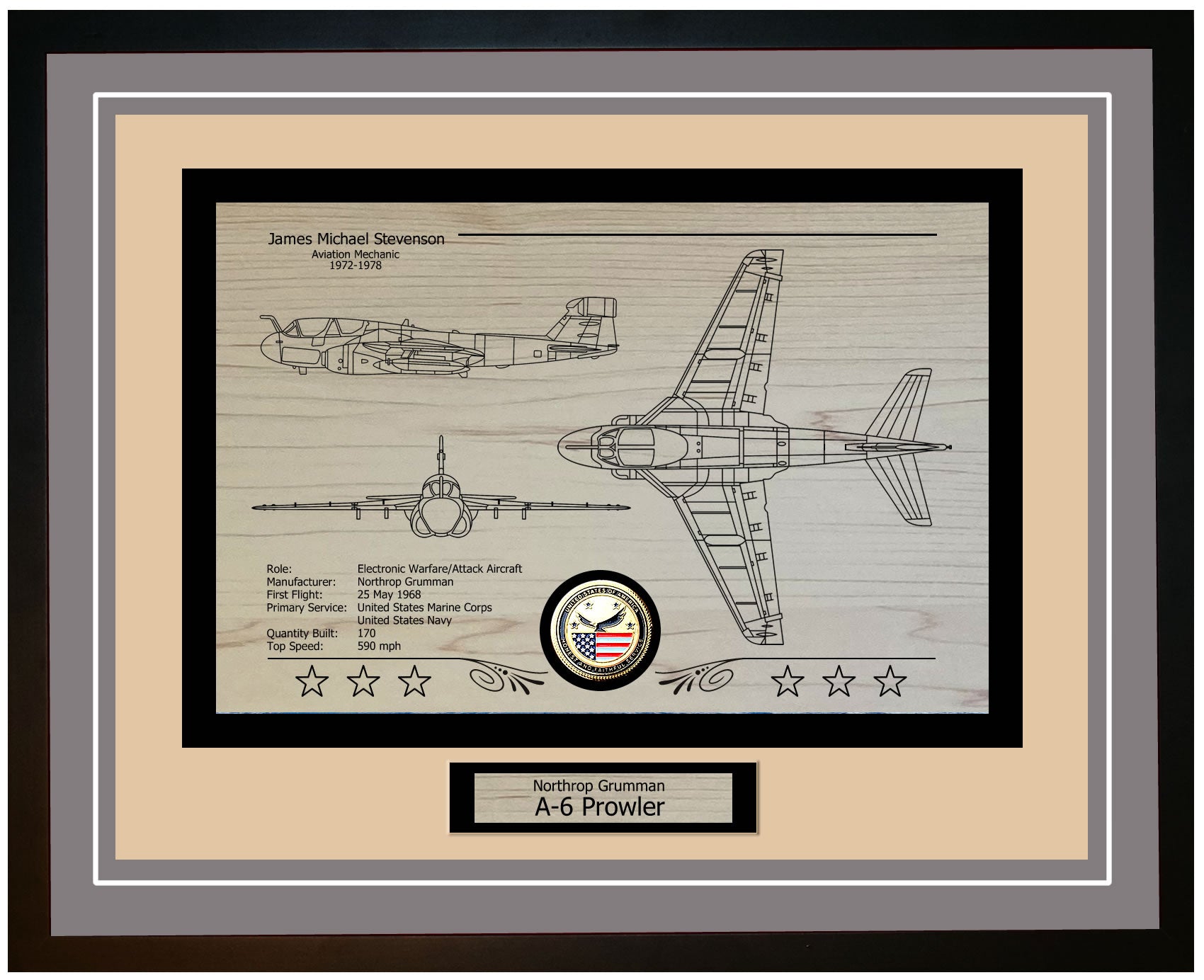
USS Julius A Furer FFG-6 Ship Specifications
| Specification | Details |
|---|---|
| Class | Brooke Class Guided Missile Frigate |
| Commissioned | November 11, 1967 |
| Displacement | 3,400 tons |
| Length | 414.6 feet |
| Beam | 44 feet |
| Draft | 24 feet |
| Speed | 27 knots |
| Complement | 236 |