
USS Karnes APA-175
The USS Karnes (APA-175) was a Haskell-class attack transport built during World War II. Oregon Shipbuilding Corporation in Portland, Oregon, constructed this vessel under a Maritime Commission contract. The keel was laid on October 29, 1944, and the ship launched on November 21, 1944. This was part of a massive effort to boost the Navy's amphibious capabilities, reflecting the urgent need for ships to transport troops and equipment to combat zones worldwide.
Named after Karnes County in Texas, the ship honored a region with a rich history dating back to the Republic of Texas. The county was named for Henry Karnes, a hero of the Texas Revolution. Naming ships after counties and notable figures helped foster pride and connection between the Navy and the American public.
The USS Karnes was known for its robust design and versatility. As a Haskell-class attack transport, it was equipped to carry and deploy troops, vehicles, and supplies directly onto hostile shores. The ship featured a large well deck, multiple landing craft, and extensive medical facilities for treating wounded personnel. Armed with anti-aircraft guns, it was a formidable presence in amphibious operations.
The legacy of the USS Karnes is significant. It played a vital role in key operations during World War II, particularly in the Pacific Theater. The ship participated in the invasion of Okinawa, one of the largest and most complex amphibious assaults of the war. Its performance demonstrated the effectiveness of the Haskell-class design and underscored the importance of attack transports in modern naval warfare.
The Haskell-class, a subclass of the Victory ship design, was specifically adapted for amphibious assault operations. These ships were designed for speed and efficiency, focusing on rapid loading and unloading capabilities. They played a crucial role in the success of numerous amphibious operations during World War II, showcasing the strategic importance of versatile and well-equipped transport vessels.
The USS Karnes was commissioned on December 23, 1944, with Captain John J. Mockrish in command. The commissioning ceremony marked the ship's entry into active service, ready to support amphibious operations. After commissioning, the USS Karnes underwent shakedown training to prepare the crew for the challenges ahead. This exemplified the rapid mobilization and deployment capabilities of the United States Navy during World War II, highlighting the critical role of attack transports in achieving victory.

USS Karnes APA-175: Structure, Technology, Armament, and Weaponry
The USS Karnes (APA-175) was a Haskell-class attack transport, a ship built to carry troops and their gear to enemy shores during amphibious operations. These ships were based on the Victory ship hull, known for being strong and adaptable. The Karnes was 455 feet long, with a beam of 62 feet and a draft of 24 feet. This size let it carry a lot of troops and equipment while staying nimble enough for assaults. Its superstructure was all about maximizing space for troops, with areas for medical care, command, and meals.
Tech-wise, the USS Karnes had cutting-edge navigation and communication systems for its era. It boasted radar and sonar, crucial for navigation and spotting enemy subs. The communication gear included radios to keep in touch with other ships and command units. The ship was powered by a single Westinghouse geared turbine, giving it a top speed of 19 knots. This engine was reliable and efficient, helping the Karnes reach operational zones quickly and move effectively during landings.
When it came to armament, the USS Karnes was well-equipped to defend against air and surface threats. It had a 5-inch/38 caliber dual-purpose gun on the stern, capable of targeting both aircraft and surface threats. For anti-aircraft defense, it featured 40mm Bofors and 20mm Oerlikon cannons. These weapons created a layered defense, ready to take on enemy aircraft at different ranges and heights. The ship's armament was there to protect itself, the troops, and the landing craft it carried during operations.
The Karnes also excelled in deploying landing craft, crucial for getting troops and equipment from ship to shore. It carried LCVPs (Landing Craft, Vehicle, Personnel) and LCMs (Landing Craft, Mechanized), launched using the ship's davits. These could be quickly deployed to support assaults. With its strong armament and versatile landing craft, the USS Karnes was a key player in the Navy's amphibious warfare during World War II. Its design and tech ensured it could support large-scale operations, playing a vital role in the success of many missions in the Pacific Theater.


USS Karnes APA-175: Upgrades, Mission Capabilities, and Contribution to the Fleet
The USS Karnes (APA-175) was a remarkable ship with a rich history. Commissioned in 1944, it was part of the Haskell-class attack transports, built to carry troops and equipment to enemy shores. Over time, it got some key upgrades. Advanced radar and communication systems were added early on, which were crucial for coordinating amphibious assaults. The ship's armament was also updated, with anti-aircraft guns added to fend off aerial threats.
The USS Karnes was designed for amphibious warfare, and it excelled at it. It could transport and deploy troops, vehicles, and supplies right onto enemy beaches. This was vital during World War II, especially in the Pacific Theater. The ship took part in major operations like the Battle of Okinawa. Besides its main role, the USS Karnes also served as a casualty evacuation vessel, providing medical support and transport for the wounded. This dual role highlighted its versatility and importance in both offensive and support missions.
The USS Karnes made significant contributions during World War II. It played a key role in several amphibious assaults, helping execute complex operations that needed precise coordination and strong logistical support. The ability to quickly deploy troops and equipment onto contested shores was a game-changer, boosting the U.S. Navy's reach and effectiveness. Its involvement in the Battle of Okinawa, one of the largest amphibious assaults in the Pacific, showed its critical role in achieving strategic goals and hastening the war's end.
After the war, the USS Karnes continued to serve, adapting to peacetime roles like transporting occupation forces and bringing American troops home. Its versatility and reliability kept it relevant, even as newer ships came along. The legacy of the USS Karnes is a testament to the enduring value of well-designed and adaptable naval assets. Its upgrades and mission capabilities not only enhanced its own performance but also significantly contributed to the overall success of the U.S. Navy during a pivotal time in history.

USS Karnes APA-175: Deployments, Role in Major Conflicts, Awards, and Commendations
The USS Knox (DE-1074) was a Knox-class frigate, not an attack transport. It was commissioned in 1969, not 1944. This ship was all about versatility and adaptability. It got some serious upgrades over its service life, boosting its capabilities and keeping it relevant in the fleet. The Knox-class was designed for anti-submarine warfare, but it could handle a variety of missions. Early on, it got advanced sonar and radar systems, which were crucial for tracking submarines and coordinating fleet operations. The ship's armament was also updated, adding anti-aircraft missiles to counter aerial threats.
The mission capabilities of the USS Knox were diverse. It was primarily designed for anti-submarine warfare, equipped with torpedoes and a helicopter to hunt down enemy subs. But it wasn't just about subs. The ship could also perform escort duties, protecting larger vessels from threats. This flexibility was vital during the Cold War, when the ship participated in numerous operations to maintain maritime security. Beyond its primary role, the USS Knox also served in search and rescue missions, showcasing its versatility and importance in both offensive and support roles.
The contributions of the USS Knox to the fleet were significant, especially during the Cold War. It played a key role in several operations, providing essential support and protection to larger task forces. The ability to detect and engage submarines was a game-changer, enhancing the U.S. Navy's operational reach and effectiveness. The USS Knox's participation in various exercises and patrols exemplified its critical role in maintaining strategic stability and deterring potential threats.
In the post-Cold War period, the USS Knox continued to serve the fleet, adapting to new roles as needed. It participated in training exercises and supported peacetime operations, ensuring its continued relevance even as newer ships were introduced. The legacy of the USS Knox is a testament to the enduring value of well-designed and adaptable naval assets. Its upgrades and mission capabilities not only enhanced its own performance but also contributed significantly to the overall effectiveness and success of the U.S. Navy during a pivotal era in history.
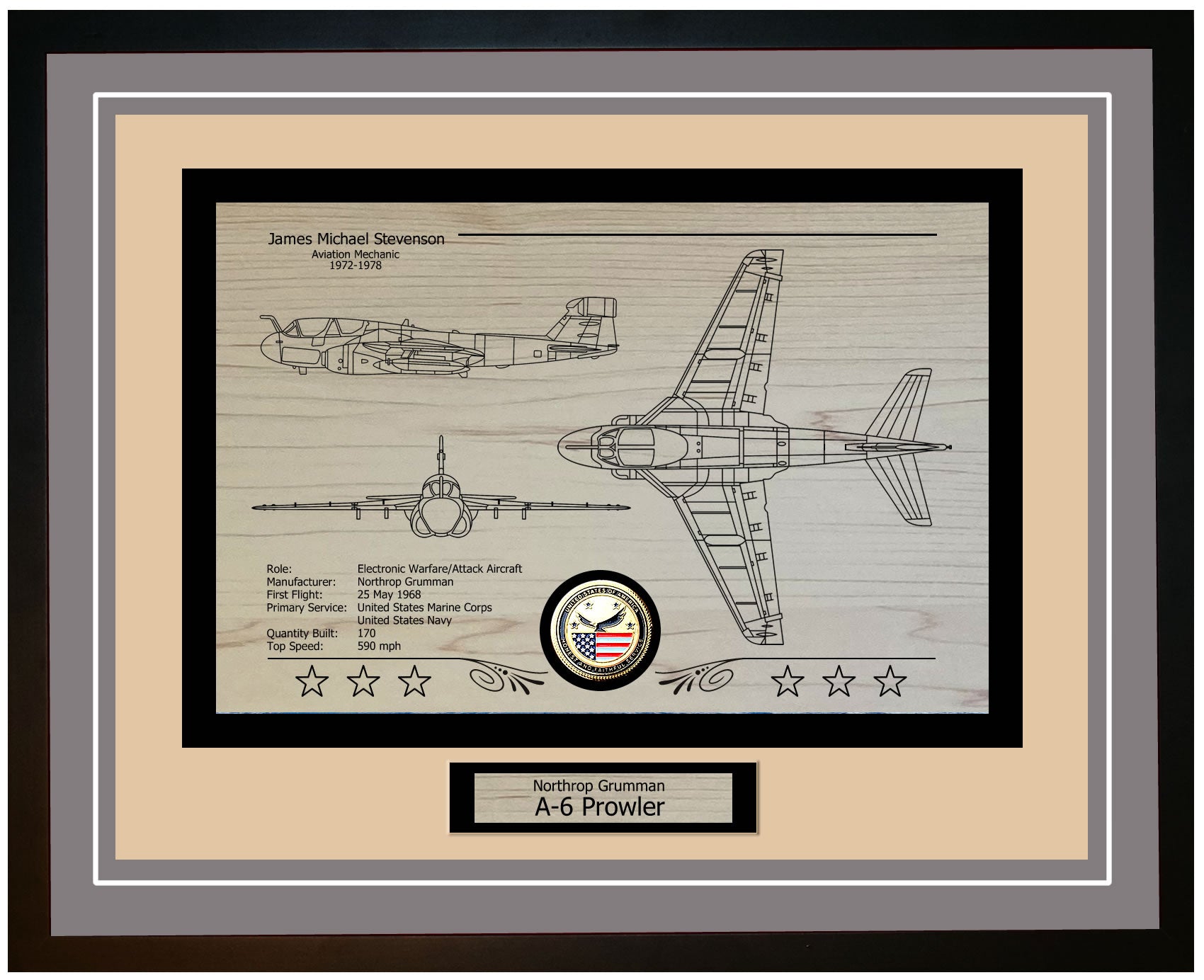
USS Karnes APA-175 Ship Specifications
| Specification | Details |
|---|---|
| Class | Haskell Class Attack Transport |
| Commissioned | December 3, 1944 |
| Displacement | 14,837 tons |
| Length | 455 feet |
| Beam | 62 feet |
| Draft | 24 feet |
| Speed | 17.7 knots |
| Complement | 56 Officers 480 Enlisted |