
USS Lewis Hancock DD-675
The USS Lewis Hancock (DD-675) was a Fletcher-class destroyer built during World War II, a time of rapid naval growth and tech leaps. Her keel was laid on March 31, 1943, at the Federal Shipbuilding and Drydock Company in Kearny, New Jersey. She was launched on August 1, 1943, and commissioned on November 29, 1943. This ship was part of a massive effort to boost the U.S. Navy's strength against threats in both the Atlantic and Pacific. Her construction showcased American industrial might and the urgency of wartime production.
Named after Lieutenant (junior grade) Lewis Hancock, Jr., a brave naval aviator who died in the USS Shenandoah (ZR-1) crash in 1925, the ship carried his legacy forward. Naming ships after notable naval figures honors their contributions and sacrifices, weaving their stories into naval history.
The USS Lewis Hancock boasted features typical of Fletcher-class destroyers. She had five 5-inch/38 caliber guns, ten 21-inch torpedo tubes, and various anti-aircraft weapons, making her a tough opponent in both surface and air battles. The Fletcher-class was all about speed, agility, and firepower, allowing these ships to escort larger vessels and take on enemy submarines and aircraft. Her solid build and versatile capabilities made her a key player in the Navy's fleet.
The USS Lewis Hancock left a mark on the US Navy, taking part in crucial World War II operations. She saw action in the Pacific Theater, playing vital roles in battles like Leyte Gulf and Okinawa. Her contributions helped secure Allied victories and showed off the Fletcher-class design's effectiveness. Her service record is a testament to the bravery and resilience of her crew, and her success added to the overall war effort.
The Fletcher-class destroyers were among the most successful and widely used during World War II. They were designed to fix the flaws of earlier destroyer classes, with better armament, speed, and range. These ships were built for multiple roles, including anti-submarine warfare, anti-aircraft defense, and surface combat. Their versatility and reliability made them a cornerstone of the US Navy's strategy, influencing future naval designs.
Commissioned on November 29, 1943, the USS Lewis Hancock quickly became a key part of the US Navy's Pacific operations. Her commissioning marked the start of her active service during a time of intense global conflict. Her crew, trained and ready, set out to support Allied efforts and protect American interests. The commissioning of the USS Lewis Hancock was a significant event, symbolizing the United States' readiness and determination to win World War II.

USS Lewis Hancock DD-675: Structure, Technology, Armament, and Weaponry
The USS Lewis Hancock (DD-675) was a Fletcher-class destroyer, a class known for its sturdy design and adaptability during World War II. It was 376 feet 6 inches long, with a beam of 39 feet 8 inches and a draft of 17 feet 9 inches. When fully loaded, it displaced about 2,050 tons. Built with high-tensile steel, the hull was tough enough to handle the harsh conditions of naval warfare. Its superstructure had a low profile, making it less visible to enemies and boosting its chances of survival in battle.
The ship was packed with cutting-edge technology for its time. It had four Babcock & Wilcox boilers and two General Electric geared steam turbines, cranking out 60,000 shaft horsepower. This power let the destroyer zip along at speeds up to 35 knots, making it one of the fleet's speedsters. The USS Lewis Hancock also boasted advanced radar and sonar systems, like the SG surface search radar and the QHB sonar. These tools were crucial for spotting enemy ships and submarines, giving the ship a tactical edge for tasks ranging from escort duties to anti-submarine warfare.
Armament-wise, the USS Lewis Hancock was a force to be reckoned with. Its main weapons were five 5-inch/38 caliber dual-purpose guns, capable of taking on both surface and air targets. These guns were in single turrets, with two forward, two aft, and one amidships. The ship also had a robust anti-aircraft arsenal, including ten 40mm Bofors guns and seven 20mm Oerlikon cannons. This anti-aircraft setup was vital for defending the ship and its convoy from enemy planes, especially during the fierce kamikaze attacks in the Pacific.
For anti-submarine warfare, the USS Lewis Hancock was well-equipped. It had two depth charge tracks and six K-gun depth charge projectors to launch depth charges at enemy subs. Additionally, it carried ten 21-inch torpedo tubes in two quintuple mounts, ready to fire the Mark 15 torpedo. This mix of depth charges and torpedoes made the ship a formidable opponent for enemy submarines, enhancing its role in convoy protection and anti-submarine patrols. The ship's comprehensive armament and advanced tech highlighted its versatility and effectiveness in a wide range of naval operations.

Crew Accounts of Time Aboard
The USS Lewis Hancock (DD-675) holds a special place in the hearts of its former crew members, as evidenced by the heartfelt memories shared in its guestbook. These recollections span from the ship's early days during World War II to its later years in the 1950s, painting a vivid picture of camaraderie, hardship, and enduring friendships.
Robert Gardner, an original plank owner, recalls enlisting in the Navy in 1943 and being assigned to the newly commissioned USS Lewis Hancock after boot camp in Rhode Island. Gardner and his shipmates fought in the Pacific theater until just before the end of World War II. He vividly remembers being in port in California on the day of the Japanese surrender, marking the first time the ship had returned to the States. Gardner has been searching for his buddy, Joe Gallagher from Long Island, NY, hoping to reconnect after all these years.
In 1951, the ship was recommissioned, and a new crew came aboard, including a Disbursing Clerk (DK) who served until August 1954. This crew member fondly remembers the wonderful experience made better by good shipmates, though he has since lost contact with them and wishes to reconnect.
Stuart Miller, who served in 1952, expresses a desire to see his former shipmates again and inquires about reunions. He splits his time between Sausalito, CA, and Truro, MA, and seems eager to rekindle old friendships.
Norm Rowland, an RD2, joined the ship in January 1953 in Yokosuka, Japan, just before the ship left for Newport via the Suez Canal. He later swapped to the USS Remy (DD688) in May 1954 for another round-the-world cruise, indicating a life of continuous adventure and service.
Charlie Gregory's service aboard the USS Lewis Hancock in the mid-1950s is marked by personal tragedy and the support of his shipmates. In 1956, as a PO3, Gregory's wife experienced a stillbirth, and the crew took up a collection to help him get home. His widow, who was the president of the Navy Wives Club when Gregory was on the USS Ranger, also suffered a miscarriage in 1957. The crew's generosity during these difficult times left a lasting impact, and she is now looking to reconnect with her husband's former shipmates to express her gratitude.
These shared memories highlight the strong bonds formed aboard the USS Lewis Hancock, a vessel that not only served its country but also fostered a sense of family among its crew. The stories of support, friendship, and shared experiences continue to resonate, underscoring the lasting legacy of those who served on this distinguished ship.

USS Lewis Hancock DD-675: Upgrades, Mission Capabilities, and Contribution to the Fleet
The USS Lewis Hancock (DD-675) was a Fletcher-class destroyer that saw some serious action and upgrades during its time. Commissioned in 1943, it started with five 5-inch/38 caliber guns, ten 21-inch torpedo tubes, and a bunch of anti-aircraft guns. But as the years went by, the Navy kept it up to date. After World War II, it got new radar and sonar systems, which made it way better at spotting and tracking enemies. Its anti-aircraft weapons were also upgraded to keep it and its fleet safe from air attacks.
The Lewis Hancock was a jack-of-all-trades for the Navy. It was built for anti-submarine warfare and surface combat, but it did so much more. In World War II, it escorted convoys and provided gunfire support during amphibious landings in the Pacific. Then, during the Korean War, it was all over the place—bombarding shores, enforcing blockades, and even doing search and rescue missions. This ship could switch from offense to defense in a heartbeat, showing off the flexibility of the Fletcher-class design.
Throughout its service, the Lewis Hancock made a big impact, especially during World War II and the Korean War. It was part of major battles like Leyte Gulf and Okinawa, where it played a key role in both attacking and defending. The ship earned several battle stars and commendations for its efforts. In Korea, it kept proving its worth by supporting United Nations forces with gunfire and escorting duties. Its ability to handle new challenges and perform under pressure made it a crucial part of the Navy's success.
The legacy of the USS Lewis Hancock is a shining example of the Fletcher-class destroyers' lasting value. With all its upgrades, it stayed a powerful force in the Navy, ready to tackle modern warfare. Its wide range of missions—from escorting convoys to bombarding shores—made it a versatile and dependable ship. The Lewis Hancock's contributions, marked by its role in key battles and its knack for adapting to new challenges, underscore its significant place in U.S. Navy history.

USS Lewis Hancock DD-675: Deployments, Role in Major Conflicts, Awards, and Commendations
The USS Lewis Hancock (DD-675) was a remarkable ship with a storied history. She was a Fletcher-class destroyer, commissioned in 1943, right in the thick of World War II. This ship was a powerhouse in the Pacific Theater, playing a vital role in several key operations. She was part of the Battle of Leyte Gulf, one of the largest naval battles ever. Her anti-aircraft guns and torpedo attacks were crucial in pushing back Japanese forces. The Lewis Hancock also provided essential screening and escort services for aircraft carriers, ensuring these vital assets made it safely through the island-hopping campaigns.
When the Korean War broke out, the USS Lewis Hancock was recommissioned and sent back into action. She was deployed to the waters off the Korean Peninsula, taking on roles like shore bombardment, anti-submarine warfare, and escort duties. Her presence was a significant deterrent to enemy forces and offered much-needed support to United Nations ground troops. The ship's versatility and firepower were key in several engagements, contributing to the success of naval operations during the war.
The USS Lewis Hancock's service was well-recognized. During World War II, she earned nine battle stars, a testament to her active and effective participation in multiple engagements. In the Korean War, she added two more battle stars to her record. These accolades reflect the ship's resilience, the skill of her crew, and her significant contributions to the United States Navy's efforts in both conflicts. She also received the Navy Unit Commendation, highlighting her exceptional performance and the high regard in which she was held by naval command.
Beyond combat, the USS Lewis Hancock took part in various peacetime operations and exercises, contributing to the Navy's readiness and strategic presence worldwide. Her deployments included goodwill visits and joint exercises with allied navies, fostering international cooperation and showcasing American naval power. The ship's storied career came to an end when she was decommissioned in 1964, but her legacy lives on as a symbol of dedication, bravery, and excellence in naval warfare. The USS Lewis Hancock remains a proud chapter in the history of the United States Navy, remembered for her significant contributions to both wartime and peacetime operations.
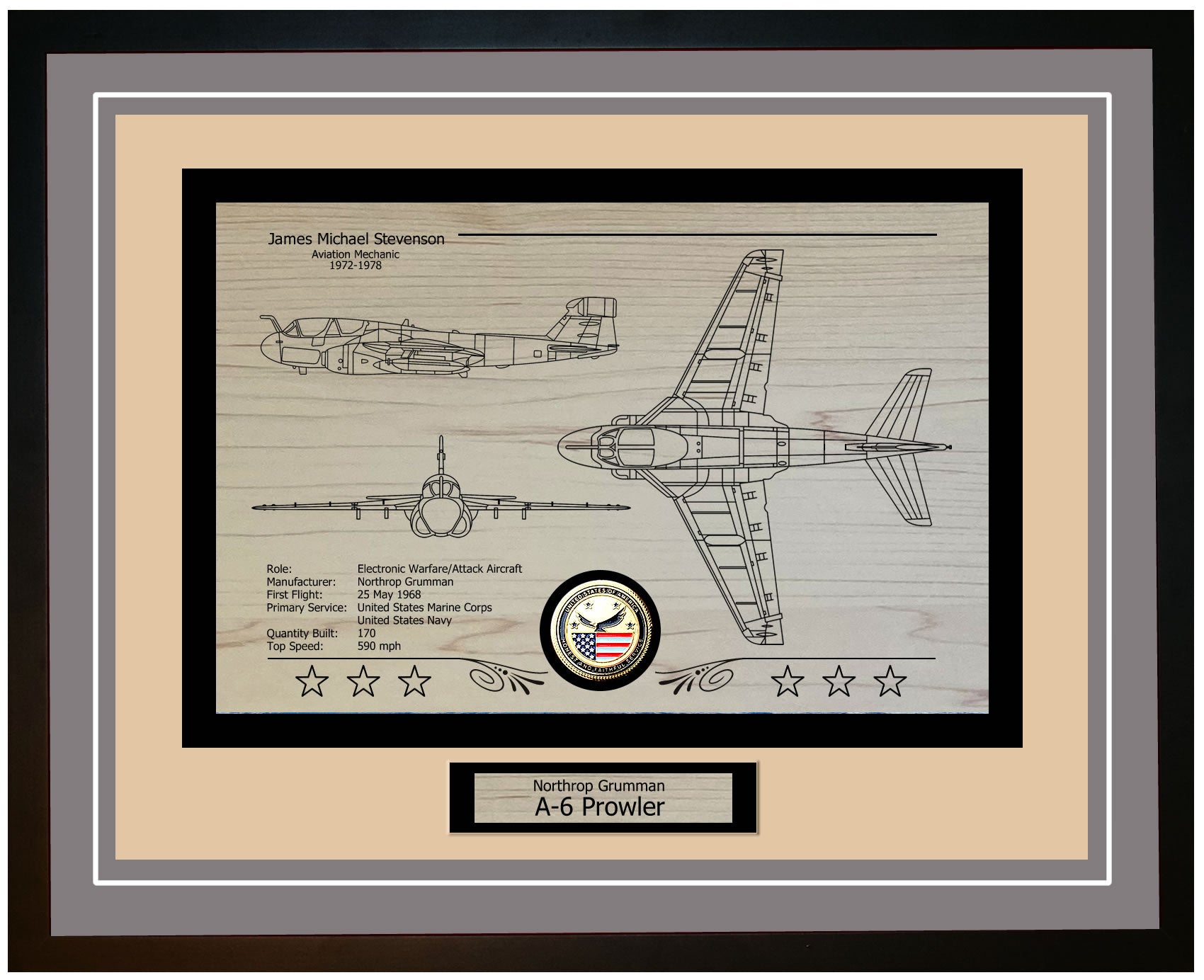
USS Lewis Hancock DD-675 Ship Specifications
| Specification | Details |
|---|---|
| Class | Fletcher Class Destroyer |
| Commissioned | August 1, 1967 |
| Displacement | 2,924 tons |
| Length | 377 feet |
| Beam | 40 feet |
| Draft | 13.8 feet |
| Speed | 38 knots |
| Complement | 9 Officers 264 Enlisted |