
USS Ludlow DD-438
The USS Ludlow (DD-438) was a Gleaves-class destroyer built for the U.S. Navy as World War II loomed. Her keel was laid on December 18, 1939, at the Federal Shipbuilding and Drydock Company in Kearny, New Jersey. She launched on November 11, 1940, and joined the fleet on March 5, 1941. This ship was part of a big push to beef up the Navy with more modern and versatile warships.
Named after Lieutenant Augustus C. Ludlow, she honored a brave officer from the War of 1812. Ludlow was second-in-command on the USS Chesapeake and was mortally wounded in a battle with HMS Shannon on June 1, 1813. His courage lives on through the ship that bears his name, inspiring sailors for generations.
The Ludlow was a Gleaves-class destroyer, known for its twin-engine, twin-stack design. These ships were faster and more maneuverable than their predecessors. Armed with four 5-inch/38 caliber guns, ten 21-inch torpedo tubes, and a mix of anti-aircraft and anti-submarine weapons, the Ludlow was a force to be reckoned with. She excelled in surface combat, anti-aircraft warfare, and convoy escort duties.
The Ludlow made her mark in several key World War II operations. She was there for the North African campaign, the invasion of Sicily, and the Anzio landings, providing crucial support to the Allies. Her actions showcased the strength and versatility of the Gleaves-class destroyers, cementing their place in naval history. The crew's bravery and skill were evident as they faced numerous wartime challenges.
Gleaves-class destroyers like the Ludlow were designed for fleet screening, anti-submarine warfare, and convoy escort. They were fast and agile, ready to tackle threats and protect larger ships. The Ludlow played a vital role in these missions, ensuring the safe passage of Allied convoys and supporting amphibious assaults. Her design and capabilities made her a key asset during a time of global conflict.
When the Ludlow was commissioned on March 5, 1941, under Lieutenant Commander George C. Wright, she quickly became a crucial part of the Navy's efforts in the Atlantic and Mediterranean. Her commissioning was a big deal, adding a powerful and versatile ship to the fleet. Throughout her service, the Ludlow embodied courage, resilience, and dedication, leaving a lasting legacy in U.S. Navy history.

USS Ludlow DD-438: Structure, Technology, Armament, and Weaponry
The USS Ludlow (DD-438) was a Gleaves-class destroyer, a class celebrated for its sturdy design and adaptability during World War II. It stretched 348 feet 3 inches long, with a beam of 36 feet 1 inch and a draft of 11 feet 10 inches. Built with high-tensile steel, it was tough enough to handle the harsh realities of naval warfare. Its low-profile superstructure helped it stay hidden from enemy eyes. Inside, the ship had multiple watertight compartments, boosting its chances of survival if hit. With four boilers and two geared steam turbines powering two propellers, the Ludlow could zip through the water at speeds up to 37 knots.
The Ludlow was packed with cutting-edge tech for its time. It had advanced radar and sonar systems, crucial for spotting enemy submarines and ships. The SG radar, an early surface search radar, let the Ludlow detect ships and aircraft from far away, even in bad weather. Its sonar system, known as ASDIC, was key in anti-submarine warfare, helping the crew find and track underwater threats. The ship also had a solid communication setup, with radios and signal lamps, ensuring it could coordinate smoothly with other naval units and command centers.
The Ludlow's armament was impressive, fitting its role as a multi-mission destroyer. It had four 5-inch/38 caliber dual-purpose guns, ready to take on both surface and air targets. These guns were in single turrets, offering a wide firing range and quick response to threats. For anti-aircraft defense, the Ludlow boasted 1.1-inch/75 caliber guns and 20mm Oerlikon cannons, which fired rapidly at incoming aircraft. It also carried depth charge projectors and racks, crucial for anti-submarine warfare, allowing it to drop explosive charges on underwater threats.
Beyond its main and anti-aircraft weapons, the Ludlow had torpedo tubes, boosting its offensive punch against bigger enemy ships. It featured ten 21-inch torpedo tubes in two quintuple mounts, launching the powerful Mark 15 torpedo designed to deal serious damage. The Ludlow could also lay mines, adding another layer to its versatile operations. This mix of advanced tech, strong build, and diverse weaponry made the USS Ludlow a formidable force in the US Navy's fleet during World War II, ready for anything from escort duties to direct combat.

Crew Accounts of Time Aboard
Memories from the USS Ludlow (DD-438) Crew
The USS Ludlow (DD-438) holds a special place in the hearts of its crew members, as evidenced by the memories shared in its guestbook. One such memory comes from Elias James Louis, who served aboard the ship in 1945 as a Seaman First Class. After his service, he changed his name to James Peterson. His recollection provides a glimpse into the life aboard the USS Ludlow during a particularly tense period.
James Peterson recalls coming aboard the USS Ludlow and almost immediately facing the challenges of the sea. On October 4, 1945, just a day after he joined the ship, the crew had to set sail from Okinawa due to a typhoon that had altered its course. This sudden departure meant several days at sea, navigating the turbulent waters and ensuring the safety of the vessel and its crew. After the typhoon had passed, the ship returned to Okinawa, marking the end of this particular episode.
This memory encapsulates the unpredictability and the constant state of readiness that characterized life aboard a naval destroyer during World War II. The crew had to be prepared to face natural elements and adapt to rapidly changing situations, all while maintaining their focus on their mission. James Peterson's account is a testament to the resilience and adaptability of the USS Ludlow's crew during a time of global conflict.

USS Ludlow DD-438: Upgrades, Mission Capabilities, and Contribution to the Fleet
The USS Ludlow (DD-438) was a Gleaves-class destroyer that saw some serious action and upgrades during its time. Commissioned in 1941, it started with a main battery of five 5-inch/38 caliber guns, anti-aircraft guns, and torpedo tubes. As World War II heated up, the Ludlow got some much-needed modifications. It beefed up its anti-aircraft defenses with more 40mm and 20mm guns to tackle enemy planes. The ship's radar and sonar systems were also improved, making it better at spotting and engaging threats on and below the water. These upgrades kept the Ludlow a strong player in the fleet.
The Ludlow was a jack-of-all-trades, reflecting the versatile role destroyers played in naval warfare. Initially built for fleet screening and anti-submarine warfare, its capabilities grew with each upgrade. It was a key player in convoy escort missions, guarding crucial supply lines across the Atlantic from German U-boats. With its enhanced radar and sonar, it could sniff out and take down submarines more effectively. The Ludlow also took part in shore bombardments, offering naval gunfire support during amphibious assaults. This flexibility made it a vital part of both offensive and defensive operations.
During its service, the USS Ludlow made a big impact, especially in World War II. It was part of several major operations, like the North African campaign, supporting the Allied invasion of French North Africa in Operation Torch. The Ludlow was also active in the Mediterranean, taking part in the invasions of Sicily and Italy. Its presence in these operations not only backed up ground forces but also helped secure control of key maritime areas. The Ludlow's ability to adapt to different missions showed its worth to the fleet and its role in the success of Allied naval operations.
The legacy of the USS Ludlow is all about adaptability and tech advancement in naval warfare. Its continuous upgrades and varied mission capabilities allowed it to tackle the fast-changing challenges of wartime. By handling tasks like convoy escort, anti-submarine warfare, shore bombardment, and fleet screening, the Ludlow showcased the versatility and toughness of the Gleaves-class destroyers. Its contributions to key World War II operations highlight the crucial role of destroyers in achieving and maintaining naval superiority. The USS Ludlow's service is a proud chapter in U.S. Navy history, showing the lasting value of innovation and adaptability in maritime defense.

USS Ludlow DD-438: Deployments, Role in Major Conflicts, Awards, and Commendations
The USS Ludlow (DD-438), a Gleaves-class destroyer, was a key player in several pivotal World War II operations. Commissioned in March 1941, Ludlow started with the Atlantic Fleet, taking on neutrality patrols and convoy escort duties. When the U.S. entered the war, Ludlow's role expanded. It was part of Operation Torch, the Allied invasion of North Africa in November 1942. During this mission, Ludlow provided crucial fire support and anti-submarine screening, ensuring Allied forces landed safely on North African shores.
After Operation Torch, USS Ludlow continued its brave service in the Mediterranean. It played a significant role in the invasions of Sicily (Operation Husky) and mainland Italy (Operation Avalanche) in 1943. Ludlow's tasks were diverse, from shore bombardment to anti-aircraft defense and convoy escort. Its agility and firepower were vital in fending off enemy aircraft and naval threats, protecting the Allied invasion forces, and contributing to the success of these campaigns.
Beyond the Mediterranean, USS Ludlow also saw action in the Atlantic. It hunted German U-boats and protected essential transatlantic convoys. Ludlow's anti-submarine warfare skills were tested in numerous skirmishes with enemy submarines, helping to keep the supply lines between the U.S. and Europe open. Its relentless efforts in these dangerous waters were crucial in reducing the U-boat threat, a major concern for the Allies.
USS Ludlow's outstanding service didn't go unnoticed. Throughout its active duty, the ship earned several awards, including four battle stars for its World War II service. These honors reflected the bravery and dedication of its crew, who faced many challenges and dangers to secure Allied victory. Ludlow's history of deployments and engagements highlights its vital role in major conflicts and underscores its lasting legacy in naval warfare.
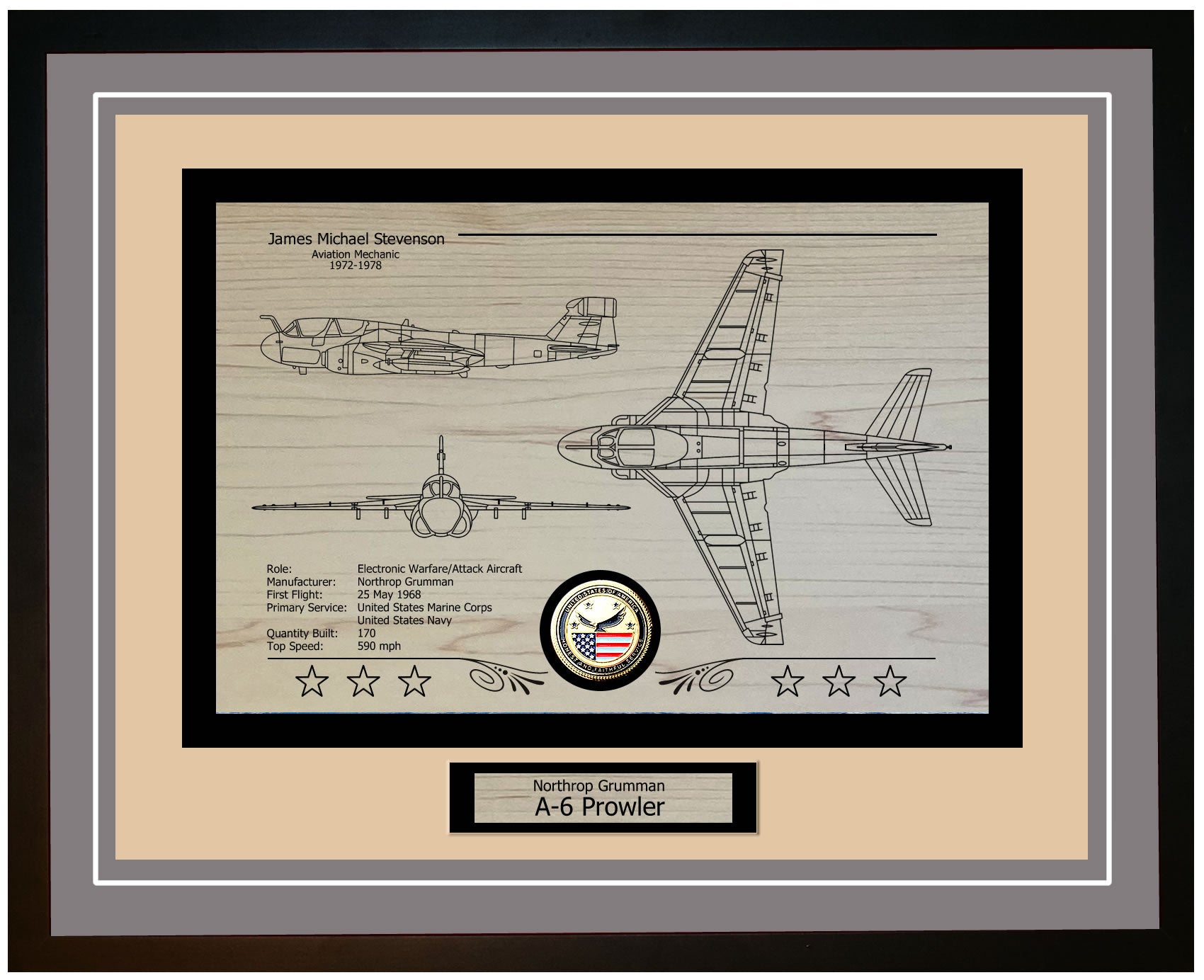
USS Ludlow DD-438 Ship Specifications
| Specification | Details |
|---|---|
| Class | Gleaves Class Destroyer |
| Commissioned | March 5, 1941 |
| Displacement | 2,395 tons |
| Length | 348.3 feet |
| Beam | 36 feet |
| Draft | 13.1 feet |
| Speed | 35 knots |
| Complement | 16 Officers 260 Enlisted |