
USS Mauna Loa AE-8
The USS Mauna Loa (AE-8) was a key player in the U.S. Navy during a time of global upheaval and rapid tech growth. Built by the Tampa Shipbuilding Company in Florida, it was laid down on January 10, 1942, launched on May 14, 1943, and commissioned on December 27, 1943. This ship was part of a larger push to boost the Navy's logistics during World War II, making sure the fleet stayed ready and effective across different war zones.
Named after Mauna Loa, a massive volcano in Hawaii, the ship's name was a nod to its role as a logistical powerhouse. Just like the volcano's commanding presence, the USS Mauna Loa was all about strength and dependability. The Navy had a tradition of naming ammo ships after volcanoes, highlighting the explosive nature of their cargo.
The USS Mauna Loa stood out with its sturdy build and special gear for handling tons of ammunition. It had cranes and hoists to move ordnance efficiently to other ships at sea. Safety was a big deal, with features to manage the risks of carrying such volatile materials. Armed with anti-aircraft guns, it could defend itself while on crucial supply missions.
The ship's legacy in the Navy is marked by its stellar service during World War II and beyond. It played a vital role in key operations, supplying ammo for naval battles in the Pacific. Its efforts were crucial in campaigns like the Battle of Leyte Gulf and the invasion of Okinawa. The USS Mauna Loa set a high bar for future ammo ships, showing just how important logistics are in modern naval warfare.
Part of the Lassen-class of ammunition ships, the USS Mauna Loa was built to meet the demands of wartime logistics. These ships were designed to carry and deliver large amounts of munitions to combat ships, keeping the fleet armed and ready. Known for their durability and capacity, Lassen-class ships could operate in forward areas, often under enemy threat. The USS Mauna Loa embodied these traits, playing a crucial role in the Navy's supply chain.
Commissioned on December 27, 1943, the USS Mauna Loa quickly became a vital part of Navy operations. Its commissioning kicked off a distinguished career filled with missions and campaigns. The crew was trained to handle the complexities of ammo transfer, maintaining top-notch safety and efficiency. Throughout its service, the ship highlighted the critical role of logistics in achieving naval superiority, emphasizing the need for well-designed and maintained supply vessels in the Navy's arsenal.

USS Mauna Loa AE-8: Structure, Technology, Armament, and Weaponry
The USS Mauna Loa (AE-8) was a Lassen-class ammunition ship, designed to transport and supply ammunition to combat ships at sea. It was a tough ship, built to handle the demands of wartime. At about 459 feet long and 63 feet wide, it had plenty of room for all kinds of munitions. The hull was reinforced to manage heavy loads and the risks of carrying explosives. Inside, there were multiple cargo holds with special gear to safely and efficiently transfer ammunition to other ships.
The Mauna Loa was equipped with cutting-edge technology for its time. It had advanced cargo handling systems, like booms and winches, to quickly load and unload ammunition. This was crucial for keeping up with the fast pace of wartime operations. The ship also had radar and communication systems to coordinate with other naval units. These tech features made sure the Mauna Loa could do its job precisely and reliably, even in tough conditions.
When it came to armament, the Mauna Loa wasn't heavily armed since its main job was logistical support, not fighting. But it did have defensive weapons to protect itself. It carried several 5-inch/38 caliber dual-purpose guns for both surface and air targets. It also had 40mm Bofors anti-aircraft guns and 20mm Oerlikon cannons. These weapons created a layered defense, helping the ship fend off enemy aircraft and smaller threats.
The ship's weaponry was backed by a well-trained crew. The sailors knew how to operate and maintain the ship's defensive systems. They regularly practiced drills to ensure they could quickly and effectively respond to any threat. This readiness was crucial, given the dangerous nature of the ship's cargo. With its strong build, advanced tech, and capable defenses, the USS Mauna Loa was a key player in the US Navy's logistical operations during its service.

Crew Accounts of Time Aboard
The USS Mauna Loa (AE-8) holds a special place in the hearts of its former crew members, as evidenced by the memories shared in its guestbook. These recollections span from World War II to the Vietnam War era, painting a vivid picture of life aboard this ammunition ship.
Richard J. Nelson served as a Boatswain's Mate during World War II. Although he passed away in 1995, his son recently discovered photographs from that period while cleaning out the house. These images offer a glimpse into the ship's storied past and the experiences of its crew during one of the most tumultuous times in history.
Fast forward to 1963, Nick Nicander, a Radioman Second Class (RM2), recalls boarding the USS Mauna Loa in the United States before being deployed to the Mediterranean. His journey took him to various ports, including Rota in Spain, Marseille in France, and Salerno in Italy. Nicander's service culminated in a transfer via liberty launch to Naples, Italy, where he was assigned to the staff of Commander Service Force Sixth Fleet (ComServForSixthFlt).
In 1962, Gabe Renzo, a Seaman (SN), fondly remembers his first meal aboard the Mauna Loa. An 'old Salt' had once told him that a ship serving steak and eggs for breakfast was a sign of good duty. True to this wisdom, Renzo's initial meal on the Mauna Loa set the tone for his positive experience aboard the ship, which he describes as having a good crew and being a good ship.
Terry Sherk, a Yeoman Third Class (YN3) who served in 1967, expresses a desire to reconnect with fellow crew members who served in the Gulf of Tonkin and Subic Bay in the Philippines. His call to reconnect underscores the strong bonds formed among the crew during their service, particularly in challenging environments like the Gulf of Tonkin during the Vietnam War.
These shared memories highlight the diverse experiences of the USS Mauna Loa's crew over the decades. From World War II to the Cold War and Vietnam, the ship served as a home and a place of camaraderie for those who sailed aboard her. The recollections of Nelson, Nicander, Renzo, and Sherk provide a rich tapestry of life at sea, marked by significant historical events and personal milestones.

USS Mauna Loa AE-8: Upgrades, Mission Capabilities, and Contribution to the Fleet
The USS Mauna Loa (AE-8) was a remarkable ship in the U.S. Navy, serving as a crucial ammunition ship from its commissioning in 1943. It was built to transport and supply munitions to combat ships at sea, a vital role that kept the Navy's firepower ready and effective. Over the years, the Mauna Loa underwent several upgrades to stay up-to-date with technological advancements. In the 1950s, it received new cargo handling equipment, which made ammunition transfers safer and more efficient. The ship's communication and navigation systems were also modernized, ensuring it could seamlessly integrate with the fleet's command and control systems.
The Mauna Loa's mission was diverse, reflecting the changing needs of the Navy. As an ammunition carrier, it was indispensable, providing the logistical support needed for sustained naval operations worldwide. The ship could handle a wide range of ordnance, from small arms to large naval shells and missiles, supporting everything from destroyers to aircraft carriers. Its robust design and specialized storage facilities ensured that munitions were transported safely, minimizing the risk of accidents.
The USS Mauna Loa's contributions were especially significant during times of conflict. In World War II, it played a key role in the Pacific Theater, supplying ammunition during pivotal battles like the Battle of Leyte Gulf. Its ability to deliver munitions directly to combat zones boosted the Navy's operational readiness and firepower. During the Korean War, the Mauna Loa continued to prove its strategic value, ensuring naval forces had the supplies needed to maintain pressure on enemy positions. The ship's presence in these critical operations highlighted its importance as a logistical cornerstone of the fleet.
Even in peacetime, the USS Mauna Loa was vital. It played a key role in training exercises and operations, consistently available and reliable. This made it a crucial part of the Navy's readiness strategy, allowing for continuous training and preparedness. By participating in numerous fleet exercises, the Mauna Loa helped hone the skills of naval personnel in ammunition handling and logistics, enhancing overall fleet efficiency. Its legacy is a testament to the importance of logistical support ships in maintaining the operational effectiveness of the U.S. Navy, ensuring combat units are always equipped and ready to respond to any threat.

USS Mauna Loa AE-8: Deployments, Role in Major Conflicts, Awards, and Commendations
The USS Mauna Loa (AE-8) was a vital player in several major conflicts, especially during World War II. Commissioned in 1943, this ship had a crucial job: transporting and supplying ammunition to naval vessels and shore installations. Its first big mission was in the Pacific Theater, supporting operations in the Solomon Islands, the Marianas, and the Philippines. The ship's ability to deliver munitions under tough conditions was key to keeping the Allied forces going, ensuring frontline units had what they needed during critical battles like the Battle of Leyte Gulf.
When the Korean War broke out, the USS Mauna Loa was recommissioned to support United Nations forces. Once again, its logistical skills were put to the test, delivering ammunition to combat zones and playing a crucial role in sustaining the war effort. The Mauna Loa operated in the waters off Korea, providing timely and essential resupply missions to both naval and ground forces. This period highlighted the ship's versatility and the importance of logistical support in modern naval warfare.
Beyond wartime, the USS Mauna Loa took part in many peacetime operations and exercises, boosting the Navy's readiness and strategic capabilities. The ship was involved in training missions, fleet exercises, and goodwill visits, strengthening alliances and showcasing American naval power. These deployments not only sharpened the crew's skills but also kept the ship ready to respond to new threats and crises worldwide.
The USS Mauna Loa's outstanding service didn't go unnoticed. The ship earned several awards and commendations, reflecting its significant contributions to the Navy's mission. It received multiple battle stars for its service in World War II and the Korean War, as well as the Navy Unit Commendation for exceptional performance in combat operations. These honors are a testament to the dedication and bravery of the ship's crew, who operated under often dangerous conditions to ensure mission success. The legacy of the USS Mauna Loa AE-8 is one of steadfast service and unwavering commitment to duty, embodying the core values of the United States Navy.
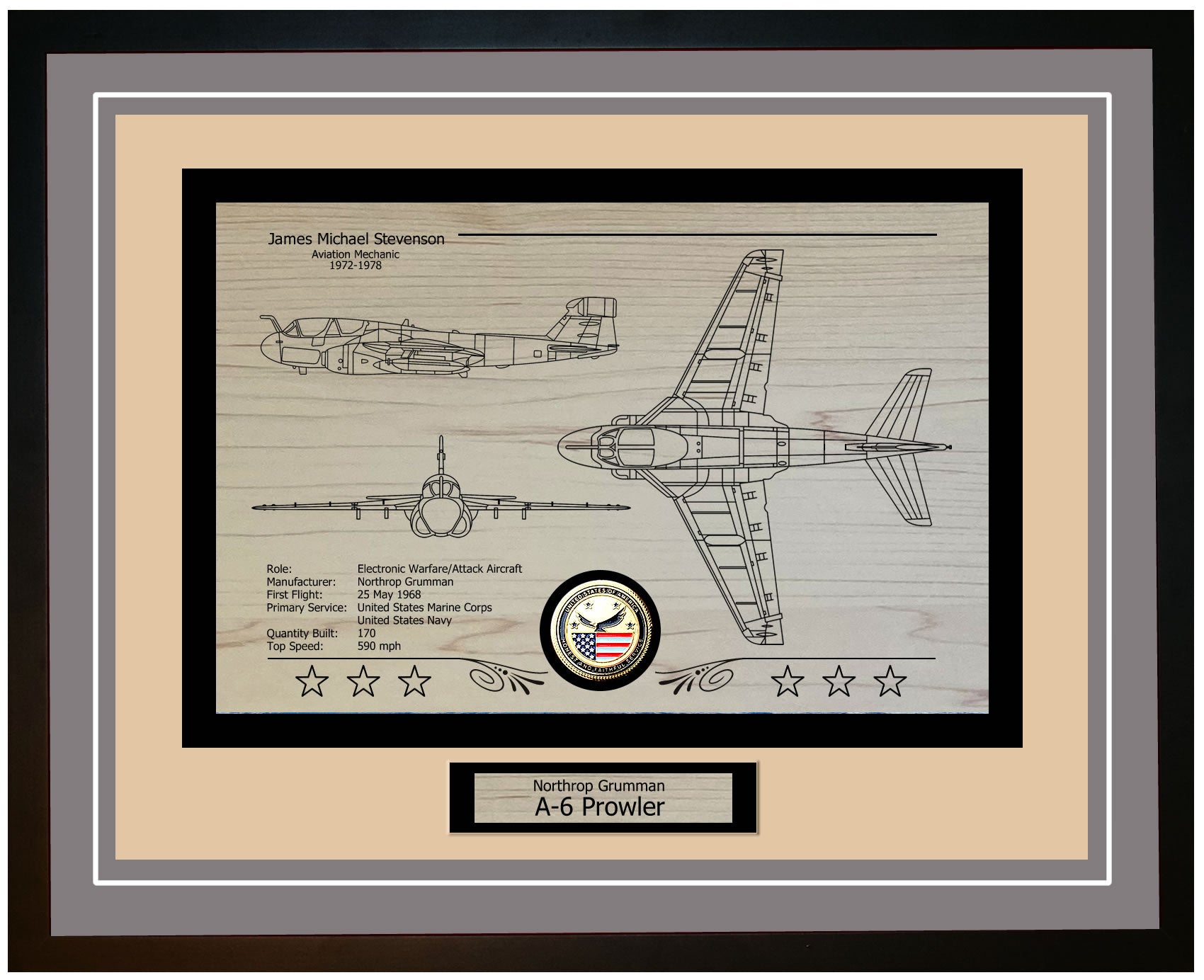
USS Mauna Loa AE-8 Ship Specifications
| Specification | Details |
|---|---|
| Class | Lassen Class Ammunition Ship |
| Commissioned | October 27, 1943 |
| Displacement | 13,855 tons |
| Length | 459 feet |
| Beam | 63 feet |
| Draft | 25.9 feet |
| Speed | 16 knots |
| Complement | 280 |