
USS Mcnulty DE-581
The USS McNulty (DE-581) was a Rudderow-class destroyer escort built during World War II. Her keel was laid down on November 17, 1943, at the Bethlehem-Hingham Shipyard in Hingham, Massachusetts. She was launched on December 18, 1943, and commissioned on March 22, 1944. The ship's construction was part of a massive effort to quickly expand the U.S. Navy's fleet to meet wartime demands. The shipyard used advanced modular construction techniques, allowing for rapid assembly, which was crucial given the urgency of the war.
The ship was named in honor of Lieutenant (junior grade) John Thomas McNulty, a naval aviator awarded the Navy Cross posthumously for his heroism during the Battle of the Coral Sea. Lt. McNulty's courage and sacrifice made him a fitting namesake for a ship designed to protect and serve. Naming the USS McNulty was a tribute to his legacy and a reminder of the personal sacrifices made by service members during the war.
The USS McNulty was equipped for anti-submarine warfare. She had two 5-inch/38 caliber dual-purpose guns, multiple 40mm and 20mm anti-aircraft guns, and depth charge projectors. The ship also featured advanced sonar and radar systems for detecting and tracking enemy submarines. These features made her a formidable opponent against the underwater threats posed by Axis powers, especially the German U-boats in the Atlantic.
The legacy of the USS McNulty in the U.S. Navy is marked by her contributions to convoy escort duties and anti-submarine operations. She played a crucial role in safeguarding Allied shipping lanes, ensuring the safe passage of troops, equipment, and supplies essential for the war effort. Destroyer escorts like the USS McNulty were vital in countering submarine threats, helping to turn the tide in the Battle of the Atlantic and demonstrating their strategic importance in naval warfare.
As a member of the Rudderow-class, the USS McNulty was part of a group of destroyer escorts designed for versatility and efficiency. These ships were smaller and more maneuverable than traditional destroyers, making them well-suited for escort and patrol missions. Their primary purpose was to protect against submarines and aircraft, ensuring the safety of larger, more vulnerable ships in the fleet. The design and capabilities of the Rudderow-class reflected the evolving nature of naval warfare during World War II, emphasizing the need for specialized vessels to address specific threats.
The commissioning of the USS McNulty on March 22, 1944, marked the start of her active service in the U.S. Navy. Under the command of Lieutenant Commander John W. Golinkin, the ship embarked on her mission to support Allied operations in both the Atlantic and Pacific theaters. The commissioning ceremony was a moment of pride and anticipation as the crew prepared to face the challenges of wartime service. The USS McNulty's entry into the fleet was a significant addition to the Navy's capabilities, contributing to the overall success of Allied naval operations during World War II.

USS Mcnulty DE-581: Structure, Technology, Armament, and Weaponry
The USS McNulty (DE-581) was a Rudderow-class destroyer escort, a class celebrated for its robust and versatile design during World War II. At 306 feet long with a beam of 36.75 feet and a draft of 9 feet, it was compact yet formidable. Built with a steel hull, it was tough enough to handle the open sea's harsh conditions. The ship's superstructure was designed for maximum visibility and efficiency, with a bridge offering a commanding view of the waters. Its layout was perfect for anti-submarine warfare and convoy escort duties, with plenty of deck space for weapons and equipment.
The USS McNulty was packed with cutting-edge technology for its time. It ran on two General Electric turbo-electric drive engines, delivering a combined 12,000 shaft horsepower. This power let the ship reach speeds up to 24 knots, making it agile in combat. It also had advanced radar and sonar systems, like the SL surface search radar and the QHB sonar, crucial for spotting enemy submarines and surface ships. These tech advancements made the USS McNulty highly effective in its escort and anti-submarine roles.
When it came to armament, the USS McNulty was ready for anything. Its main weapons were two 5-inch/38 caliber dual-purpose guns, capable of taking on both surface and aerial targets. These were backed by anti-aircraft weapons, including two twin 40mm Bofors guns and ten 20mm Oerlikon cannons. This anti-aircraft arsenal was a strong defense against enemy planes, a major threat during its service. The ship also had depth charge projectors and racks, plus a Hedgehog anti-submarine mortar, making it effective against enemy submarines.
The USS McNulty's weaponry was further boosted by its torpedo armament. It carried three 21-inch torpedo tubes for launching Mark 15 torpedoes, designed to target enemy surface ships. This mix of guns, anti-aircraft weapons, depth charges, and torpedoes made the USS McNulty a versatile and formidable opponent in both surface and sub-surface battles. This comprehensive armament ensured the ship could protect convoys and hunt enemy submarines, playing a crucial role in the Allied war effort.


USS Mcnulty DE-581: Upgrades, Mission Capabilities, and Contribution to the Fleet
The USS McNulty (DE-581) was a remarkable ship with a rich history. Commissioned during World War II, it was packed with cutting-edge anti-submarine warfare (ASW) tech for its time, like depth charge projectors and hedgehog mortars. As technology advanced, so did McNulty. It got upgrades to its radar and sonar systems, boosting its ability to detect and track threats. These improvements were key to keeping the ship effective in a constantly changing maritime environment.
McNulty was primarily an escort destroyer, designed to protect convoys and larger ships from submarines and aircraft. Its strong ASW suite made it a pro at hunting enemy subs, especially during the intense Battle of the Atlantic. It also had anti-aircraft guns for extra defense against air attacks. Over time, McNulty's role grew to include search and rescue, coastal patrols, and participating in naval exercises that honed the Navy's tactics.
During World War II, McNulty was crucial in safeguarding Allied convoys across the dangerous Atlantic, ensuring vital supplies reached their destinations. It deterred enemy subs and aircraft, acting as a shield for both merchant and military ships. After the war, McNulty continued to serve with honor, taking part in training and readiness operations that kept the Navy sharp during the early Cold War years.
But McNulty's impact went beyond its missions. It was a testbed for new ASW tactics and technologies, adding to the Navy's strategic knowledge. The lessons learned from McNulty's service influenced future ship designs and strategies, helping the Navy prepare for new challenges. In this way, the USS McNulty not only met its mission goals but also helped shape the future of naval warfare.

USS Mcnulty DE-581: Deployments, Role in Major Conflicts, Awards, and Commendations
USS McNulty (DE-581) was a key player in the U.S. Navy during World War II, mainly serving as an escort ship in the Atlantic. Commissioned in 1944, she was on a mission to protect convoys from the lurking danger of German U-boats. Her deployments were crucial for the safe passage of troops and supplies, vital for the Allied war effort. With advanced radar and sonar systems and a well-trained crew, McNulty was a tough adversary against submarines.
Throughout her service, McNulty took part in several important operations, including convoy protection during the Battle of the Atlantic. Her role was vital as the Allies needed to keep control over shipping lanes essential for moving war materials and personnel. McNulty's presence helped deter enemy submarines and provided security for merchant ships. She also engaged in anti-submarine warfare exercises, sharpening the crew's combat readiness.
McNulty's efforts didn't go unnoticed. The ship and her crew earned several commendations, including the American Campaign Medal, the European-African-Middle Eastern Campaign Medal with battle stars, and the World War II Victory Medal. These awards were a testament to her effectiveness in escort and ASW roles, and to the bravery and dedication of her crew. They highlighted McNulty's significant impact on the success of Allied operations during the war.
After the war, McNulty continued to serve in various roles. She participated in training exercises and fleet maneuvers, contributing to the Navy's ongoing readiness. Her legacy is one of steadfast service and commitment, reflecting the broader efforts of the Navy during a critical time in history. Her deployments, role in major conflicts, and the awards she received underscore her importance in World War II naval operations.
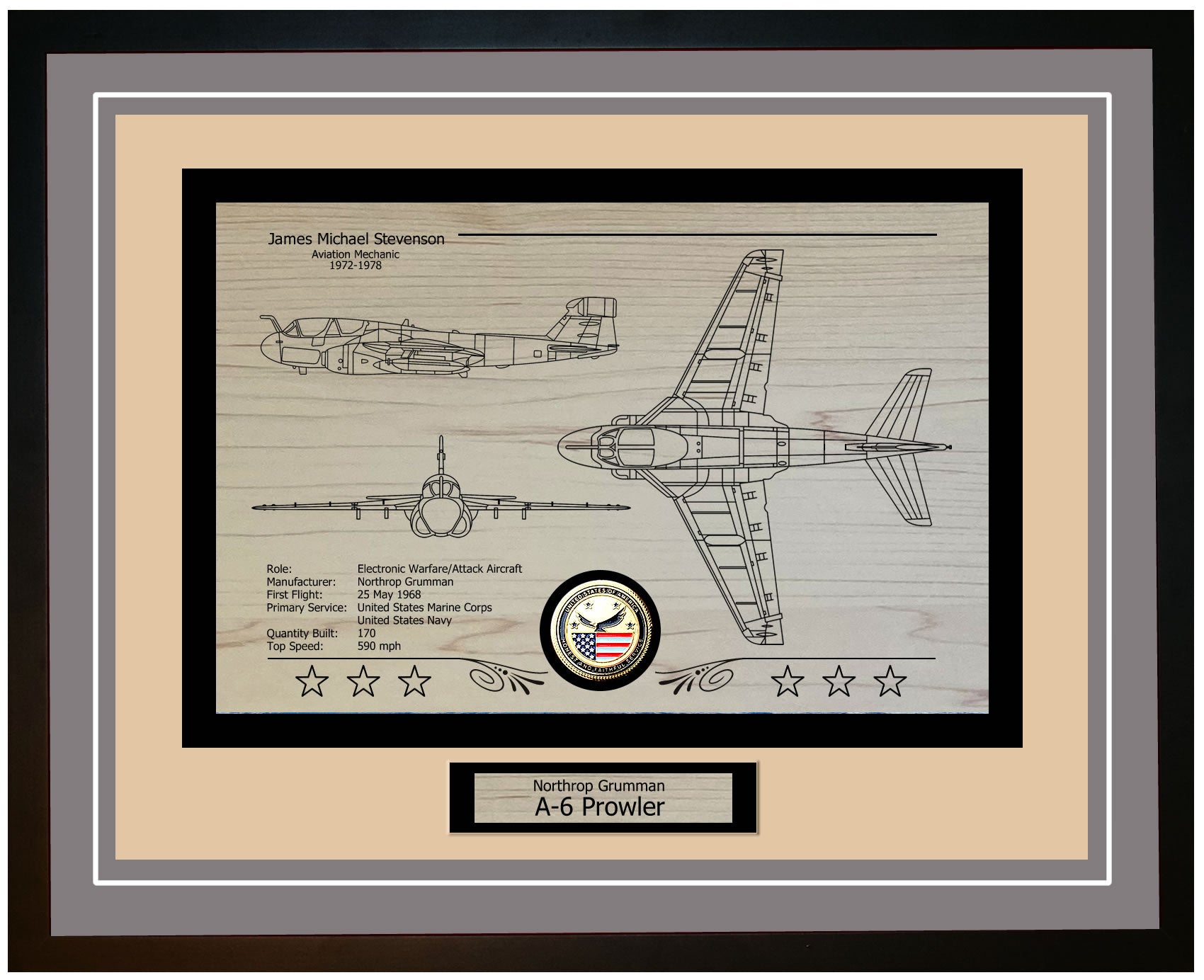
USS Mcnulty DE-581 Ship Specifications
| Specification | Details |
|---|---|
| Class | Rudderow Class Destroyer Escort |
| Commissioned | March 31, 1944 |
| Displacement | 1,810 tons |
| Length | 306 feet |
| Beam | 37 feet |
| Draft | 13.5 feet |
| Speed | 24 knots |
| Complement | 12 Officers 192 Enlisted |