
USS Merrill DE-392
The USS Merrill (DE-392) was a John C. Butler-class destroyer escort built during World War II. Her keel was laid down on July 4, 1943, at the Brown Shipbuilding Company in Houston, Texas. This shipyard was one of many that ramped up production to meet the urgent demands of the war. The USS Merrill was launched on September 29, 1943, and officially commissioned into the United States Navy on December 27, 1943. Her construction was part of a broader strategy to boost the Navy's anti-submarine warfare capabilities, crucial in both the Atlantic and Pacific theaters.
The ship was named in honor of Ensign Merrill B. White, a naval aviator killed in action during the Battle of the Coral Sea in May 1942. Ensign White's bravery and sacrifice were emblematic of the courage displayed by many young servicemen during the war. Naming the ship after him served as a tribute to his valor and as a reminder of the personal sacrifices made by individuals in the service of their country. The legacy of Ensign White lived on through the ship's service, inspiring its crew to uphold the highest standards of duty and honor.
One of the standout features of the USS Merrill was her armament and design, tailored specifically for anti-submarine warfare. She was equipped with two 5-inch/38 caliber guns, two twin 40 mm anti-aircraft guns, and ten 20 mm anti-aircraft guns. Additionally, she had three 21-inch torpedo tubes and depth charge projectors, making her a formidable opponent against enemy submarines. Her design also included advanced sonar and radar systems for the time, significantly enhancing her detection and tracking capabilities.
The legacy of the USS Merrill in the US Navy is marked by her contributions to various naval operations during World War II. She played a crucial role in escorting convoys, protecting them from enemy submarines and aircraft. Her presence ensured the safe passage of vital supplies and personnel across treacherous waters. The USS Merrill's service exemplified the importance of destroyer escorts in maintaining naval superiority and safeguarding maritime routes, essential for the Allied war effort.
The USS Merrill belonged to the John C. Butler-class, a class of destroyer escorts designed for versatility and efficiency. These ships were smaller and less heavily armed than destroyers but were faster and more maneuverable. Their primary purpose was to provide anti-submarine and anti-aircraft protection for convoys and larger warships. The John C. Butler-class ships were a critical component of the Navy's strategy to counter the submarine threat posed by the Axis powers, particularly in the Atlantic Ocean.
The commissioning of the USS Merrill marked the beginning of her active service in the US Navy. Upon commissioning, she underwent a series of shakedown cruises and training exercises to prepare her crew for the rigors of combat. These preparations were essential to ensure that the ship and her crew were ready to perform their duties effectively. The USS Merrill quickly proved her worth, participating in numerous missions and earning commendations for her performance. Her commissioning was a significant milestone, symbolizing the readiness and resolve of the US Navy to meet the challenges of World War II.

USS Merrill DE-392: Structure, Technology, Armament, and Weaponry
The USS Merrill (DE-392) was a John C. Butler-class destroyer escort, a class known for its robust and versatile design. It measured 306 feet in length with a beam of 36.58 feet and a draft of 9.5 feet. This made it a compact yet formidable vessel. The hull was constructed from welded steel, providing both strength and flexibility, essential for withstanding the rigors of naval warfare. The ship's superstructure was designed to maximize visibility and operational efficiency, featuring a bridge that offered a commanding view of the surrounding seas. The layout was meticulously planned to ensure all critical systems were easily accessible for maintenance and operation.
Technologically, the USS Merrill was equipped with state-of-the-art systems for its time. It was powered by two General Electric turbo-electric drive engines, providing a total of 12,000 shaft horsepower. This propulsion system enabled the ship to reach speeds of up to 24 knots, making it agile enough for a variety of escort and anti-submarine duties. The ship also featured advanced radar and sonar systems, including the SL surface search radar and the QHB sonar, crucial for detecting enemy submarines and surface vessels. These technologies allowed the USS Merrill to operate effectively in both offensive and defensive roles, enhancing its versatility on the high seas.
In terms of armament, the USS Merrill was well-equipped to handle a range of threats. The primary armament consisted of two 5-inch/38 caliber dual-purpose guns, capable of engaging both surface and air targets. These guns were mounted in single turrets, one forward and one aft, providing a broad field of fire. Additionally, the ship was armed with two twin 40mm Bofors anti-aircraft guns and ten 20mm Oerlikon cannons, offering formidable close-in defense against enemy aircraft. This combination of weapons ensured the USS Merrill could defend itself and its convoy from aerial attacks, a critical capability during World War II.
The ship's anti-submarine weaponry was equally impressive. The USS Merrill was equipped with three 21-inch torpedo tubes, which could launch Mark 15 torpedoes designed to target enemy submarines and surface ships. Additionally, the ship featured two depth charge tracks and eight K-gun depth charge projectors, allowing it to deploy a barrage of depth charges against submerged threats. The inclusion of the Hedgehog anti-submarine mortar, a forward-throwing weapon that launched a pattern of contact-fused projectiles, further enhanced the ship's ability to counter underwater adversaries. This comprehensive suite of weaponry made the USS Merrill a formidable opponent in anti-submarine warfare, capable of protecting its convoy from the ever-present threat of enemy submarines.


USS Merrill DE-392: Upgrades, Mission Capabilities, and Contribution to the Fleet
The USS Merrill (DE-392) was a remarkable ship, always evolving to stay ahead. Commissioned in 1943, it was packed with cutting-edge anti-submarine warfare (ASW) tech for its time, like depth charge projectors and hedgehog mortars. As naval warfare advanced, so did the Merrill. It got regular updates to its radar and sonar, boosting its ability to detect and track threats. These upgrades were vital, especially during the Cold War when submarine threats were a big deal.
The Merrill was built as an escort destroyer, a guardian for convoys and larger ships against subs and aircraft. Its strong ASW setup made it a pro at spotting and taking on enemy subs before they could strike. It also had anti-aircraft guns for extra protection. Over time, the Merrill took on more roles, like search and rescue, coastal patrols, and joint exercises with allies. It was a ship that could do it all.
During World War II, the Merrill was a key player in the Atlantic, escorting convoys and keeping them safe from enemy subs. It was a crucial part of securing Allied shipping lanes. After the war, the Merrill didn't slow down. It joined countless training exercises and patrols, keeping the Navy sharp and ready.
The USS Merrill was all about resilience and adaptability. It embraced new tech and expanded its missions, staying a valuable part of the fleet for years. Its story is a lesson in the power of innovation and constant improvement. The Merrill didn't just meet its goals; it helped the U.S. Navy stay a dominant force on the seas.

USS Merrill DE-392: Deployments, Role in Major Conflicts, Awards, and Commendations
USS Merrill (DE-392) was a key player in the U.S. Navy during World War II. Commissioned in 1943, she was mainly active in the Atlantic, escorting convoys across the North Atlantic's dangerous waters. These convoys were lifelines, keeping the U.S. connected with its European allies. Merrill's main job? Protecting these convoys from lurking German U-boats. With top-notch sonar and radar, and a sharp crew, she was a formidable force against enemy submarines, ensuring countless merchant ships made it safely.
Besides escorting convoys, Merrill took part in several important naval battles. She was a standout in the Battle of the Atlantic, excelling in anti-submarine warfare. Her crew showed incredible bravery and skill, taking down multiple U-boat threats. Merrill's actions didn't just protect supply routes; they helped weaken the German naval threat in the Atlantic. Her success was a testament to the crew's training and the crucial role of destroyer escorts in naval warfare.
Throughout her service, USS Merrill earned numerous awards, highlighting her outstanding performance and the bravery of her crew. She received the Navy Unit Commendation for her exceptional service in convoy protection and submarine engagements. Merrill also earned several campaign medals, including the American Campaign Medal, the European-African-Middle Eastern Campaign Medal with battle stars, and the World War II Victory Medal. These honors reflect her significant contributions to the Allied victory in the Atlantic.
The legacy of USS Merrill (DE-392) is one of dedication, resilience, and heroism. She and her crew embodied the core values of the U.S. Navy, showing unwavering commitment to their mission and each other. Merrill's service during World War II highlights the strategic importance of destroyer escorts and serves as a powerful reminder of the sacrifices made by those aboard. Her awards and commendations are a lasting tribute to her distinguished service and the indomitable spirit of her crew, ensuring that the legacy of USS Merrill will be remembered for generations.
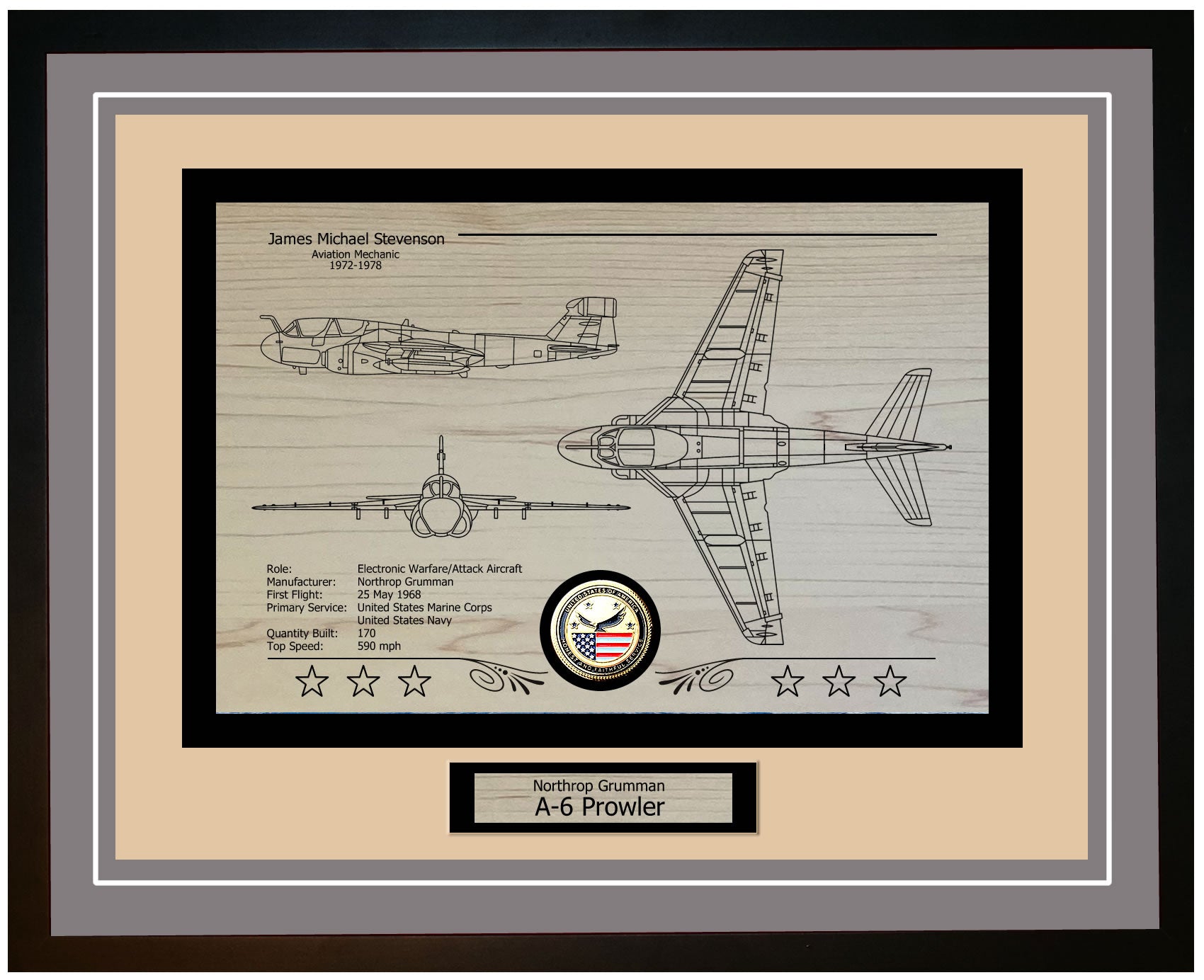
USS Merrill DE-392 Ship Specifications
| Specification | Details |
|---|---|
| Class | Edsall Class Destroyer Escort |
| Commissioned | November 27, 1943 |
| Displacement | 1,590 tons |
| Length | 306 feet |
| Beam | 36.8 feet |
| Draft | 12.3 feet |
| Speed | 21 knots |
| Complement | 209 |