
USS Moray SS-300
The USS Moray (SS-300) was a Balao-class submarine built during World War II, a time of rapid naval advancements. Her keel was laid on April 21, 1943, at the Cramp Shipbuilding Company in Philadelphia, Pennsylvania. This shipyard was one of many that played a crucial role in the U.S. wartime shipbuilding efforts, producing vessels for both the Atlantic and Pacific theaters. The USS Moray was launched on May 14, 1944, and officially commissioned into the U.S. Navy on September 26, 1944, with Lieutenant Commander John H. Turner in command.
The USS Moray was named after the moray eel, a predatory fish known for its elongated body and sharp teeth. This namesake was fitting, as the submarine was designed to be a stealthy and formidable hunter, capable of striking enemy vessels with precision. The moray eel's reputation for being elusive and dangerous mirrored the desired characteristics of a submarine, making it an apt symbol for the USS Moray.
The USS Moray had some impressive features. As a Balao-class submarine, it had a stronger pressure hull made of high-tensile steel, allowing it to dive deeper than earlier models. It was equipped with ten 21-inch torpedo tubes—six in the bow and four in the stern—and could carry 24 torpedoes. The submarine also had a 5-inch deck gun and various anti-aircraft weapons, giving it a versatile offensive capability. Improved sonar and radar systems enhanced its ability to detect and engage enemy targets.
The legacy of the USS Moray is one of innovation and resilience. As part of the Balao-class, it contributed to the evolution of submarine warfare tactics and technology. The lessons learned from its operations and those of its sister ships informed the development of future submarine classes, helping the U.S. Navy maintain its edge in undersea warfare. Although the USS Moray's service during World War II was relatively brief, it demonstrated the effectiveness of the Balao-class design and underscored the strategic importance of submarines in naval warfare.
The Balao-class, to which the USS Moray belonged, was designed for long-range patrols and offensive operations against enemy shipping and naval vessels. These submarines aimed to disrupt enemy supply lines, gather intelligence, and support larger naval operations. The Balao-class was an improvement over the earlier Gato-class, with enhanced diving capabilities and greater endurance, allowing them to operate more effectively in the vast Pacific Ocean. The USS Moray, like its sister ships, was a critical component of the U.S. Navy's strategy to achieve and maintain maritime superiority during World War II.
The commissioning of the USS Moray marked the start of its active service. Under Lieutenant Commander John H. Turner, the submarine underwent rigorous training and shakedown cruises to prepare for wartime missions. The crew was trained to operate the vessel's complex systems and execute the demanding tasks required of a submarine in combat. The commissioning ceremony was a significant milestone, symbolizing the readiness of the USS Moray to join the fight and contribute to the United States' efforts to secure victory in World War II.

USS Moray SS-300: Structure, Technology, Armament, and Weaponry
The USS Moray (SS-300) was a Balao-class submarine, a class known for its sturdy design and cutting-edge technology for its era. These submarines were an upgrade from the earlier Gato-class, featuring a stronger pressure hull made of high-tensile steel, allowing them to dive deeper, up to 400 feet. The Moray's hull was divided into multiple watertight compartments, boosting its chances of survival if damaged. It measured 311 feet 9 inches in length, with a beam of 27 feet 3 inches, and a draft of 17 feet. This design struck a balance between size and maneuverability, making it an effective hunter in the vast Pacific Ocean during World War II.
Technologically, the USS Moray was packed with advanced systems for navigation, communication, and detection. It had the SJ radar for surface search and navigation, crucial for spotting enemy ships and navigating safely at night or in poor visibility. The SD radar was used for air search, giving early warnings of approaching aircraft. Its sonar systems, including the JT and QC models, were vital for underwater detection, helping the Moray locate and track enemy vessels. The submarine also featured a TDC (Torpedo Data Computer), a mechanical analog computer that calculated the best firing solutions for torpedoes, greatly improving attack accuracy.
When it came to armament, the USS Moray was heavily armed to serve as a formidable underwater predator. It had ten 21-inch torpedo tubes, six in the bow and four in the stern, allowing it to unleash a powerful salvo of torpedoes at enemy ships. The submarine carried 24 torpedoes, including the Mark 14 and the more reliable Mark 18 electric torpedoes. These torpedoes could inflict severe damage on enemy vessels, making the Moray a significant threat to Japanese shipping and naval forces. Additionally, it was armed with a 5-inch/25 caliber deck gun for surface engagements and shore bombardments, adding versatility in combat situations.
The USS Moray also had smaller caliber anti-aircraft weapons to defend against enemy aircraft. It was equipped with a 40mm Bofors gun and a 20mm Oerlikon cannon, both highly effective against low-flying aircraft. These weapons were crucial for the submarine's defense, especially when surfaced and vulnerable to air attacks. The combination of these armaments made the USS Moray a well-rounded and formidable vessel, capable of engaging a variety of targets both above and below the water. The integration of advanced technology and powerful weaponry ensured that the USS Moray could perform its missions effectively, playing a significant role in the US Navy's efforts during World War II.

USS Moray SS-300: Upgrades, Mission Capabilities, and Contribution to the Fleet
The USS Moray (SS-300) was a Balao-class submarine that played a vital role in the U.S. Navy's operations. Commissioned during World War II, it was equipped with advanced sonar and radar systems for its time, crucial for its anti-ship and anti-submarine missions. After the war, the Moray received several upgrades, including improved sonar arrays and fire control systems, which extended its operational life and allowed it to meet the demands of the Cold War era.
The Moray's mission capabilities grew alongside its technological advancements. Initially designed for deep-sea patrols and offensive operations, it expanded its role to include intelligence gathering and reconnaissance. With enhanced sonar and radar, the Moray could detect and track enemy movements more precisely, making it invaluable for intelligence missions. It was also equipped with advanced torpedoes and mine-laying capabilities, allowing it to perform a variety of operations, from direct combat to covert surveillance.
During World War II, the USS Moray was instrumental in disrupting enemy supply lines and engaging hostile vessels, contributing significantly to Allied naval success. In the post-war period, it remained a key component of the U.S. Navy's undersea warfare strategy. Its ability to operate undetected in hostile waters made it essential for maintaining maritime security and deterring adversaries. The intelligence it gathered provided valuable insights into enemy capabilities, informing strategic decisions at the highest levels.
Throughout its service, the USS Moray exemplified the adaptability and resilience of the U.S. Navy's submarine force. Continuous upgrades ensured it remained a cutting-edge platform capable of meeting modern naval challenges. Its diverse mission capabilities and significant contributions underscored the importance of a robust and versatile submarine force. The legacy of the USS Moray (SS-300) highlights the enduring value of innovation and adaptability in maintaining naval superiority.

USS Moray SS-300: Deployments, Role in Major Conflicts, Awards, and Commendations
The USS Moray (SS-300), a Balao-class submarine, was a powerhouse in the U.S. Navy's fleet. Commissioned during World War II, it boasted top-notch sonar and radar systems for its era. These tools were vital for its main missions: hunting enemy ships and submarines. After the war, the Moray got some serious upgrades. New sonar arrays, fire control systems, and better batteries kept it sharp and ready for the Cold War's challenges.
As the Moray's tech improved, so did its missions. It wasn't just about deep-sea patrols and attacking enemy vessels anymore. The Moray took on intelligence gathering and reconnaissance, too. With its upgraded sonar and radar, it could track enemy movements with pinpoint accuracy. Armed with advanced torpedoes and mine-laying gear, the Moray was versatile, handling everything from combat to secret surveillance.
The Moray's impact on the fleet was huge. In World War II, it disrupted enemy supply lines and took on hostile ships, helping the Allies win at sea. After the war, it remained a key player in undersea warfare. Its stealthy operations in enemy waters were crucial for maritime security and deterrence. The intelligence it gathered was gold, offering insights into enemy plans and shaping top-level strategies.
Throughout its service, the USS Moray showed the Navy's adaptability and strength. Continuous upgrades kept it at the forefront of naval warfare. Its wide-ranging missions and significant contributions highlighted the need for a strong, flexible submarine force. The legacy of the USS Moray (SS-300) is a powerful reminder of how innovation and adaptability are key to naval dominance.
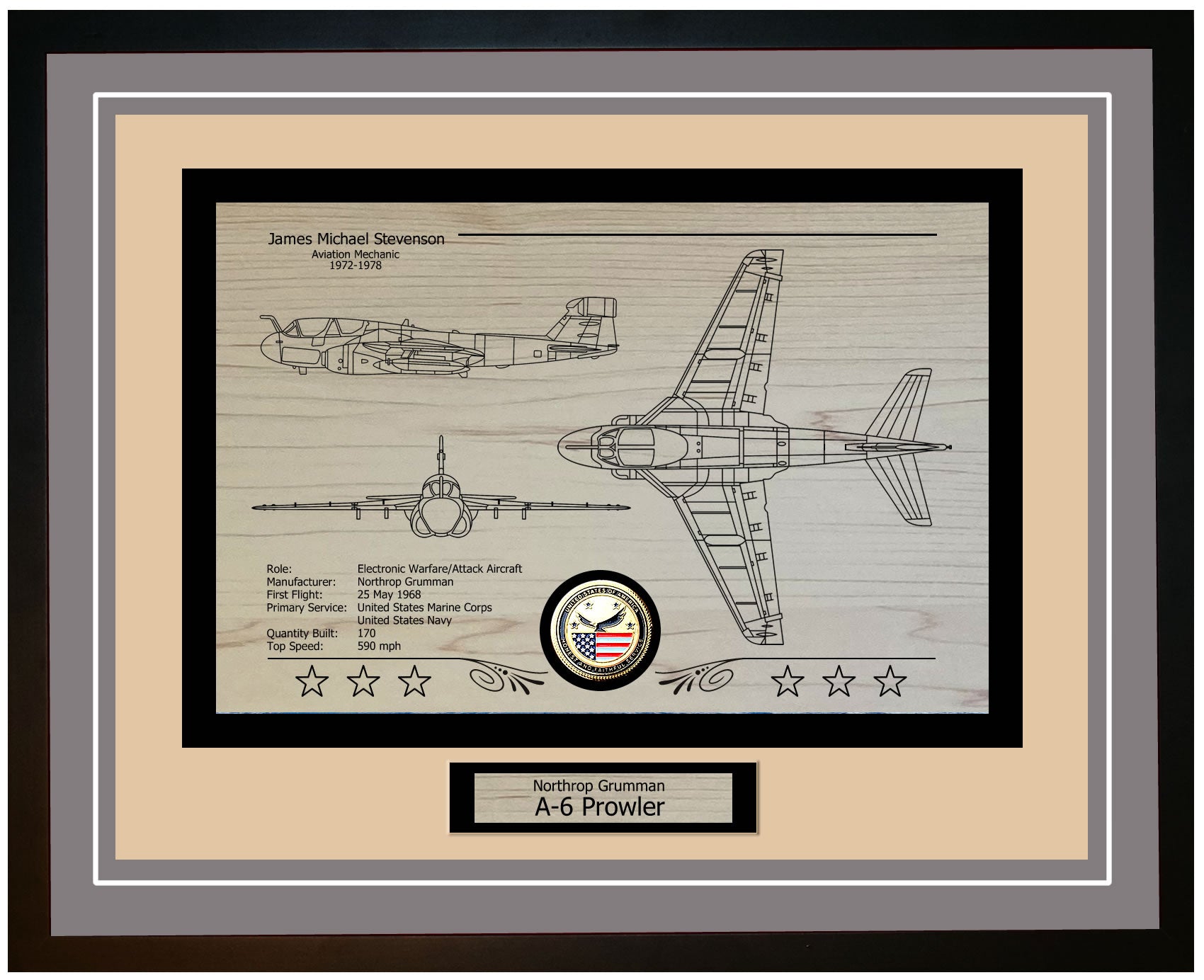
USS Moray SS-300 Ship Specifications
| Specification | Details |
|---|---|
| Class | Balao Class Submarine |
| Commissioned | January 26, 1945 |
| Displacement | 2,414 tons |
| Length | 311.9 feet |
| Beam | 27.3 feet |
| Draft | 15.3 feet |
| Speed | 20.25 knots |
| Complement | 66 |