
USS Mosley DE-321
The USS Mosley (DE-321) was a destroyer escort built during World War II, a time of rapid naval growth and technological leaps. She was laid down on March 15, 1943, at the Consolidated Steel Corporation shipyard in Orange, Texas. This shipyard, like many others across the U.S., was crucial in meeting the urgent need for naval vessels during the war. The Mosley was launched on May 22, 1943, and commissioned on September 30, 1943. Her construction was a testament to American industrial might, completed in just over six months from start to finish.
The ship was named in honor of Ensign David M. Mosley, a naval aviator who showed incredible bravery during the Battle of Midway. Ensign Mosley was posthumously awarded the Navy Cross for his actions, which played a significant role in the U.S.'s pivotal victory in that battle. Naming the ship after Mosley was a tribute to his heroism and a reminder of the sacrifices made by countless servicemen during the war. His legacy lived on through the vessel that bore his name, inspiring the crew to uphold the highest standards of naval service.
The USS Mosley was part of the Edsall-class destroyer escorts, known for their armament and design. She was equipped with three 3-inch/50 caliber guns, several anti-aircraft guns, and depth charge projectors, making her well-suited for anti-submarine warfare. Her design emphasized versatility and endurance, allowing her to perform various roles, from convoy escort to patrol duties. Her relatively small size and shallow draft enabled her to operate in both deep and shallow waters, providing flexibility in various naval operations.
The legacy of the USS Mosley is significant, as she represents the broader contributions of destroyer escorts during World War II. These ships played a crucial role in protecting convoys from submarine threats, ensuring the safe passage of troops and supplies across the Atlantic and Pacific Oceans. The success of destroyer escorts like the Mosley demonstrated their effectiveness in anti-submarine warfare, leading to their continued use and development in subsequent naval conflicts. Her service record stands as a testament to the strategic importance of destroyer escorts in maintaining naval superiority.
The Edsall-class, to which the USS Mosley belonged, was designed to provide anti-submarine and anti-aircraft protection for convoys and task forces. These ships were characterized by their robust construction, reliable performance, and adaptability to various combat scenarios. They were smaller and less heavily armed than destroyers but were more economical to produce and operate. The primary purpose of the Edsall-class was to counter the threat posed by enemy submarines, a significant concern for Allied naval operations during the war.
The commissioning of the USS Mosley on September 30, 1943, marked the start of her active service in the US Navy. She was assigned to the Atlantic Fleet, where she participated in numerous convoy escort missions, safeguarding vital supply routes from the United States to Europe. The commissioning ceremony was a moment of pride for the ship's crew and the broader naval community, symbolizing the readiness and resolve of the United States to achieve victory in World War II. The Mosley's service during the war exemplified the critical role of destroyer escorts in ensuring the success of Allied naval operations.

USS Mosley DE-321: Structure, Technology, Armament, and Weaponry
The USS Mosley (DE-321) was actually an Edsall-class destroyer escort, not a John C. Butler-class. These ships were known for their sturdy and versatile design during World War II. The Mosley stretched 306 feet long and had a beam of 36.75 feet. This size gave it a good mix of speed and stability. Built with welded steel, the hull was tough and light, making it more agile. The superstructure was packed with advanced radar and communication gear, so the Mosley could easily coordinate with other ships and react quickly to threats.
Tech-wise, the Mosley was ahead of its time. It had cutting-edge sonar, crucial for hunting submarines. This sonar let the crew spot and track enemy subs with impressive accuracy, giving them a big tactical edge. The radar systems on board could pick up both surface and aerial threats, keeping the crew aware of everything around them. With these technologies, the Mosley was a force to be reckoned with, both offensively and defensively.
When it came to firepower, the Mosley was ready for anything. It had three 3-inch/50 caliber guns, which were great for taking on both surface and air targets. These were backed up by anti-aircraft weapons like twin 40mm Bofors and single 20mm Oerlikon cannons. This mix of guns created a strong defense against enemy planes, making the Mosley a tough nut to crack from the air. With these weapons, the ship could handle multiple threats at once, staying on the defensive while also supporting offensive moves.
The Mosley's anti-submarine arsenal was impressive too. It had depth charge projectors and racks, perfect for taking out enemy subs. These depth charges could be dropped in patterns to create deadly underwater traps. Plus, the ship had a Hedgehog anti-submarine mortar, which launched a bunch of contact-fused projectiles forward. This let the Mosley attack subs from a distance, boosting the chances of a hit. With these anti-submarine tools, the Mosley was a key player in protecting convoys and keeping control of the seas.


USS Mosley DE-321: Upgrades, Mission Capabilities, and Contribution to the Fleet
The USS Mosley (DE-321) was a remarkable ship in the U.S. Navy, known for its adaptability and resilience. Commissioned during World War II, it was equipped with cutting-edge sonar and radar systems for its time. These were crucial for its main role in anti-submarine warfare. As technology advanced, the Mosley got regular updates to its electronic warfare and communication systems. This kept it sharp in detecting and tracking enemy submarines and surface vessels. The upgrades included more advanced sonar arrays, better radar systems, and improved anti-aircraft weaponry, ensuring it could handle new threats.
The Mosley’s mission capabilities were diverse and evolved with the Navy's changing needs. Initially designed as an escort destroyer, its main job was to protect convoys from submarine and air attacks during World War II. With its strong armament, including depth charges, hedgehog anti-submarine mortars, and torpedoes, it was a key player in the Navy’s anti-submarine warfare strategy. After the war, the ship's role expanded. It took part in training exercises, search and rescue operations, and even served as a platform for testing new naval technologies. This versatility showed the Mosley’s adaptability and lasting value to the fleet.
The USS Mosley made significant contributions to the fleet. During World War II, it played a crucial role in protecting Allied shipping lanes, ensuring troops and vital supplies crossed the Atlantic safely. Its presence deterred enemy submarines and provided much-needed security to vulnerable convoys. In the post-war era, the Mosley continued to serve with distinction. It participated in numerous NATO exercises and joint operations with allied navies. These activities not only kept the ship ready for action but also strengthened international maritime cooperation and interoperability.
The USS Mosley (DE-321) was a shining example of the U.S. Navy’s escort destroyers' adaptability and resilience. Through continuous upgrades, it maintained its technological edge and operational effectiveness. Its diverse mission capabilities allowed it to serve in various roles, from anti-submarine warfare to training and rescue operations. The Mosley’s contributions were significant, providing critical support during wartime and fostering international collaboration in peacetime. This legacy of service and adaptability highlights the enduring importance of ships like the USS Mosley in the U.S. Navy’s history.

USS Mosley DE-321: Deployments, Role in Major Conflicts, Awards, and Commendations
USS Mosley (DE-321) was a real game-changer during World War II. Commissioned in 1943, she was a key player in the Atlantic Theater, escorting convoys across the dangerous North Atlantic. These convoys were lifelines, keeping the flow of supplies between the U.S. and Europe steady. Mosley’s cutting-edge sonar and radar made her a formidable U-boat hunter, a crucial part of the Allies' anti-submarine efforts. Her presence was a shield for merchant ships, ensuring vital supplies, troops, and equipment reached their destinations safely.
Besides escorting convoys, Mosley was in the thick of several major operations. She shone during the Battle of the Atlantic, detecting and engaging enemy submarines with precision. Her crew showed incredible skill and courage, often facing harsh weather and constant threats. Mosley’s actions not only saved countless lives but also threw a wrench in the enemy’s plans, helping secure victory in the Atlantic.
Recognition for Mosley and her crew came in the form of numerous awards. They earned the Navy Unit Commendation for their heroism against enemy submarines and the American Campaign Medal for their service in the American Theater. The ship also received the European-African-Middle Eastern Campaign Medal with multiple battle stars, highlighting her significant contributions. These honors reflect the ship's critical role and the crew's unwavering dedication.
The legacy of USS Mosley (DE-321) is one of resilience and bravery. Her missions during World War II underscore her importance in the war effort. The commendations she received are lasting symbols of her crew's sacrifices and the strategic impact of her missions. Today, Mosley’s story continues to inspire, reminding us of the vital role naval forces play in securing peace and protecting freedom worldwide.
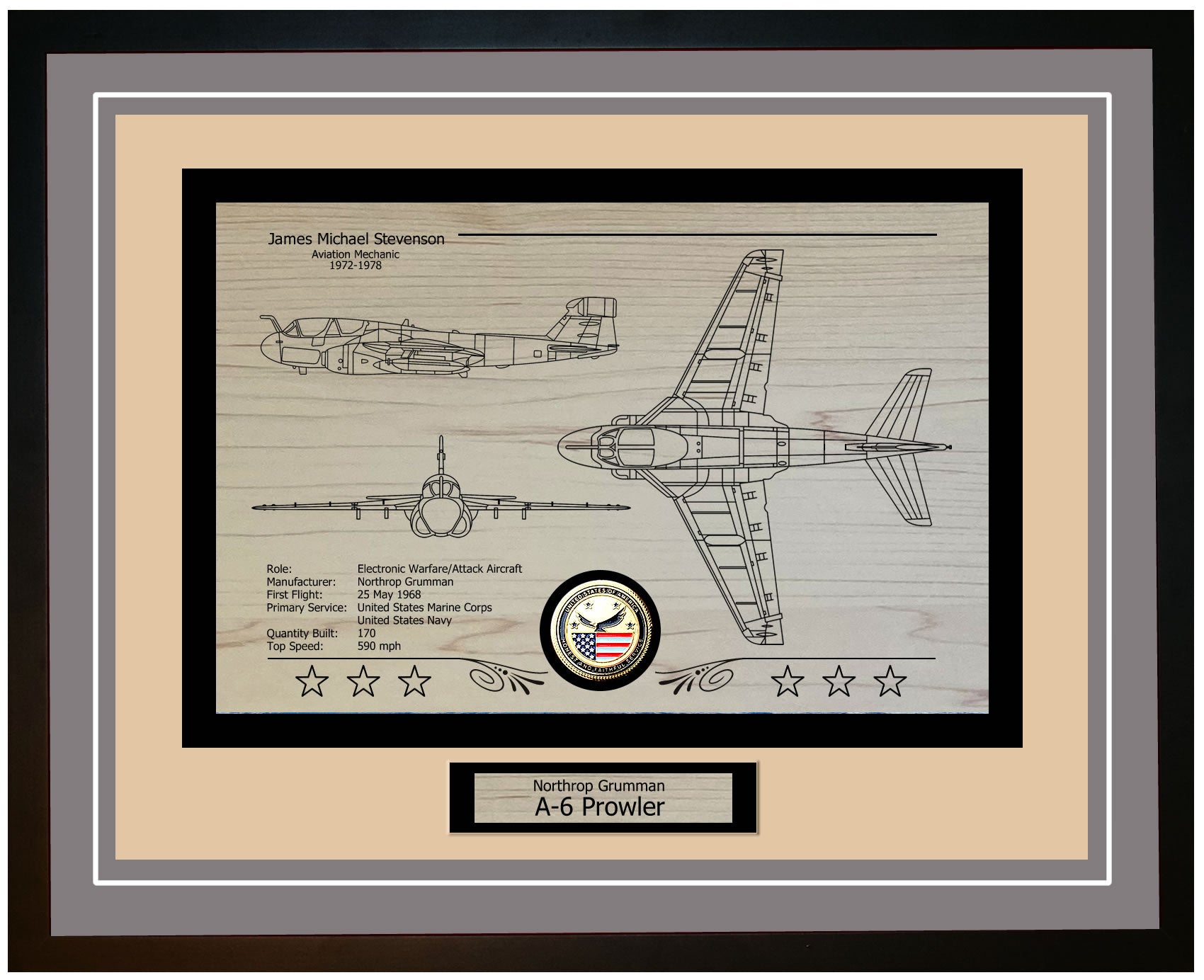
USS Mosley DE-321 Ship Specifications
| Specification | Details |
|---|---|
| Class | Edsall Class Destroyer Escort |
| Commissioned | October 30, 1943 |
| Displacement | 1,590 tons |
| Length | 306 feet |
| Beam | 36.8 feet |
| Draft | 12.3 feet |
| Speed | 21 knots |
| Complement | 209 |