
USS Nicholson DD-982
The USS Nicholson (DD-982) was a Spruance-class destroyer built by Ingalls Shipbuilding in Pascagoula, Mississippi. Her keel was laid on March 23, 1977, and she was launched on July 8, 1978. This ship was part of a push to modernize the U.S. Navy during the Cold War, keeping the fleet ahead in technology and tactics. Using modular construction, the ship was put together efficiently, integrating complex systems smoothly.
Named after the Nicholson family, the ship honors a legacy of naval service dating back to the American Revolutionary War. Samuel Nicholson, the first captain of the USS Constitution, is the most famous family member. Naming the destroyer after them was a nod to their lasting impact on American naval history.
The USS Nicholson boasted impressive weaponry and electronics. She had two 5-inch/54 caliber Mark 45 guns, anti-submarine warfare systems like the AN/SQS-53 sonar, and the ASROC launcher. For surface and air threats, she carried Harpoon and Sea Sparrow missile systems. These features made her a versatile and powerful player in both attack and defense.
Throughout her service, the USS Nicholson took part in many key operations and exercises. She sailed in the Mediterranean, the Persian Gulf, and the Atlantic, playing a vital role in maritime security and anti-submarine warfare. Her history shows how crucial Spruance-class destroyers were in maintaining naval dominance worldwide.
The Spruance-class, to which the USS Nicholson belonged, was designed mainly for anti-submarine warfare but could handle various tasks. Created in the 1970s to replace older World War II-era destroyers, these ships focused on speed, endurance, and versatility. They were known for their gas turbine propulsion, offering better speed and maneuverability than steam-powered ships.
The USS Nicholson was commissioned on May 12, 1979, with Commander William H. Wright III as her first commanding officer. The commissioning was a big event, attended by naval dignitaries, the crew, and the Nicholson family. This marked the start of her distinguished service in the U.S. Navy, where she served for over two decades. Her commissioning highlighted the Navy's dedication to keeping a modern, capable fleet ready for the challenges of the late 20th and early 21st centuries.

USS Nicholson DD-982: Structure, Technology, Armament, and Weaponry
The USS Nicholson (DD-982) was a Spruance-class destroyer, celebrated for its versatility and advanced design. This ship had a sleek, elongated hull that helped it glide through the water at speeds over 30 knots. At 563 feet long and 55 feet wide, it provided a stable platform for various naval operations. The superstructure was made from aluminum, which reduced weight and improved speed and maneuverability. It also had a helicopter deck and hangar, making it a key player in anti-submarine warfare (ASW) with its onboard helicopters.
Technologically, the USS Nicholson was a marvel. It had the AN/SPS-40 air search radar and the AN/SPS-55 surface search radar, giving it a comprehensive view of its surroundings. The AN/SQS-53 sonar system was crucial for ASW, detecting and tracking submarines at impressive depths. The ship also featured the Naval Tactical Data System (NTDS), which allowed real-time data sharing and coordination with other naval assets. This tech made the USS Nicholson a versatile ship, ready for anything from surface warfare to anti-aircraft defense.
When it came to armament, the USS Nicholson was well-equipped. Its main weapon was the Mark 45 5-inch/54 caliber gun, perfect for engaging surface targets, air threats, and providing naval gunfire support. It also had two Mark 32 triple torpedo tubes for launching MK 46 torpedoes, designed for anti-submarine warfare. For close-in defense, the ship boasted the Phalanx Close-In Weapon System (CIWS), a rapid-fire 20mm Gatling gun that intercepted incoming threats with precision. The ship also carried Harpoon anti-ship missiles, giving it a strong offensive edge against surface vessels.
The USS Nicholson's missile systems added to its firepower. It was equipped with the RIM-66 Standard Missile (SM-1MR) for medium-range air defense, launched from the Mark 26 Guided Missile Launching System. This system allowed the ship to engage enemy aircraft and missiles from a distance, providing a layered defense strategy. The ship could also launch Tomahawk cruise missiles, striking land targets with pinpoint accuracy from hundreds of miles away. With its advanced radar, sonar, and diverse weaponry, the USS Nicholson was a formidable asset in the U.S. Navy's fleet, ready to execute a wide range of missions with precision and effectiveness.

Crew Accounts of Time Aboard
The USS Nicholson (DD-982) holds a special place in the hearts of its former crew members, as evidenced by the numerous heartfelt memories shared in its guestbook. These recollections span the ship's active years, from its commissioning in 1979 to its decommissioning and eventual sinking.
**Early Years and Pre-Commissioning:** Bill Blount, a plankowner and Command Senior Chief, recalls the dedication and hard work of the crew during the pre-commissioning yard months. Paul Chapman, another plankowner, reminisces about the intense first year, setting up and running the ship, and the camaraderie that developed among the crew. Mark L. Cyr, who served as an FTM1, fondly remembers the ship's crest and motto, "There's None Finer," which set the tone for the crew's pride and work ethic.
**Memorable Cruises and Operations:** The ship's various deployments and operations left lasting impressions on its crew. Jim Palmer, an ET2, highlights the Persian Gulf, NATO Cruise, and numerous trips to the Caribbean, including the infamous "NICHATHALON." Ronald Anderson, a GSE2, recalls two Persian Gulf tours and a Unitas deployment, while Jeff Branch, an FC2, mentions the PG '86, UNITAS '88, and PG '90 cruises. The ship's participation in significant events, such as the incorporation of women on combat ships and the Y2K transition, is noted by Joe Zertuche, an FCC.
**Life Aboard the "Nasty Nick":** The ship's nickname, "Nasty Nick," is a recurring theme in the memories shared. Michael Stolte, an EWSN, praises the wonderful crew and the friendships formed. Michael Tice, a GSM2, expresses mixed feelings about his time on board, acknowledging the challenges but also the connections made. Wayne Van Camp, an E-3, who lost his memory after a car accident, seeks to reconnect with shipmates to piece together his past experiences.
**Challenges and Growth:** Many crew members reflect on the personal growth and life lessons they gained while serving on the USS Nicholson. Lindsey Wilborn, an E-4/STG, wishes he could have stayed longer despite his asthma, emphasizing the lifelong friendships made. Tim Arbisi, a DKSN, thanks DKC Miracle for allowing him to turn the Disbursing office into a recording studio, which led to a career as a touring musician. John Davis, a LT, credits his experiences on the ship with preparing him for his current role in ministry.
**Fond Farewells and Lasting Bonds:** The decommissioning and sinking of the USS Nicholson evoke a sense of nostalgia and loss among its former crew. Steve Allen, an MS2, expresses pride in retiring off the "Nick" and hopes for a reunion. Samantha Baalman, an OS2, misses the camaraderie and the great crew. Richard Baines, an MS2, and his brother Gaines share a bond that lasted beyond their service. The sentiment of missing the ship and its crew is echoed by many, including Michael Boley, a YN3/YNSN, and Cesar Botello, an EN3/ENFN.
**Legacy and Impact:** The USS Nicholson's legacy lives on through the memories and experiences of its crew. Christopher Barrett, a GSEC(SW), fondly remembers his fellow GSEs and the camaraderie they shared. Mark Barton, an IC1, takes pride in the knowledge and friendships gained. The ship's impact on personal and professional lives is evident in the stories of crew members like Darrell Butler, an SK2, who cherishes the connections made in the supply department, and John Caldwell, an MS3, who recalls winning the ship's basketball championship.
In summary, the USS Nicholson (DD-982) was more than just a naval vessel; it was a formative experience for those who served aboard her. The memories shared by the crew reflect a deep sense of pride, camaraderie, and personal growth, underscoring the ship's lasting impact on their lives.

USS Nicholson DD-982: Upgrades, Mission Capabilities, and Contribution to the Fleet
The USS Nicholson (DD-982) was a Spruance-class destroyer that served the U.S. Navy with distinction. Commissioned in 1980, it was packed with cutting-edge technology for its time, like advanced sonar and radar systems. But as the years rolled on, the Navy kept it sharp with several upgrades. One of the coolest additions was the Tomahawk Land Attack Missile system, which gave it a serious punch in strike capabilities. It also got the AN/SQQ-89 Undersea Warfare Combat System, boosting its skills in hunting submarines.
The Nicholson was a jack-of-all-trades. While it was built mainly for anti-submarine warfare, it could handle surface warfare, air defense, and strike missions too. It didn't have the Aegis Combat System, but it was still a force to be reckoned with. The Tomahawk missiles let it hit land targets from far away, making it a strategic powerhouse. Whether in peace or combat, the Nicholson was ready for anything.
Throughout its service, the USS Nicholson was a key player in keeping the Navy ready and strong. It took part in many exercises and deployments, including NATO operations and multinational maritime exercises. These missions helped build strong ties with allies and improved teamwork with other navies. During the Gulf War, the Nicholson was crucial in maritime interdiction operations, enforcing sanctions and keeping sea routes safe. Its ability to project power and support ground forces made it a vital part of the fleet.
The legacy of the USS Nicholson (DD-982) is all about adaptability and staying effective. The upgrades it received over the years kept it relevant in a world where threats are always changing. Its wide range of missions, from anti-submarine warfare to strike operations, made it a versatile and reliable part of the Navy. The ship's role in key operations and exercises showed its value as a force multiplier and a symbol of naval strength and resilience.

USS Nicholson DD-982: Deployments, Role in Major Conflicts, Awards, and Commendations
The USS Nicholson (DD-982), a Spruance-class destroyer, was commissioned on March 12, 1980. It quickly became a vital part of the U.S. Navy's surface fleet. Throughout its service, the Nicholson was deployed to various theaters, showcasing its versatility and capability. One of its early deployments was to the Mediterranean Sea, where it took part in numerous NATO exercises. These exercises enhanced interoperability with allied navies and demonstrated the United States' commitment to collective security. The ship also patrolled the Persian Gulf, ensuring the free flow of commerce and safeguarding vital maritime routes.
During its operational tenure, the USS Nicholson played significant roles in several major conflicts. Notably, it was actively involved in Operation Desert Storm in 1991, providing crucial support in the liberation of Kuwait. The destroyer’s advanced radar and missile systems were instrumental in enforcing the naval blockade and conducting maritime interdiction operations. Additionally, the Nicholson participated in Operation Southern Watch, enforcing the no-fly zone over southern Iraq, and later in Operation Enduring Freedom, contributing to the global war on terrorism. These deployments underscored the ship's strategic importance and its ability to adapt to various combat and support roles.
The USS Nicholson's exemplary service did not go unrecognized. Over the years, the ship and its crew received numerous awards and commendations, reflecting their dedication and professionalism. Among these honors were the Navy Unit Commendation and the Meritorious Unit Commendation, awarded for exceptional performance during specific operations. The ship also earned multiple Battle Efficiency (Battle "E") awards, given to the most battle-ready ships in the fleet. These accolades were a testament to the crew's relentless pursuit of excellence and their unwavering commitment to mission success.
In addition to its combat and operational achievements, the USS Nicholson was also recognized for its humanitarian efforts. The ship participated in several disaster relief missions, providing aid and support to regions affected by natural calamities. These missions highlighted the versatility of the Nicholson and its crew, showcasing their ability to transition from combat operations to humanitarian assistance seamlessly. The ship's storied history of deployments, involvement in major conflicts, and the numerous awards and commendations it received collectively paint a picture of a vessel that was not only a formidable force in combat but also a beacon of hope and assistance in times of need.
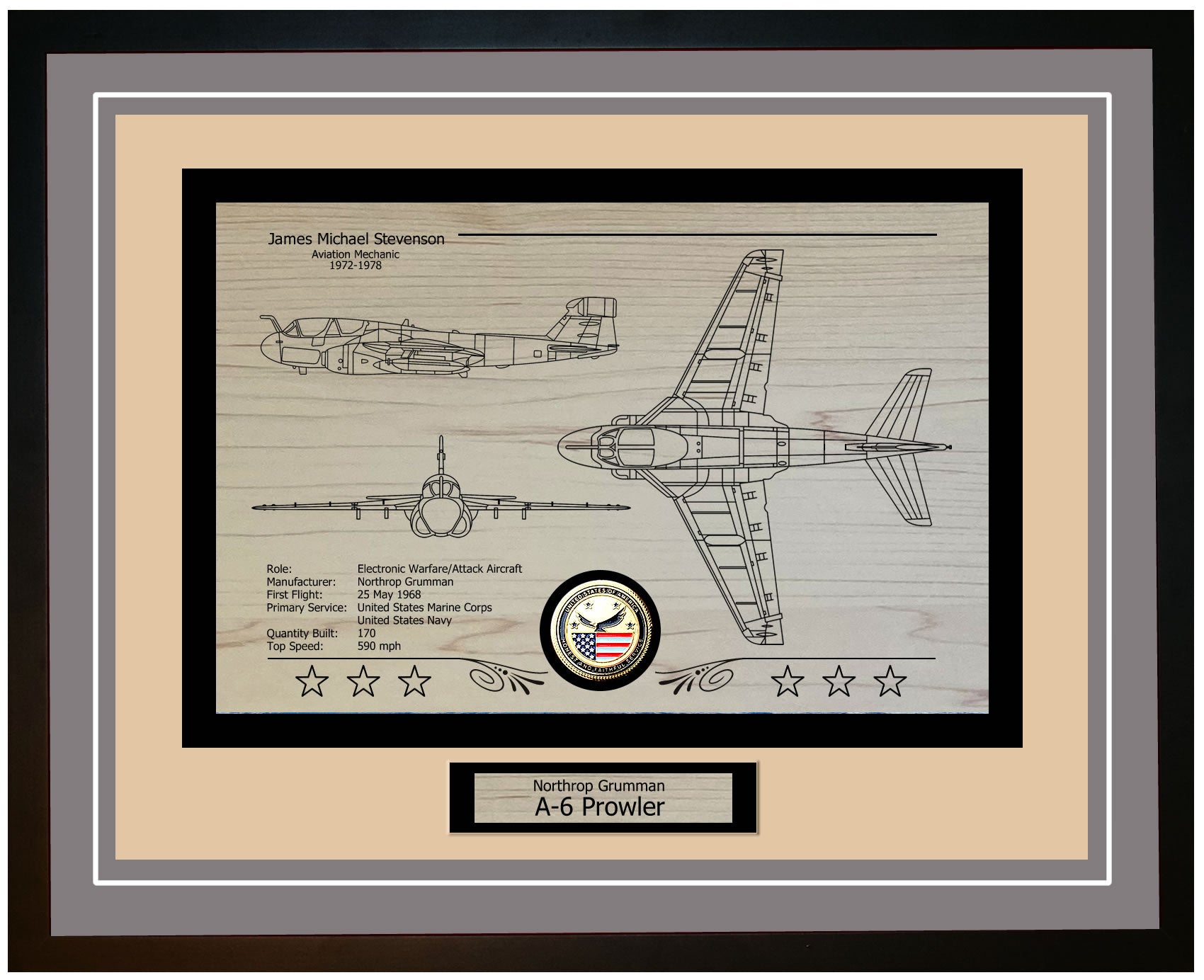
USS Nicholson DD-982 Ship Specifications
| Specification | Details |
|---|---|
| Class | Spruance Class Destroyer |
| Commissioned | May 12, 1979 |
| Displacement | 7,800 tons |
| Length | 563 feet |
| Beam | 55 feet |
| Draft | 20.5 feet |
| Speed | 30 knots |
| Complement | 296 |