
USS Octavia AF-46
The USS Octavia (AF-46) was a key player in the U.S. Navy's logistical operations. Built by Pennsylvania Shipyards, Inc. in Beaumont, Texas, she was laid down on March 10, 1945, launched on April 28, 1945, and commissioned on October 30, 1945. Her construction was part of a larger effort to boost the Navy's ability to support its fleet, especially in the Pacific during World War II. This ship was a testament to America's rapid shipbuilding prowess and strategic planning during that era.
The USS Octavia was named after a historical figure from Roman history, Octavia, known for her loyalty and dedication. She was the sister of Emperor Augustus and the wife of Mark Antony. The name was fitting for a ship designed to provide essential supplies and support to other vessels, ensuring they were always ready for action.
As an Adria-class stores ship, the USS Octavia had a robust design tailored for refrigeration and supply. She was equipped with extensive refrigerated storage facilities, perfect for carrying perishable goods like fresh fruits, vegetables, and meats. This was crucial for keeping sailors healthy and morale high during long deployments. The ship also had ample dry storage space for other essential supplies, making her a versatile and indispensable part of the Navy's logistical network.
The legacy of the USS Octavia is marked by her role in enhancing the fleet's operational sustainability. By providing a steady stream of fresh provisions and other supplies, she allowed naval forces to stay at sea longer without needing to return to port. This was especially important in the post-World War II era as the Navy shifted to peacetime operations and began projecting power globally. The USS Octavia's service highlighted the critical importance of logistical support in modern naval warfare.
Belonging to the Adria-class of stores ships, the USS Octavia was built to meet the Navy's logistical needs. These ships carried a wide range of supplies, including refrigerated and dry goods, and had specialized equipment for efficient cargo transfer. The primary mission of the Adria-class ships was to keep the fleet well-provisioned, enhancing its endurance and effectiveness. The USS Octavia played a crucial role in fulfilling this mission.
Commissioned on October 30, 1945, the USS Octavia entered service as the Navy transitioned from wartime to peacetime operations. Her commissioning marked the start of her journey as a key logistical support vessel, ensuring the fleet was always well-supplied and ready for any situation. Throughout her service, the USS Octavia exemplified the importance of logistical support in naval operations, providing a vital link in the supply chain that enabled the Navy to maintain its global presence and readiness.

USS Octavia AF-46: Structure, Technology, Armament, and Weaponry
The USS Octavia (AF-46) was an Adria-class stores ship, built to support the United States Navy during World War II. She was a sturdy vessel, with a steel hull that could handle tough maritime conditions. At about 338 feet long and 50 feet wide, Octavia was designed to carry a lot of cargo while staying stable on the water. Her layout made loading and unloading supplies a breeze, thanks to multiple cargo holds and cranes that could handle everything from food to equipment.
Octavia was powered by a single-screw steam turbine engine, which was reliable and kept her moving at speeds up to 16.5 knots. This speed was crucial for keeping up with the fleet. She also had advanced refrigeration units, which were vital for keeping perishable goods fresh during long trips. These systems ensured that the supplies she delivered were in top condition when they reached the front lines.
For defense, Octavia was armed with a 3-inch/50 caliber dual-purpose gun, capable of targeting both surface and aerial threats. She also had several 20mm Oerlikon anti-aircraft cannons, placed to cover all angles. These weapons were key to protecting the ship from enemy aircraft and smaller threats, ensuring her cargo reached its destination safely.
Octavia's defenses were bolstered by radar and sonar systems, which were cutting-edge at the time. These technologies helped the crew spot potential threats from afar, giving them time to prepare. With these systems and her armament, Octavia was well-equipped to carry out her mission of supply and support during the war.


USS Octavia AF-46: Upgrades, Mission Capabilities, and Contribution to the Fleet
The USS Octavia (AF-46) was a remarkable ship that played a crucial role in the U.S. Navy. Commissioned in 1945, it was equipped with top-notch refrigeration and storage facilities, making it perfect for transporting perishable goods. Over time, the ship saw several upgrades. In the early 1950s, it got new navigation and communication systems, boosting its efficiency and safety. The refrigeration units were also modernized, increasing their capacity and reliability to meet the growing needs of the fleet.
The Octavia's mission was all about versatility. It was primarily a stores ship, delivering fresh and frozen provisions to ships at sea and remote naval bases. This was vital during World War II and the Korean War, as fresh food was key to keeping sailors healthy and morale high. But the Octavia wasn't just about food. It also supported humanitarian missions, providing essential supplies during disaster relief operations. This adaptability made it a key player in the Navy's logistical operations.
The ship's contributions were significant. During its active years, the Octavia was essential in sustaining naval operations across various conflict zones. By delivering supplies directly to ships at sea, it reduced the need for vessels to return to port, allowing them to stay on station longer and be more effective. This was especially important during the Korean War, where maintaining the supply chain was challenging but crucial.
Beyond logistics, the Octavia also helped foster international cooperation. In peacetime, it took part in joint exercises and goodwill missions, strengthening ties with allied navies and contributing to global maritime security. The Octavia's role in these operations highlighted the importance of logistical support in both combat and peacetime. By keeping naval forces well-supplied and ready, the USS Octavia showed just how vital auxiliary ships are to the Navy's global reach and operational capability.

USS Octavia AF-46: Deployments, Role in Major Conflicts, Awards, and Commendations
The USS Octavia (AF-46) was a vital cog in the U.S. Navy's logistical machine. Commissioned in 1945, she was all about getting refrigerated stores and essential supplies to naval units across the Pacific. During World War II, Octavia made sure frontline ships and remote bases had the perishable goods they needed. Fresh provisions were crucial for keeping troops healthy and morale high. Her ability to deliver under tough conditions made her a key player in the Navy's supply chain.
After World War II, Octavia didn't slow down. She was a logistical powerhouse during the Korean War, transporting supplies to support United Nations forces. But it wasn't all about combat. Octavia also took part in training exercises and goodwill visits to allied nations, strengthening international ties and showing off the Navy's commitment to global maritime security.
Throughout her service, Octavia earned several awards and commendations. She received the Asiatic-Pacific Campaign Medal for her World War II service, a nod to her contributions in the Pacific. During the Korean War, she was awarded the Korean Service Medal, highlighting her support of military efforts. These honors speak volumes about her reliability and the crew's dedication.
The legacy of the USS Octavia (AF-46) is one of steadfast service and vital support across multiple conflicts. Her deployments and the recognition she received highlight the importance of logistical vessels in keeping the Navy ready for action. Octavia's contributions and decorated service record remind us of the critical role support ships play in naval missions. She's a shining example of the Navy's logistical strength and commitment to duty.
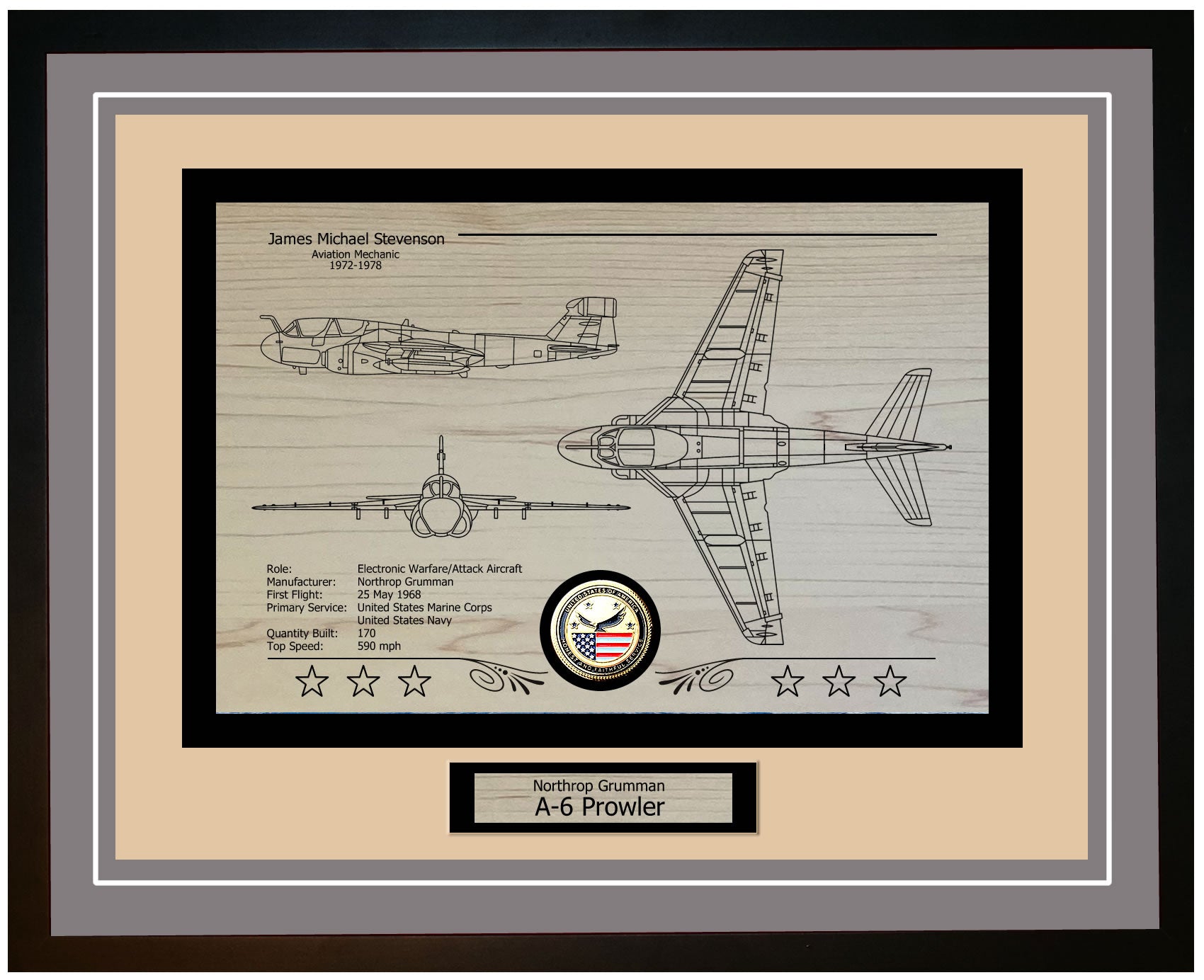
USS Octavia AF-46 Ship Specifications
| Specification | Details |
|---|---|
| Class | Adria Class Stores Ship |
| Commissioned | June 19, 1945 |
| Displacement | 6,240 tons |
| Length | 338 feet |
| Beam | 50 feet |
| Draft | 18 feet |
| Speed | 12 knots |
| Complement | 84 |