
USS Stevenson DD-645
The USS Stevenson (DD-645) was a Gleaves-class destroyer built during World War II. Her keel was laid on July 23, 1942, at the Federal Shipbuilding and Drydock Company in Kearny, New Jersey. She was launched on November 11, 1942, and commissioned into the U.S. Navy on January 15, 1943. This ship was part of a massive effort to expand the Navy's fleet quickly, using the latest technologies and armaments of the time.
Named after John H. Stevenson, a notable naval officer from the Spanish-American War, the ship carried his legacy of leadership and bravery. Stevenson was celebrated for his role in the Battle of Manila Bay, and the ship's name was meant to inspire the crew to uphold similar standards of courage and dedication.
The USS Stevenson was armed with four 5-inch/38 caliber guns, effective for both anti-aircraft and surface combat. She also carried torpedoes, depth charges, and anti-submarine weapons, making her a versatile threat to various enemies. Advanced radar and sonar systems were onboard, enhancing her combat capabilities significantly.
During World War II, the USS Stevenson played a vital role in several key operations. She served in both the Atlantic and Pacific theaters, escorting convoys, engaging enemy submarines, and participating in amphibious assaults. Her service earned her several battle stars, highlighting her significant contributions to the war effort. The ship's performance showcased the effectiveness of the Gleaves-class design, cementing her place in naval history.
The Gleaves-class destroyers, including the USS Stevenson, were known for their speed, maneuverability, and firepower. They were designed to handle various roles, such as anti-submarine warfare, anti-aircraft defense, and surface combat. This versatility made them invaluable to the U.S. Navy during the war. The USS Stevenson, like her sister ships, was a fleet workhorse, ready to adapt to the changing demands of naval warfare.
When the USS Stevenson was commissioned on January 15, 1943, it marked the start of her active service. Her crew, well-trained and prepared, embarked on missions across the globe. The commissioning ceremony was a proud moment, as the ship officially joined the fight against the Axis powers. The USS Stevenson served with distinction, embodying the spirit and resilience of the U.S. Navy during one of its most challenging times.

USS Stevenson DD-645: Structure, Technology, Armament, and Weaponry
The USS Stevenson (DD-645) was a Gleaves-class destroyer, a class celebrated for its robust and versatile design. It measured 348 feet 3 inches in length, with a beam of 36 feet 1 inch and a draft of 11 feet 10 inches. This size made it both agile and durable, perfect for the challenges of the Atlantic and Pacific theaters during World War II. Built with high-tensile steel, the hull struck a balance between strength and weight, crucial for speed and maneuverability. The superstructure was crafted to minimize radar cross-section, a forward-thinking feature that would gain importance in later naval designs.
Technologically, the USS Stevenson was ahead of its time. It was powered by four boilers and two geared steam turbines, producing a combined 50,000 shaft horsepower. This setup allowed the destroyer to reach speeds of up to 37 knots, making it one of the fleet's fastest. Equipped with advanced radar and sonar systems, including the SG surface search radar and the QHB sonar for anti-submarine warfare, the Stevenson could detect and engage enemy vessels and submarines with impressive accuracy and range.
When it came to armament, the USS Stevenson was well-prepared for its multi-mission role. It boasted four 5-inch/38 caliber dual-purpose guns, capable of targeting both surface and air threats. These guns, mounted in single turrets, offered a wide arc of fire and quick response to danger. The ship also had ten 21-inch torpedo tubes in two quintuple mounts, a formidable weapon against larger enemy ships like battleships and aircraft carriers. Depth charge projectors and racks were essential for anti-submarine warfare.
The Stevenson's weaponry was further enhanced by an array of anti-aircraft guns, reflecting the growing threat from enemy aircraft during the war. It carried four 1.1-inch/75 caliber anti-aircraft guns and several 20mm Oerlikon cannons. These smaller, rapid-firing guns were crucial for defense against dive bombers and strafing runs. This mix of heavy and light armament made the USS Stevenson a versatile and formidable opponent, ready to tackle threats from the sea, air, and beneath the waves. Its comprehensive suite of weaponry and technology ensured it could handle a variety of missions, from escorting convoys to engaging in fleet actions and anti-submarine warfare.

Crew Accounts of Time Aboard
The USS Stevenson (DD-645) holds a special place in the hearts of its former crew members, as evidenced by the heartfelt memories shared in its guestbook. These recollections paint a vivid picture of life aboard the ship during its active years, particularly during World War II.
One notable entry comes from Herman Frenzel, who served aboard the USS Stevenson in 1943 as a Chief Signalman (CSM). Frenzel's service on the ship is a focal point of interest, with efforts being made to research his naval career, which began with his enlistment in Los Angeles in 1933. Although specific anecdotes from Frenzel's time on the Stevenson are not detailed in the guestbook, the mention of his role as a CSM suggests he was integral to the ship's communication operations during a critical period of the war.
The guestbook entries collectively underscore the camaraderie and shared experiences of the crew. These sailors faced the challenges of wartime service together, forming bonds that lasted long after they left the ship. The memories shared reflect a deep sense of pride in their service and a lasting connection to the USS Stevenson.
In summary, the guestbook of the USS Stevenson (DD-645) serves as a repository of cherished memories from its crew members. Herman Frenzel's service as a Chief Signalman in 1943 is a notable highlight, with ongoing efforts to uncover more about his naval career. The entries collectively celebrate the enduring legacy of the ship and the men who served aboard her, capturing the essence of their shared journey through one of the most tumultuous times in history.

USS Stevenson DD-645: Upgrades, Mission Capabilities, and Contribution to the Fleet
The USS Stevenson (DD-645) was a Gleaves-class destroyer that saw some exciting changes during its time in service. Commissioned in 1943, it started with a strong lineup of weapons: five 5-inch/38 caliber guns, ten 21-inch torpedo tubes, and a mix of anti-aircraft guns. As the war progressed, the ship got some serious upgrades. In the mid-1940s, it was fitted with new radar and sonar systems, boosting its ability to hunt submarines. This was a big deal during World War II when submarines were a major threat.
The Stevenson didn't just stop at anti-submarine upgrades. Its anti-aircraft defenses got a makeover too. The original 1.1-inch guns were swapped out for more powerful 40mm Bofors and 20mm Oerlikon cannons. These changes were vital, especially with the rise of kamikaze attacks in the Pacific. The ship's fire control systems were also updated, making it better at hitting both air and surface targets. These improvements kept the Stevenson a key player in the fleet, ready to protect bigger ships and hold its own in battle.
Destroyers like the Stevenson were the Swiss Army knives of the Navy. They were built to escort and protect, and the Stevenson was a pro at convoy missions, keeping supply lines safe across the Atlantic and Pacific. Its beefed-up anti-submarine skills made it a nightmare for enemy subs, ensuring Allied ships could sail safely. The Stevenson also took part in shore bombardments, providing fire support during landings. This flexibility made it a go-to ship for all sorts of missions, from direct combat to support roles.
The USS Stevenson made a big impact during World War II. It was part of key operations like the invasions of North Africa, Sicily, and Normandy. In the Pacific, it played roles in major battles like Leyte Gulf and Okinawa. The Stevenson's ability to handle a variety of tasks—from escorting convoys to taking on enemy subs and planes—showed just how valuable destroyers were in the war. By staying ahead of new threats and embracing new tech, the USS Stevenson not only helped win battles but also supported the larger goals of the Allied forces.

USS Stevenson DD-645: Deployments, Role in Major Conflicts, Awards, and Commendations
The USS Stevenson (DD-645) was a remarkable ship with a storied history, especially during World War II. Commissioned in 1943, she quickly found herself in the heart of the action in the Atlantic. Her main job? Escorting convoys across the dangerous North Atlantic. These missions were vital. They ensured troops and supplies reached Europe safely, where the Allies were locked in a tough fight against the Axis. Stevenson's radar and sonar were top-notch, making her a key player in spotting and dealing with the lurking threat of German U-boats.
As the war moved on, Stevenson was sent to the Pacific. There, she showed just how versatile and effective she could be. She took part in major amphibious assaults, like those on the Marshall Islands and the Marianas. During these operations, Stevenson provided essential naval gunfire support, pounding enemy positions to help the landing forces. She also excelled in anti-aircraft defense, shielding larger ships from Japanese kamikaze attacks. The crew's courage and determination were evident, often working under heavy enemy fire.
The Navy didn't overlook Stevenson's contributions. She earned several battle stars for her role in major battles and received the Navy Unit Commendation for her outstanding performance in convoy escort missions. The crew was also recognized with individual awards, like the Bronze Star and Navy Cross, for their bravery and exceptional service. These honors highlighted the ship's significant impact on the war and her lasting legacy in naval history.
After the war, Stevenson continued to serve during the early Cold War years. She took part in peacetime operations, including training exercises and goodwill visits to allied countries. But her wartime service was the highlight of her career. Decommissioned in 1946, Stevenson was eventually removed from the Naval Vessel Register. Yet, her legacy lives on through the stories of her missions, the bravery of her crew, and the many awards she received. Stevenson stands as a testament to the courage and dedication of those who served on her and symbolizes the broader sacrifices made by the US Navy during one of history's most challenging times.
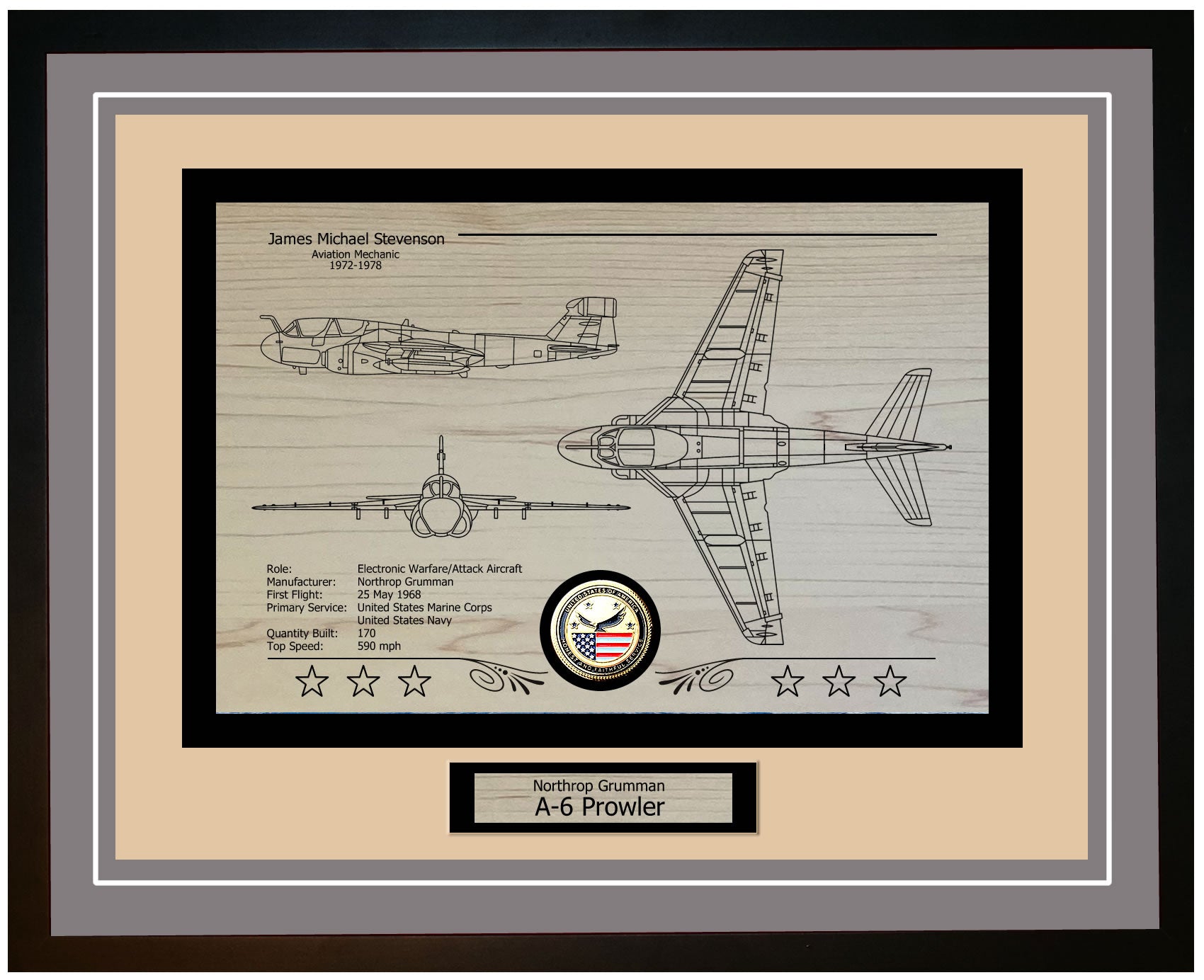
USS Stevenson DD-645 Ship Specifications
| Specification | Details |
|---|---|
| Class | Gleaves Class Destroyer |
| Commissioned | December 15, 1942 |
| Displacement | 2,395 tons |
| Length | 348.3 feet |
| Beam | 36 feet |
| Draft | 13.1 feet |
| Speed | 35 knots |
| Complement | 16 Officers 260 Enlisted |