
USS Tate AKA-70
The USS Tate (AKA-70) was a Tolland-class attack cargo ship built during World War II. She was laid down on July 19, 1944, at the North Carolina Shipbuilding Company in Wilmington, North Carolina. Launched on September 28, 1944, she joined the United States Navy on November 19, 1944. The USS Tate was part of a larger effort to enhance the Navy's amphibious capabilities, crucial for the island-hopping campaigns in the Pacific. Built for durability and versatility, she could transport troops, equipment, and supplies directly onto hostile shores.
Named after Tate County, Mississippi, the ship followed the Navy tradition of naming attack cargo ships after U.S. counties. This naming convention aimed to foster pride and connection between the Navy and the American public. Tate County was named in honor of Thomas Simpson Tate, a notable figure in Mississippi's early history. The USS Tate carried this legacy, symbolizing the strength and resilience of the American heartland.
The USS Tate boasted robust cargo-handling equipment, including booms and winches for heavy loads. She had several large holds for carrying various cargo, from vehicles and artillery to ammunition and medical supplies. Armed with anti-aircraft guns, she was ready to defend against enemy aircraft, a necessity given the threat of Japanese kamikaze attacks during the war's later stages. Her design emphasized both offensive and defensive capabilities, making her a formidable asset in amphibious operations.
The USS Tate's legacy in the US Navy is marked by her contributions to key operations during World War II. She played a vital role in the invasion of Okinawa, one of the largest and bloodiest battles in the Pacific. By efficiently transporting and deploying troops and equipment, the USS Tate helped secure a critical foothold for Allied forces. Her performance in these operations demonstrated the effectiveness of the Tolland-class design and underscored the importance of attack cargo ships in modern naval warfare.
As part of the Tolland-class, the USS Tate was designed for amphibious warfare, supporting the rapid deployment of troops and equipment during assaults. These ships were characterized by their large cargo capacity, advanced cargo-handling gear, and ability to operate near enemy shores. Their primary purpose was to ensure ground forces had the necessary supplies and reinforcements for prolonged engagements.
Commissioned on November 19, 1944, the USS Tate quickly became an integral part of the US Navy's amphibious forces. Her commissioning marked the start of active service, participating in significant World War II battles. The crew underwent rigorous training to prepare for complex and dangerous operations. This preparation paid off as the ship proved her worth in multiple engagements, earning a commendable service record. The commissioning of the USS Tate was a testament to the Navy's commitment to maintaining a versatile and powerful fleet capable of meeting diverse wartime challenges.

USS Tate AKA-70: Structure, Technology, Armament, and Weaponry
The USS Tate (AKA-70) was a Tolland-class attack cargo ship, known for its sturdy and versatile design. It measured 459 feet long, with a beam of 63 feet and a draft of 26 feet. This allowed it to navigate various maritime environments. Built with a steel hull, it was tough enough to handle the challenges of wartime. The ship's superstructure was crafted to maximize cargo space while keeping a low profile, reducing its visibility to enemy forces. With multiple cargo holds and booms, the USS Tate could efficiently load and unload supplies, vehicles, and troops, which was crucial for amphibious assaults.
The USS Tate was equipped with advanced navigation and communication systems for its time. It featured radar and sonar equipment, essential for spotting enemy vessels and submarines. Communication systems included both radio and signal lamps, ensuring reliable contact with other ships and shore installations. Its propulsion system consisted of a single General Electric geared turbine, powered by two Babcock & Wilcox boilers, allowing the ship to reach speeds of up to 16.5 knots. This blend of technology and engineering made the USS Tate a valuable asset in the U.S. Navy's fleet.
In terms of armament, the USS Tate was well-prepared to defend itself and support offensive operations. It was armed with one 5-inch/38 caliber dual-purpose gun, capable of engaging both surface and air targets. Additionally, it featured four twin 40mm Bofors anti-aircraft guns and ten 20mm Oerlikon cannons, providing strong anti-aircraft defense. These weapons were strategically placed around the ship to offer 360-degree coverage, ensuring the USS Tate could effectively counter enemy aircraft and small surface threats. This combination of armaments made the ship a formidable opponent in any engagement.
The ship's weaponry was complemented by its ability to carry and deploy landing craft, essential for amphibious operations. It could carry several LCVPs (Landing Craft, Vehicle, Personnel) and LCMs (Landing Craft, Mechanized), used to transport troops, vehicles, and equipment from the ship to the shore. These landing craft were launched using the ship's davits and booms, allowing for rapid deployment during amphibious assaults. The USS Tate's ability to deliver troops and supplies directly to the battlefield, combined with its defensive and offensive capabilities, made it a critical component of the U.S. Navy's amphibious warfare strategy during World War II.


USS Tate AKA-70: Upgrades, Mission Capabilities, and Contribution to the Fleet
The USS Tate (AKA-70) was a remarkable ship that served the U.S. Navy with distinction. Commissioned in 1944, it was built for amphibious assault missions, equipped with cutting-edge cargo handling gear and landing craft for its time. Over the years, the Tate received upgrades like improved radar and communication systems, which kept it relevant and ready for the challenges of modern naval warfare.
The Tate was versatile, designed primarily as an attack cargo ship. It transported troops, equipment, and supplies to various battlefronts. Its sturdy build allowed it to carry everything from vehicles and heavy machinery to ammunition and medical supplies. The ship's landing craft enabled quick deployment of personnel and materials onto hostile shores, making it a key player in amphibious assaults.
During World War II, the USS Tate was crucial in several major campaigns, including Iwo Jima and Okinawa. It delivered vital supplies and reinforcements under fire, contributing significantly to the success of these operations. After the war, the Tate took part in occupation duties in Japan and supported reconstruction efforts, proving its worth in both wartime and peacetime.
The legacy of the USS Tate (AKA-70) is a testament to its enduring value. Its upgrades kept it at the forefront of naval technology, and its mission capabilities highlighted its strategic importance. The ship's contributions during critical wartime operations underscored its role as a cornerstone in the Navy's amphibious assault capabilities. The Tate not only achieved its operational goals but also left a lasting mark on naval history, showcasing the resilience and versatility of the U.S. Navy's amphibious forces.

USS Tate AKA-70: Deployments, Role in Major Conflicts, Awards, and Commendations
The USS Tate (AKA-70) was a key player in World War II, making a big impact in several operations. Commissioned in 1944, this ship was all about getting troops, equipment, and supplies where they needed to be. One of its standout moments was during the invasion of Okinawa, a crucial battle in the Pacific. The Tate's crew was top-notch at unloading cargo quickly, even under fire, which was vital for the Allies as they worked to secure the island. Okinawa was a stepping stone for future operations aimed at Japan itself.
But Okinawa wasn't the only place the Tate made waves. It also took part in the Philippines campaign, helping to free the islands from Japanese control. This ship was versatile and reliable, and its crew showed incredible skill and courage, often facing enemy fire and kamikaze attacks. They made sure that essential supplies and reinforcements got to the front lines, giving the Allies a much-needed boost in the Pacific.
The USS Tate's efforts didn't go unnoticed. It earned several awards for its service in World War II, including the Asiatic-Pacific Campaign Medal with two battle stars, highlighting its role in major combat operations. The ship also received the World War II Victory Medal, recognizing its contribution to the Allies' success. These honors speak volumes about the dedication and sacrifice of the Tate's crew, who were crucial in securing victory in the Pacific.
After the war, the USS Tate continued to serve until it was decommissioned in 1946. But its legacy lives on through the awards it received and the significant role it played in some of World War II's biggest battles. The Tate's story is a powerful reminder of how important logistics are in military operations and the bravery of those who serve in these vital roles. Its contributions to the war effort showcase the determination and resilience of the United States Navy during one of the toughest times in modern history.
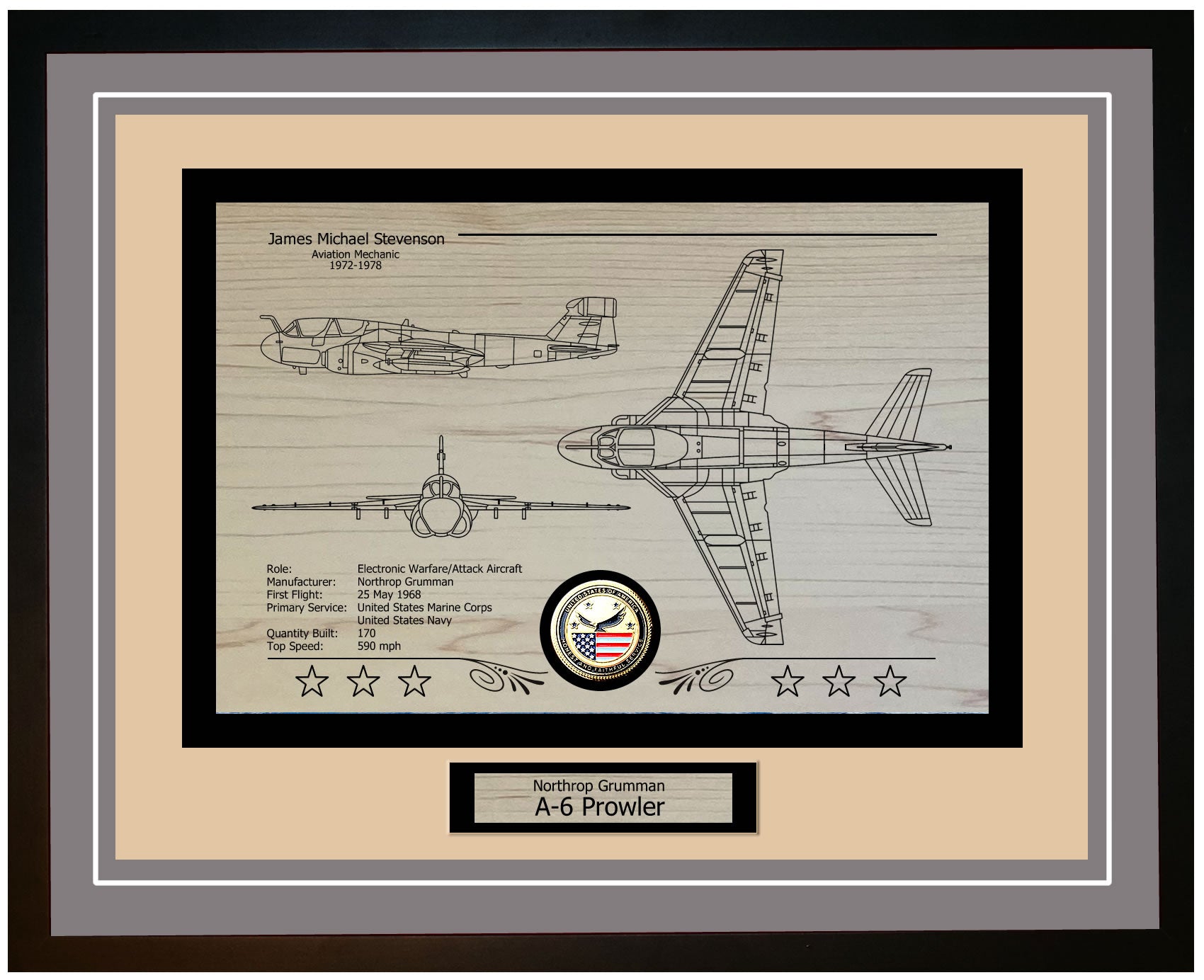
USS Tate AKA-70 Ship Specifications
| Specification | Details |
|---|---|
| Class | Tolland Class Attack Cargo Ship |
| Commissioned | November 25, 1944 |
| Displacement | 14,160 tons |
| Length | 459.2 feet |
| Beam | 63 feet |
| Draft | 26.4 feet |
| Speed | 16.5 knots |
| Complement | 425 |