
USS Vermilion AKA-107
The USS Vermilion (AKA-107) was a Tolland-class attack cargo ship built for the U.S. Navy during World War II. It was laid down on October 17, 1944, at the North Carolina Shipbuilding Company in Wilmington, North Carolina. The ship launched on December 23, 1944, and was commissioned on January 23, 1945, with Captain Frank S. Mellen in command. This ship was part of a larger effort to enhance the Navy's amphibious capabilities, crucial for the Pacific island-hopping campaigns.
Named after Vermilion Parish in Louisiana, the ship honored a region rich in cultural heritage. Naming ships after counties and parishes was a way to celebrate the diverse locales across the U.S. Vermilion Parish, with its mix of French, Spanish, and American influences, was a fitting namesake for a vessel serving in various theaters, reflecting America's melting pot nature.
The USS Vermilion had robust cargo-handling equipment and spacious holds, designed to transport troops, heavy equipment, and supplies for amphibious assaults. Equipped with booms and winches for heavy loads, it was vital for landing operations. The ship also had anti-aircraft guns to protect against enemy aircraft, ensuring the safety of its cargo and crew.
The legacy of the USS Vermilion is marked by its versatility and reliability. It participated in numerous operations, including the occupation of Japan and post-war activities in the Pacific. The ship's ability to adapt to different roles, from transporting troops and equipment to serving as a training ship, showcased the flexibility of the Navy's amphibious forces. Its service record highlights the importance of attack cargo ships in achieving strategic objectives during and after World War II.
As a Tolland-class attack cargo ship, the USS Vermilion was designed for amphibious warfare. These ships carried and deployed landing craft, vehicles, and troops directly onto hostile shores. The Tolland-class ships evolved from earlier designs, incorporating lessons from previous operations. Their purpose was to support large-scale invasions by delivering essential supplies and reinforcements efficiently, sustaining the momentum of assault forces.
The commissioning of the USS Vermilion marked the start of its active service. After commissioning, the ship underwent a shakedown cruise to test its systems and train its crew. Once ready, the USS Vermilion was deployed to the Pacific Theater, playing a crucial role in the final stages of World War II and the occupation of Japan. Its commissioning and service underscore the critical role of attack cargo ships in the Navy's amphibious operations, providing the logistical backbone for successful military campaigns.

USS Vermilion AKA-107: Structure, Technology, Armament, and Weaponry
The USS Vermilion (AKA-107) was a Tolland-class attack cargo ship, known for its sturdy and adaptable design. It measured 459 feet long, with a beam of 63 feet and a draft of 26 feet, making it versatile for different maritime environments. Built with a steel hull, it was tough enough to handle the challenges of naval operations. Its superstructure was crafted to maximize cargo space while keeping a low profile to stay less visible to enemies. With multiple cargo holds and booms, it could efficiently load, transport, and unload troops, vehicles, and supplies crucial for amphibious assaults.
The USS Vermilion was equipped with cutting-edge navigation and communication systems for its era. It had radar and sonar systems that improved its ability to detect and track threats on the surface and underwater. The communication suite included high-frequency radios and signal lamps, ensuring it could reliably connect with other ships and command units. Its propulsion system featured a single General Electric geared turbine, powered by two Babcock & Wilcox boilers, allowing it to reach speeds of up to 16.5 knots. This blend of advanced tech and solid engineering made the USS Vermilion a powerful asset in the U.S. Navy's amphibious fleet.
When it came to armament, the USS Vermilion was well-prepared to defend itself and support offensive operations. It had one 5-inch/38 caliber dual-purpose gun, capable of engaging both surface and aerial targets. Additionally, it was armed with four twin 40mm Bofors anti-aircraft guns and ten 20mm Oerlikon cannons, providing strong defense against enemy aircraft and small craft. These weapons were strategically placed around the ship for 360-degree coverage, ensuring it could effectively counter threats from any direction. This mix of heavy and light armament made the ship a versatile platform for both defense and offense.
The ship's weaponry was complemented by its ability to deploy landing craft and amphibious vehicles, crucial for beach landings and other amphibious operations. It carried several LCVPs (Landing Craft, Vehicle, Personnel) and LCMs (Landing Craft, Mechanized), launched from davits and well decks. These landing craft were essential for moving troops and equipment from the ship to shore, often under hostile conditions. The USS Vermilion's ability to quickly deploy these assets made it a key player in amphibious assault missions, giving the U.S. Navy the power to project force and establish beachheads in contested areas.

Crew Accounts of Time Aboard
The USS Vermilion (AKA-107) holds a special place in the hearts of its former crew members, as evidenced by the memories shared in its guestbook. These recollections span from the ship's early days during World War II to its later years in the 1960s, painting a vivid picture of life aboard this attack cargo ship.
Tom Clark, who served as an Ensign in 1963, fondly recalls the great experience he had on the USS Vermilion. He remembers the commanding officer (CO) and executive officer (XO) well, and a Marine cargo officer who played the banjo. Clark's naval career continued until 1967, after which he transitioned to the reserves and eventually retired as a commander. He now resides in Wetumpka, Alabama.
Jerome Deranek, a Radioman Third Class (RM3) in 1962, transferred to the Vermilion from the USS Wyandot (AKA-92). He participated in a Caribbean cruise and was nearly deployed to the Mediterranean before being discharged in May 1963, just before the Vermilion set sail again.
Bob Disalvo, who served as a Storekeeper Third Class (SK3) in 1966, reminisces about the extensive voyages the ship undertook during his tenure. These included trips from Norfolk through the Panama Canal to Hawaii and then to Okinawa.
Andrew Dussault, a Damage Controlman Second Class (DC2) in 1959, was transferred to the USS Plymouth Rock (LSD-29) before the Vermilion's 1960 Mediterranean cruise. He notes the differences between the two ships, particularly the location of the carpenter shop, and wonders about a fellow crew member, John Rich.
James Flynn, who served as a Seaman First Class in 1944, is remembered posthumously by his family. Flynn, known as Benny, passed away in 2017 at the age of 90. He was awarded the Asiatic Pacific Medal, American Theatre Medal, and Victory Medal for his service.
Dan Hartwick, a Radioman Third Class (RM3) in 1961, is searching for former shipmates Doug Titus, Charlie Roberts from the OC Division, and Patrick Donohue, an Electronics Technician (ET).
John Lawrence, who served as a Storekeeper Second Class (SK-2) in 1960, is looking to reconnect with Dave Wilson and Walt Poleckous. He retired after 35 years with the Erie, Pennsylvania Fire Department and is proud of his service during the Cuban Missile Crisis.
Robert McLaughlin, a Storekeeper Second Class (SK2) in 1962, recalls serving with John Lawrence, a Wilson from Rockford, Illinois, Sam Tyree (SK1), Ensign Pleasents, Chief Wier, and a ship serviceman named Spruence.
Harald Nome, a Machinist's Mate Third Class (MM3C) in 1945, was part of the pre-conditioning detail when the ship was being completed at Todd Shipyards in Brooklyn. He recalls spending time in Newport training other crews before the war ended. The captain at the time was Fremont Eggers, USN.
Hank Owen, a Boiler Technician Third Class (BT3) in 1968, joined the Vermilion after serving on the USS Uvalde, which was scrapped that year. Although his time on the Vermilion was brief—only four months—he cherishes the friendships he made.
James Phillips, an Electrician's Mate Third Class (EMP3) in 1945-1946, is remembered by his family, who are seeking information and pictures from his time aboard the ship.
Dennis Wetmore, a Yeoman Second Class (YN2) in 1964, sends greetings to LCDR Christmas, who was the Engineer during his tour. He also recalls Capt. R. D. McWethy as the commanding officer at the time. Wetmore, now retired as a Senior Chief Yeoman (YNCS(SS)), extends his best wishes.
These shared memories highlight the camaraderie, diverse experiences, and lasting bonds formed aboard the USS Vermilion (AKA-107). Each story contributes to the rich tapestry of the ship's history, reflecting the dedication and spirit of its crew members.

USS Vermilion AKA-107: Upgrades, Mission Capabilities, and Contribution to the Fleet
The USS Vermilion (AKA-107) had quite a journey during its time with the U.S. Navy. Commissioned in 1945, it was packed with the latest amphibious assault gear of its era. We're talking about top-notch cargo handling equipment and landing craft. Over the years, the Vermilion got some serious upgrades. It received better radar systems, new communication tools, and more efficient engines. These changes kept it a key player in the fleet, ready to tackle the ever-changing demands of naval warfare and logistics.
As an attack cargo ship, the Vermilion was built for versatility and toughness. It could transport troops, heavy gear, and supplies straight to the front lines, even in hostile conditions. Its design made loading and unloading a breeze, which was a game-changer for amphibious operations. The ship also had landing craft that could quickly get people and materials to shore. This was crucial during amphibious assaults, where every second counted.
The Vermilion made a big impact during its service. It took part in many exercises and operations that honed amphibious warfare tactics. The ship was vital in post-World War II efforts, including the Korean War, where it supported UN forces with essential supplies and reinforcements. Whether in the icy North Atlantic or the warm Pacific, the Vermilion proved its adaptability and reliability. It was a logistical powerhouse for the fleet, showing up wherever it was needed.
But it wasn't all about combat. The Vermilion also played a role in humanitarian missions and peacetime operations. It helped with disaster relief, providing aid to areas hit by natural disasters. This dual role in combat and humanitarian efforts showcased the ship's versatility and strategic value to the Navy. The legacy of the USS Vermilion highlights the importance of adaptable, well-equipped support ships in keeping the Navy ready and superior across various missions.

USS Vermilion AKA-107: Deployments, Role in Major Conflicts, Awards, and Commendations
USS Vermilion (AKA-107) was a remarkable ship with a rich history. She was commissioned in 1945, just as World War II was winding down. Though she didn't see combat, Vermilion was crucial in post-war efforts, like the occupation of Japan and bringing home Allied POWs. Her early missions set the tone for a career full of adaptability and readiness, as she met the changing needs of the Navy in the years that followed.
When the Korean War broke out, Vermilion was reactivated and recommissioned in 1950. The Navy needed her amphibious transport skills urgently. She took part in key operations, including the famous Inchon Landing, a pivotal moment in the war. Vermilion's ability to deliver troops and supplies right to the shore under fire was vital. Her role in the Korean War was significant, providing crucial support for amphibious assaults and logistics, helping the United Nations' efforts in Korea.
After the Korean War, Vermilion continued to serve with distinction during the Cold War. She was involved in many training exercises and readiness operations, keeping the Navy's amphibious warfare skills sharp. During the Cuban Missile Crisis in 1962, Vermilion was part of the Atlantic Fleet's amphibious forces, contributing to the U.S.'s strategic stance during this tense time. Her deployments highlighted her flexibility and the ongoing importance of amphibious ships in projecting American power worldwide.
Throughout her service, USS Vermilion earned several awards and commendations, showcasing her outstanding performance and the dedication of her crew. She received the Navy Occupation Service Medal for her post-WWII operations, the Korean Service Medal with multiple battle stars for her Korean War contributions, and the National Defense Service Medal for her Cold War role. These honors are a testament to Vermilion's lasting legacy and the crucial part she played in some of the most important military events of the mid-20th century. Her storied career is a reminder of the vital role amphibious transport ships play in the Navy's strategy.
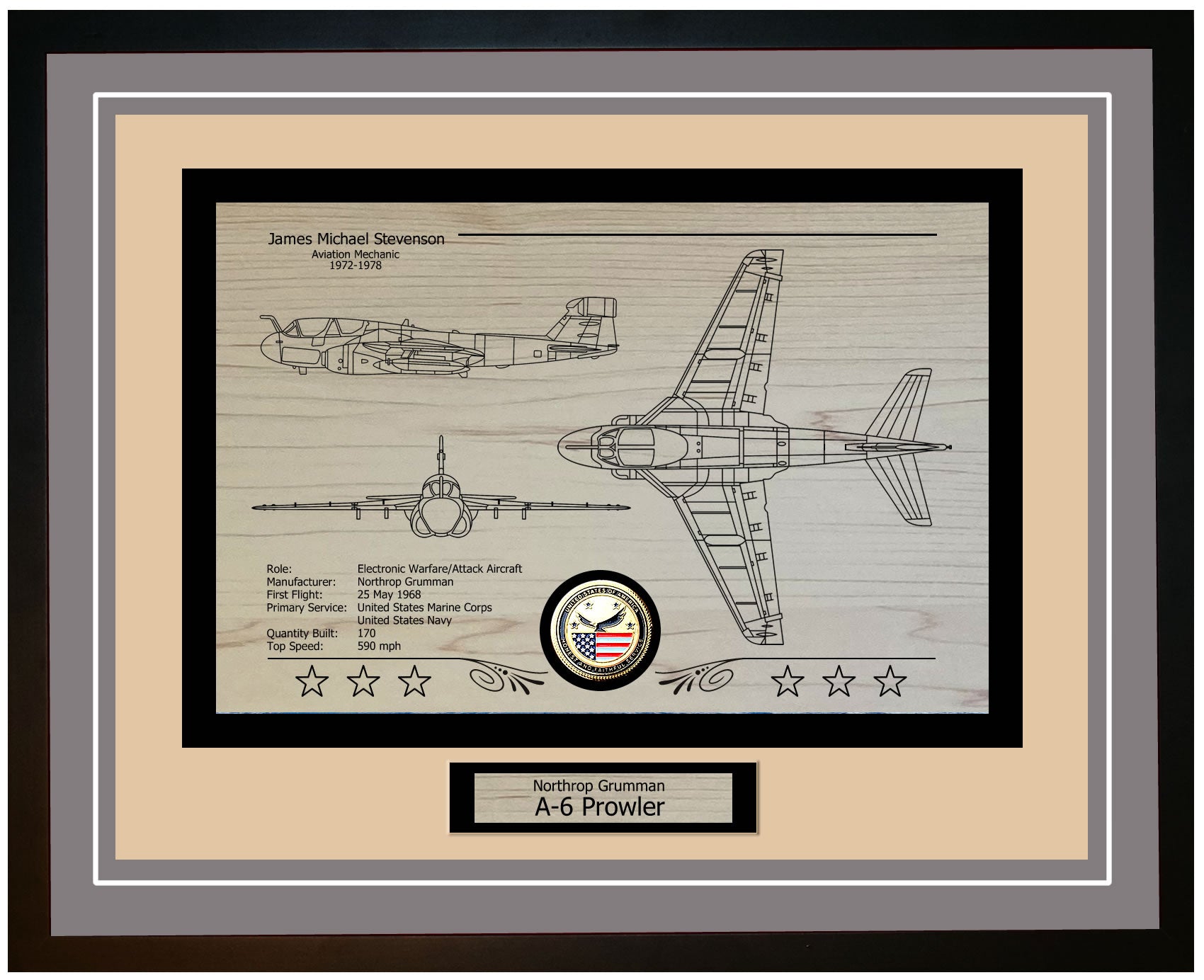
USS Vermilion AKA-107 Ship Specifications
| Specification | Details |
|---|---|
| Class | Tolland Class Attack Cargo Ship |
| Commissioned | June 23, 1945 |
| Displacement | 14,160 tons |
| Length | 459.2 feet |
| Beam | 63 feet |
| Draft | 26.4 feet |
| Speed | 16.5 knots |
| Complement | 425 |