
USS Wiltsie DD-716
The USS Wiltsie (DD-716) was a Gearing-class destroyer built for the United States Navy in the mid-20th century. Her keel was laid down on May 13, 1945, at the Federal Shipbuilding and Drydock Company in Kearny, New Jersey. She was launched on November 18, 1945, and officially commissioned on January 12, 1946. The Wiltsie was part of a post-World War II effort to strengthen the US Navy's fleet, ensuring a strong naval presence during the early Cold War years.
Named after First Lieutenant Irving D. Wiltsie, a Marine Corps officer awarded the Navy Cross posthumously for his heroism at the Battle of Tarawa, the ship honored his bravery and leadership. Lt. Wiltsie's actions were pivotal in the mission's success, and naming the destroyer after him was a tribute to his sacrifice and the valor of service members during the war.
The USS Wiltsie boasted advanced radar and sonar systems for her time. She was armed with six 5-inch/38 caliber guns, twelve 40 mm anti-aircraft guns, and eleven 20 mm anti-aircraft guns, giving her significant firepower. Her sleek, streamlined hull allowed for speed and agility, making her effective in various operations, from anti-submarine warfare to surface combat.
Wiltsie's legacy in the US Navy is marked by her active service in key conflicts like the Korean War and the Vietnam War. She played crucial roles in naval gunfire support, anti-submarine patrols, and escort missions. Her participation showcased the versatility and resilience of Gearing-class destroyers, cementing their status as fleet workhorses. The USS Wiltsie's service record is a testament to her durability and the skill of her crew, contributing to the broader narrative of US naval power in the mid-20th century.
As part of the Gearing-class, the Wiltsie was designed to be larger and more heavily armed than the preceding Allen M. Sumner-class. The Gearing-class aimed to enhance anti-aircraft and anti-submarine capabilities, addressing the evolving threats of the post-World War II era. These ships were versatile, operating in roles from convoy escort to fleet screening, and their design incorporated wartime lessons, making them effective in multi-threat environments.
Commissioned on January 12, 1946, the USS Wiltsie quickly became a vital part of the US Navy's operational fleet. Her commissioning marked the start of decades of active service across multiple theaters. Throughout her service life, the Wiltsie underwent several modernizations to keep up with technological advancements and changing naval strategies. These updates ensured she remained a valuable asset to the Navy, capable of meeting the demands of modern naval warfare.

USS Wiltsie DD-716: Structure, Technology, Armament, and Weaponry
The USS Wiltsie (DD-716) was a Gearing-class destroyer, a class celebrated for its sturdy design and adaptability. Launched in 1945, this ship stretched 390 feet long with a 40-foot beam, making it a solid platform for various naval missions. Built with high-tensile steel, it was tough enough to handle the harsh realities of combat. Its superstructure was crafted to house advanced radar and communication systems, vital for both offensive and defensive roles. The ship's layout allowed the crew to move efficiently and access critical areas quickly, boosting its operational effectiveness.
Technologically, the USS Wiltsie was ahead of its time. It boasted the AN/SPS-6 air search radar and the AN/SPS-10 surface search radar, offering comprehensive situational awareness. These radars worked alongside the Mark 37 Gun Fire Control System, which greatly enhanced the accuracy of its main battery. The destroyer also had advanced sonar capabilities, including the QHB sonar system, crucial for anti-submarine warfare. These tech advancements made the USS Wiltsie a formidable opponent in both surface and sub-surface battles.
When it came to armament, the USS Wiltsie was well-equipped for its multi-role duties. Its primary weapons were six 5-inch/38 caliber dual-purpose guns, mounted in three twin turrets. These guns could target both surface and air threats, offering versatile offensive and defensive power. The ship also carried twelve 40mm Bofors anti-aircraft guns and eleven 20mm Oerlikon cannons, providing strong defense against enemy aircraft. This mix of weapons allowed the USS Wiltsie to protect itself and its task force from aerial threats effectively.
The ship's arsenal included advanced anti-submarine warfare (ASW) capabilities. It was fitted with two depth charge tracks and six K-gun depth charge projectors, used to deploy explosive charges against submerged submarines. Additionally, the ship featured a Hedgehog anti-submarine mortar, a forward-throwing weapon that launched a pattern of explosive projectiles to increase the chances of hitting an enemy submarine. These ASW systems, combined with the ship's sonar capabilities, made the USS Wiltsie a potent adversary against underwater threats, ensuring the safety of its fleet in contested waters.

Crew Accounts of Time Aboard
The USS Wiltsie (DD-716) guestbook posts provide a rich tapestry of memories from various crewmembers who served on the ship over the decades. These recollections span from the ship's early days post-World War II to its involvement in the Vietnam War and beyond. The memories shared by the crew highlight the camaraderie, adventures, and significant events that marked their time aboard the Wiltsie.
Early Years and Korean War: Herbert Hodge, who served in 1946 as a YN2, recalls his time as a Yeoman to the Destroyer Squadron Commander and expresses a desire to reconnect with former shipmates. John Leahy, who joined the Wiltsie in 1948 after a collision at sea with the USS Hamner, and Ray Shaw, who served briefly in 1949, also share their early experiences. William Mills, who served during the Korean War, proudly remembers the ship's reputation under Captain Clark as "The Grey Ghost" and "Communist Public Enemy No. 1" for the havoc they caused, earning eight out of nine possible awards.
1950s and Early 1960s: Ross Harrell, who served in 1952, enjoyed his time on the ship and mentions the development of a reunion association. George Kemple, who served in 1955, fondly recalls three WestPac cruises, including visits to Australia. Charlie Vegas and Robert Pittman, who served in 1959, reminisce about their experiences and the various countries they visited. The early 1960s saw sailors like LeRoy Leis, Wade Moore, and Wells Edward enjoying their time during overhauls and WestPac tours, with Edward seeking to reconnect with Vietnam War-era shipmates.
Vietnam War Era: The Vietnam War era brought intense experiences and strong bonds among the crew. David Evans, who served in 1968, recalls two WestPac cruises and the ship's 25th anniversary. Russell Spalti, who served in 1967, mentions his career in the USMC and the memorable "Crossing the Line" ceremony. Robert O'Donnell, who served with COMDESRON SEVEN, praises the ship's captain and the crew's pride in their accomplishments. Other crew members like Joe Hatty, Dave Hobbs, and Louis Vasquez share their transformative experiences and the lifelong friendships they formed.
1970s and Beyond: The 1970s saw the Wiltsie continue its operations with a dedicated crew. David Acuna, who served in 1970, describes his time as a great adventure that fueled his wanderlust. Terry Barnes, who served in 1972, remembers the incredible gun gang and the awesome crew. Ronnie Dunkin seeks proof of the ship's docking in Da Nang in 1972, while Cliff Doak recalls the radar gang's camaraderie during the WestPac tour of 1972-73. James V Jones, who served in 1974, highlights the ship's active operations as a Reserve DD and the excellent liberty experiences.
Personal Reflections and Reunions: Many crewmembers express a desire to reconnect with old friends and shipmates. Manuel Lopez, who retired in Dallas, seeks to hear from specific individuals, while Thomas Bertone and Bill Greer look for former shipmates. The sense of community and shared history is evident in the posts, with several mentions of reunions and ongoing efforts to maintain connections. Ted Laurila announces a 2012 reunion in San Diego, and Chuck Behrens provides information about a 2009 reunion in Seattle.
Impact on Lives and Careers: The experiences aboard the Wiltsie had a lasting impact on the lives and careers of its crew. Paul List credits his time in the fire control group for launching his 50-year career as a physicist. Geoffrey Kern recalls the day he was awarded the Combat Action Ribbon after being transferred from the USS Saratoga to the Wiltsie under fire. Steven Turner, who served until the ship's decommissioning in 1976, fondly remembers the good times and friends he made.
In summary, the memories shared by the USS Wiltsie (DD-716) crewmembers paint a vivid picture of life aboard the ship. From the early post-war years through the Korean and Vietnam Wars to the ship's final days, the Wiltsie served as a backdrop for adventure, camaraderie, and personal growth. The crewmembers' reflections highlight the enduring bonds formed and the significant impact their service had on their lives.

USS Wiltsie DD-716: Upgrades, Mission Capabilities, and Contribution to the Fleet
The USS Wiltsie (DD-716) was a Gearing-class destroyer that saw a lot of action and upgrades during its time with the U.S. Navy. Commissioned in 1946, it was built for anti-submarine warfare (ASW) and surface combat. In the 1960s, the Wiltsie got a major facelift under the Fleet Rehabilitation and Modernization (FRAM) program. This upgrade added advanced sonar, better radar, and the ASROC (Anti-Submarine Rocket) launcher, boosting its ASW capabilities. The ship also swapped out its older anti-aircraft guns for more effective ones, making it tougher against air attacks.
But it wasn't just about weapons. The Wiltsie also got new boilers and turbines, which made it faster and gave it a longer range. This meant it could get to trouble spots quicker. It also got electronic countermeasures (ECM) to mess with enemy radar and communications, a big deal during the Cold War. These upgrades kept the Wiltsie versatile and ready for anything.
The Wiltsie was a jack-of-all-trades. While it started with ASW and surface combat, it soon took on anti-aircraft warfare (AAW) and shore bombardment. During the Korean War, it provided gunfire support and patrolled blockades. In the Vietnam War, it was part of Operation Sea Dragon, hitting North Vietnamese supply routes. These missions showed how adaptable the Wiltsie was, always ready to meet new challenges.
The Wiltsie played a big role in key operations during the Korean and Vietnam Wars, proving its strategic worth. Its advanced ASW capabilities were crucial in countering submarine threats, especially in the Pacific and Atlantic. The ship also took part in NATO exercises and joint operations with allies, strengthening international maritime security. Thanks to continuous upgrades, the Wiltsie stayed a vital part of the Navy until it was decommissioned in 1976. Its legacy is a reminder of how important technology and adaptability are in keeping naval forces strong.

USS Wiltsie DD-716: Deployments, Role in Major Conflicts, Awards, and Commendations
The USS Wiltsie (DD-716) had a remarkable service record, marked by numerous deployments and active participation in major conflicts. Commissioned in 1946, this Gearing-class destroyer first set sail to the Western Pacific, playing a key role in post-World War II operations. During the Korean War, Wiltsie was right in the thick of things, providing naval gunfire support, engaging in anti-submarine warfare, and performing escort duties. Its presence in the Sea of Japan and the Yellow Sea was crucial in supporting United Nations forces, showcasing the ship's versatility and combat readiness.
In the Vietnam War, the USS Wiltsie once again proved its mettle. Deployed to the waters off Vietnam, the destroyer took on various missions, including naval gunfire support for ground troops, search and rescue operations, and patrolling the coastline to enforce maritime interdiction. The ship's ability to adapt to different combat scenarios made it a valuable asset in the U.S. Navy's efforts to maintain control over the region's waterways and support allied forces on the ground. Wiltsie's contributions during this period were vital in executing the Navy's broader strategic objectives in Southeast Asia.
Throughout its service life, the USS Wiltsie earned numerous awards and commendations, reflecting its exceptional performance and dedication. The ship received several battle stars for its service in both the Korean and Vietnam Wars, recognizing its participation in key operations and engagements. Additionally, Wiltsie was awarded the Navy Unit Commendation for its outstanding performance during specific missions, highlighting the crew's professionalism and bravery under challenging conditions. These accolades underscored the ship's significant role in the U.S. Navy's operational history and its enduring legacy.
The USS Wiltsie's storied career came to an end when it was decommissioned in 1976, but its legacy lives on through the commendations and battle stars it earned. The ship's deployments and active participation in major conflicts exemplify the dedication and resilience of its crew, who served with distinction across multiple theaters of operation. Wiltsie's contributions to naval warfare and its decorated service record continue to be remembered as a testament to the ship's enduring impact on U.S. naval history.
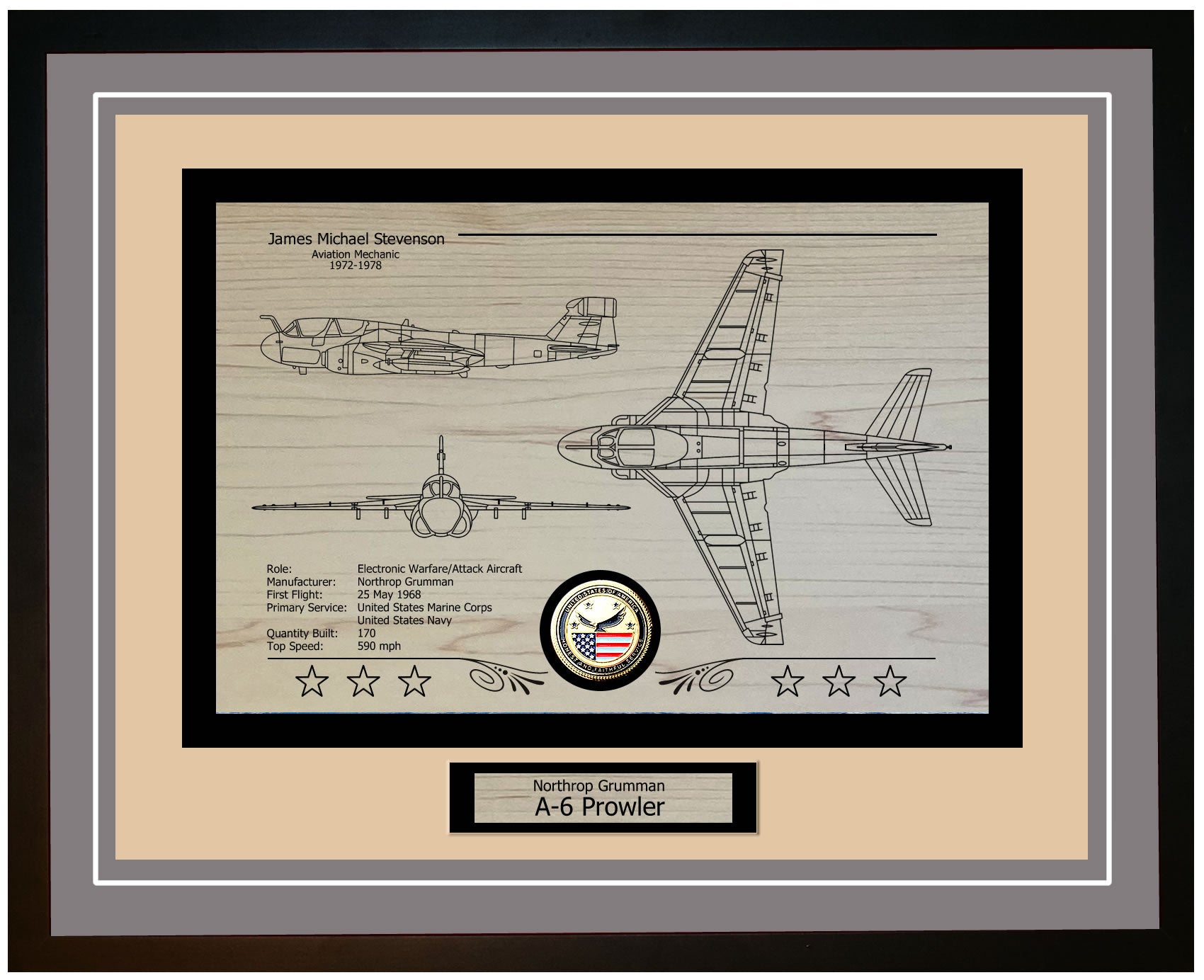
USS Wiltsie DD-716 Ship Specifications
| Specification | Details |
|---|---|
| Class | Gearing Class Destroyer |
| Commissioned | January 12, 1946 |
| Displacement | 3,460 tons |
| Length | 391 feet |
| Beam | 41 feet |
| Draft | 14.3 feet |
| Speed | 37 knots |
| Complement | 11 Officers 325 Enlisted |